Genres
Artists
Albums
Make Music
Sign in
Sign in
Artists
Dark Progressive House
Artists
Dark Progressive House
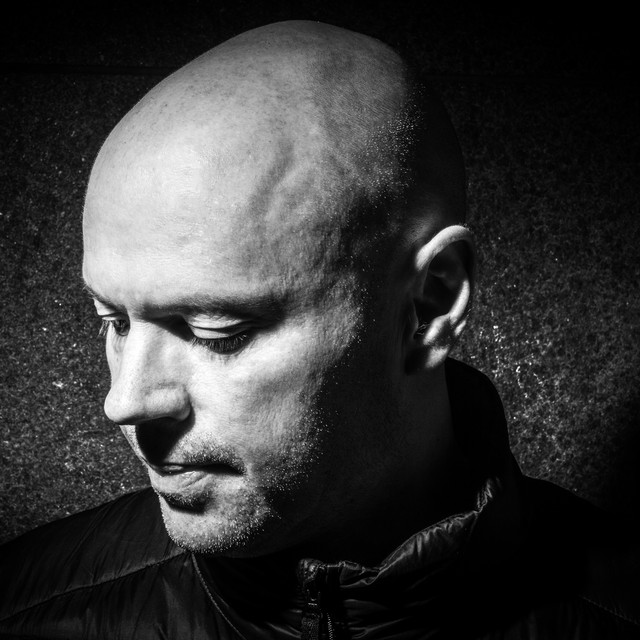
Chris Drifter
2017
·
1 album
Listen
1
/5
Genres
Dark Progressive House
Dark progressive house is a moody, hypnotic branch of progressive house that emphasizes minor-key harmony, cinematic atmosphere, and slow-burning tension. It favors long-form arrangements, subtle development, and textured sound design over obvious "drops." Typical tempos sit around 120–126 BPM. The grooves are deep and rolling, the basslines are multi-layered and evolving, and the percussion is detailed yet restrained. Pads, drones, and delayed motifs create a brooding space that gradually unfolds, while carefully sculpted transitions maintain momentum without breaking the spell.
Discover
Listen
Dark Disco
Dark disco is a mid‑tempo, nocturnal strain of club music that fuses the hypnotic pulse of disco with the grit of post‑punk, EBM, coldwave, and industrial. It favors ominous basslines, minor‑key harmonies, reverb‑soaked guitars and vocals, and analog synth textures, resulting in a moody, cinematic atmosphere that is equally suited to sweaty basements and late‑night festival stages. Tempos typically sit between 105–120 BPM, with emphasis on groove, tension, and shadowy drama rather than maximal speed or brightness.
Discover
Listen
Progressive House
Progressive house is a melodic, long-form strain of house music known for gradual builds, evolving textures, and a strong sense of tension and release. It favors hypnotic grooves, lush pads, and emotive chord progressions over abrupt drops. Typically sitting around 122–128 BPM in 4/4 time, tracks unfold over six to nine minutes, introducing small changes every few bars to keep momentum. The sound balances club-focused punch with cinematic atmosphere, making it equally at home in late-night dancefloors and long-form DJ sets.
Discover
Listen
Tech House
Tech house is a dancefloor-focused fusion of techno’s precision and house music’s groove. It emphasizes stripped‑back, percussive rhythms, rolling basslines, and clean, punchy drums, typically in the 120–130 BPM range. Compared to straight techno, tech house is funkier and more shuffle-oriented; compared to classic or deep house, it is darker, more minimal, and more machine-driven. Tracks often feature long DJ‑friendly intros/outros, subtle automation, sparse vocals or chopped one‑shots, and a strong emphasis on groove continuity over big melodic moments. Sound design favors tight 909/808-style drums, crisp open hats, snappy claps, subby or mid‑bass riffs, and understated stabs or chords. Modern tech house has broadened from its 1990s underground UK roots to global festival and club contexts, retaining its core identity of percussive drive and streamlined arrangements.
Discover
Listen
House
House is a dance music genre that emerged in Chicago in the early 1980s, defined by a steady four-on-the-floor kick drum, off-beat hi-hats, soulful or hypnotic vocals, and groove-centric basslines. Typical tempos range from 118–130 BPM, and tracks are structured in DJ-friendly 16–32 bar phrases designed for seamless mixing. Drawing on disco’s celebratory spirit, electro-funk’s drum-machine rigor, and Italo/Hi-NRG’s synth-led sheen, house prioritizes repetition, tension-and-release, and communal energy on the dancefloor. Its sound palette often includes 808/909 drums, sampled or replayed disco/funk elements, filtered loops, piano/organ stabs, and warm, jazzy chords. Over time, house diversified into many substyles—deep house, acid house, French house, tech house, progressive house, and more—yet it remains a global foundation of club culture, known for emphasizing groove, inclusivity, and euphoria.
Discover
Listen
Dance
Dance (as a broad, mainstream club- and radio-oriented style) is pop-leaning music designed primarily for dancing, characterized by steady, driving beats, catchy hooks, and production that translates well to nightclubs and large sound systems. It emerged after disco, blending four-on-the-floor rhythms with electronic instrumentation and pop songwriting, and it continually absorbs elements from house, techno, Hi-NRG, synth-pop, and later EDM. Tempos commonly fall between 110–130 BPM, vocals often emphasize memorable choruses, and arrangements are structured for both club mixing and mass appeal.
Discover
Listen
Electronic
Electronic is a broad umbrella genre defined by the primary use of electronically generated or electronically processed sound. It encompasses music made with synthesizers, drum machines, samplers, computers, and studio/tape techniques, as well as electroacoustic manipulation of recorded or synthetic sources. The genre ranges from academic and experimental traditions to popular and dance-oriented forms. While its sonic palette is rooted in electricity and circuitry, its aesthetics span minimal and textural explorations, structured song forms, and beat-driven club permutations. Electronic emphasizes sound design, timbre, and studio-as-instrument practices as much as melody and harmony.
Discover
Listen
Show all 7 genres
Albums
2017
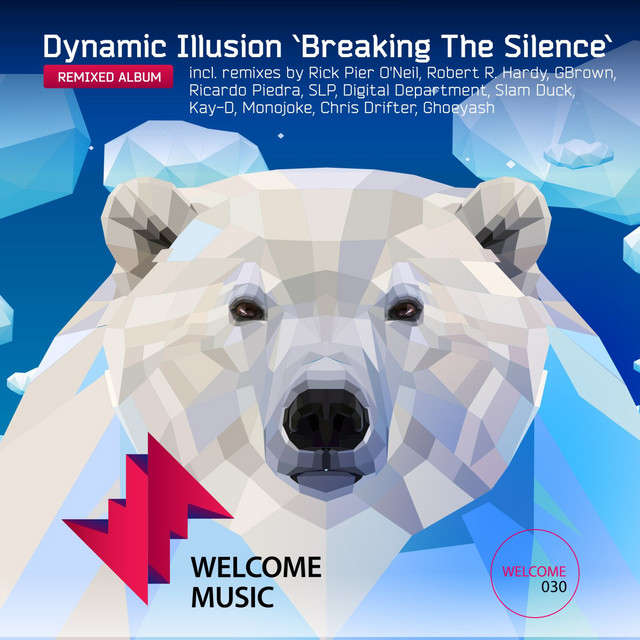
Breaking the Silence Remixes
Chris Drifter, Rick Pier O'Neil, Robert R. Hardy
Dark Progressive House
Similar artists
2
/5
Quivver
Dark Progressive House
Melodic Techno
Progressive House
2
/5
Dave Seaman
Dark Progressive House
Indie Dance
Melodic House
3
/5
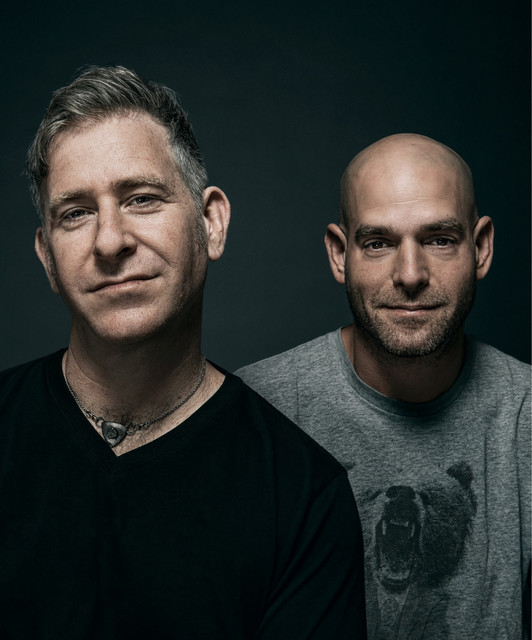
Gabriel & Dresden
Trance
Electronic
Progressive Trance
5
/5
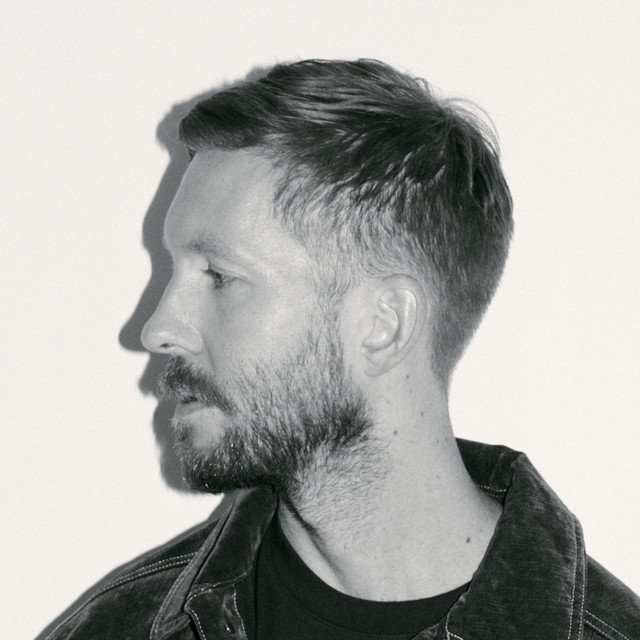
Calvin Harris
Electronic
Electro House
Progressive House
5
/5
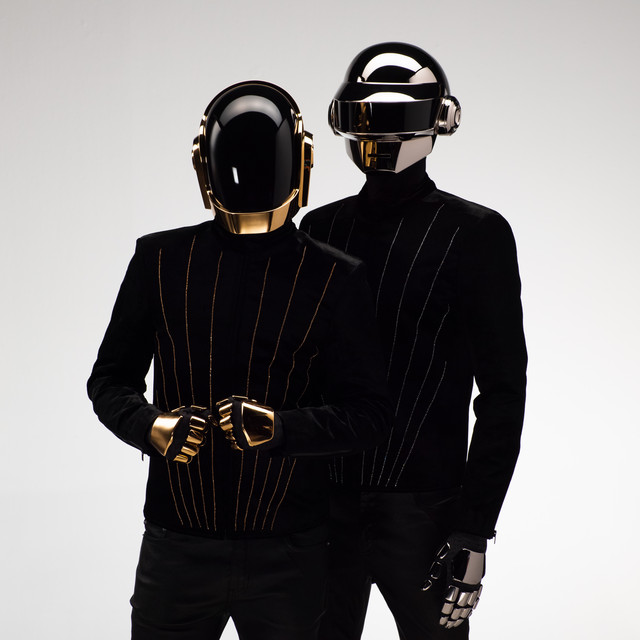
Daft Punk
Electronic
Filter House
Electro
5
/5
Tiësto
Dance
Trance
Electronic
5
/5
Fred again..
Electronic
House
Stutter House
4
/5
Swedish House Mafia
Edm
Progressive Electro House
Dance
4
/5
RÜFÜS DU SOL
Indietronica
Electronic
Melodic House
4
/5
John Summit
House
Tech House
Dance
Download our mobile app
Get the Melodigging app and start digging for new genres on the go
Download on the App Store
Get it on Google Play
© 2026 Melodigging
Give feedback
Legal
Melodding was created as a tribute to
Every Noise at Once
, which inspired us to help curious minds keep digging into music's ever-evolving genres.