Genres
Artists
Albums
Make Music
Sign in
Sign in
Artists
Rhumba
Artists
Rhumba
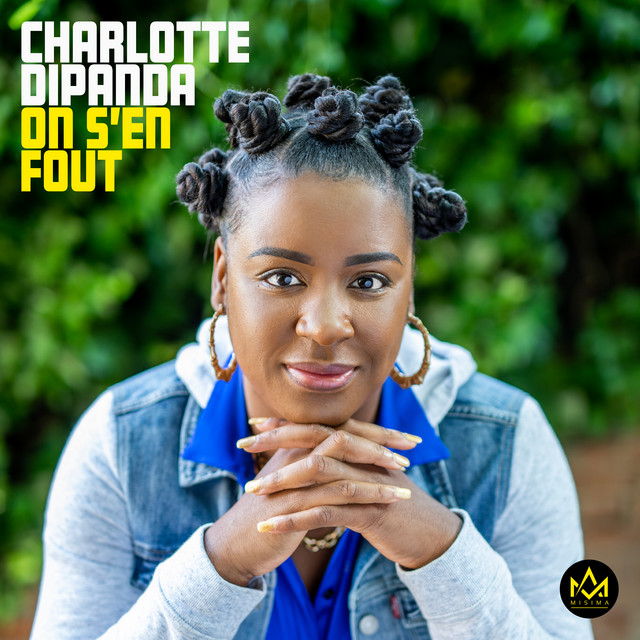
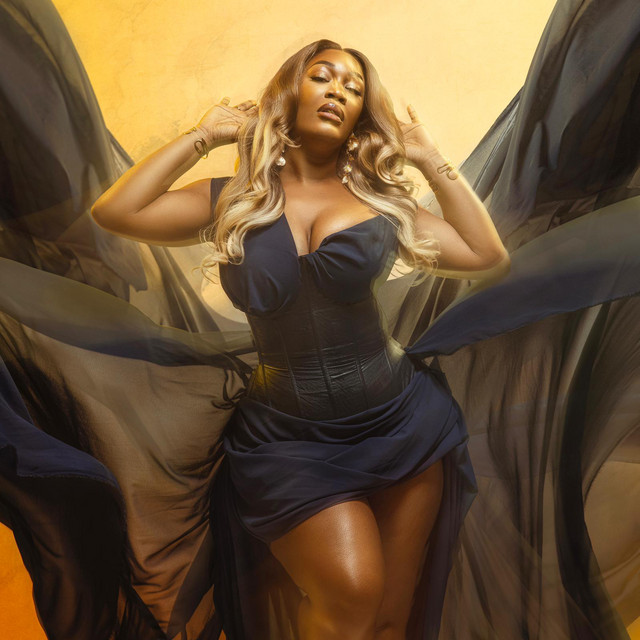
Charlotte Dipanda
2023
·
1 album
Listen
3
/5
Genres
Rap Ivoire
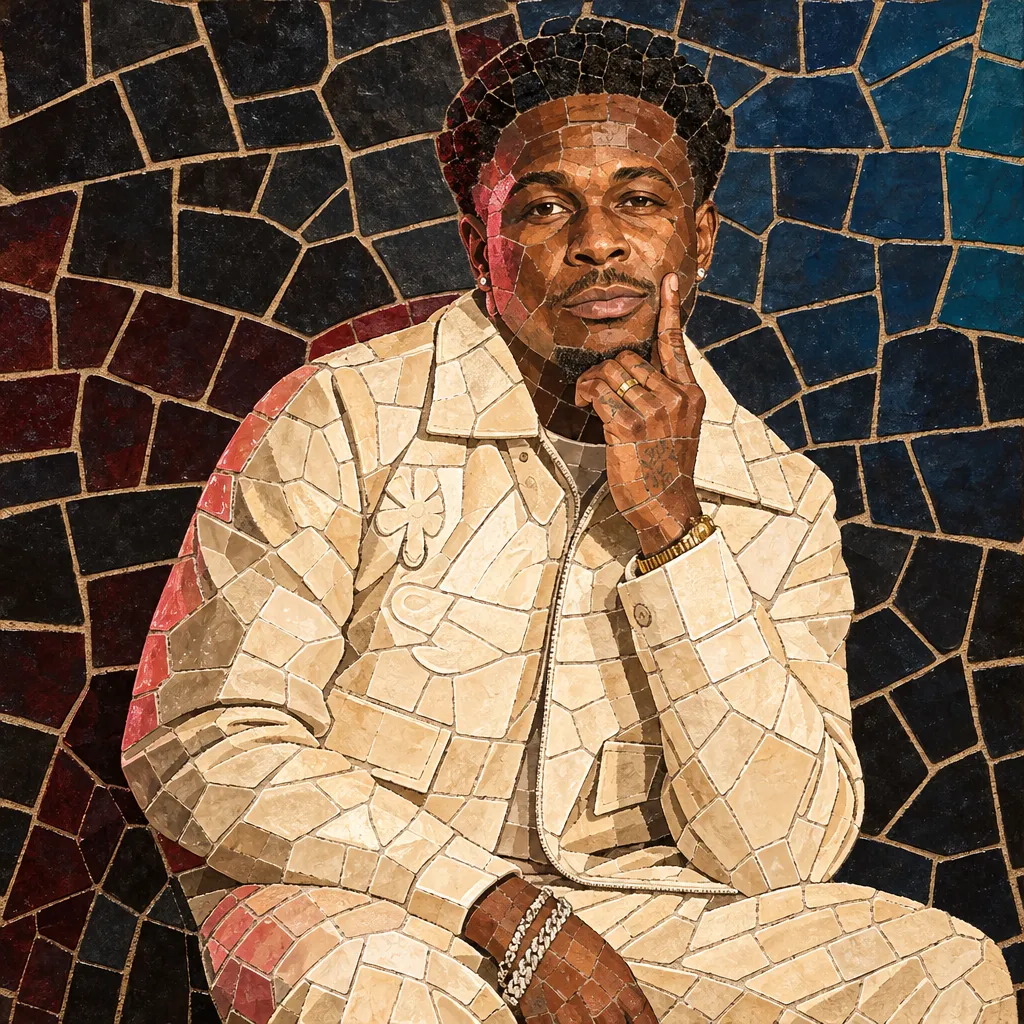
Rap ivoire is the Ivorian strain of hip hop that blends Francophone rap technique with local slang (Nouchi), street storytelling, and high-energy club aesthetics. It typically rides trap or Afro-urban beats while borrowing rhythmic accents from coupé-décalé and broader West African pop. Lyrically, it ranges from boastful punchlines and witty Nouchi wordplay to social observations about Abidjan life, youth hustle, and identity. Sonically, you’ll hear 808-heavy drums, sharp hi-hats, chantable hooks, and call-and-response refrains designed for both street appeal and dancefloor impact.
Discover
Listen
Urban Kiz
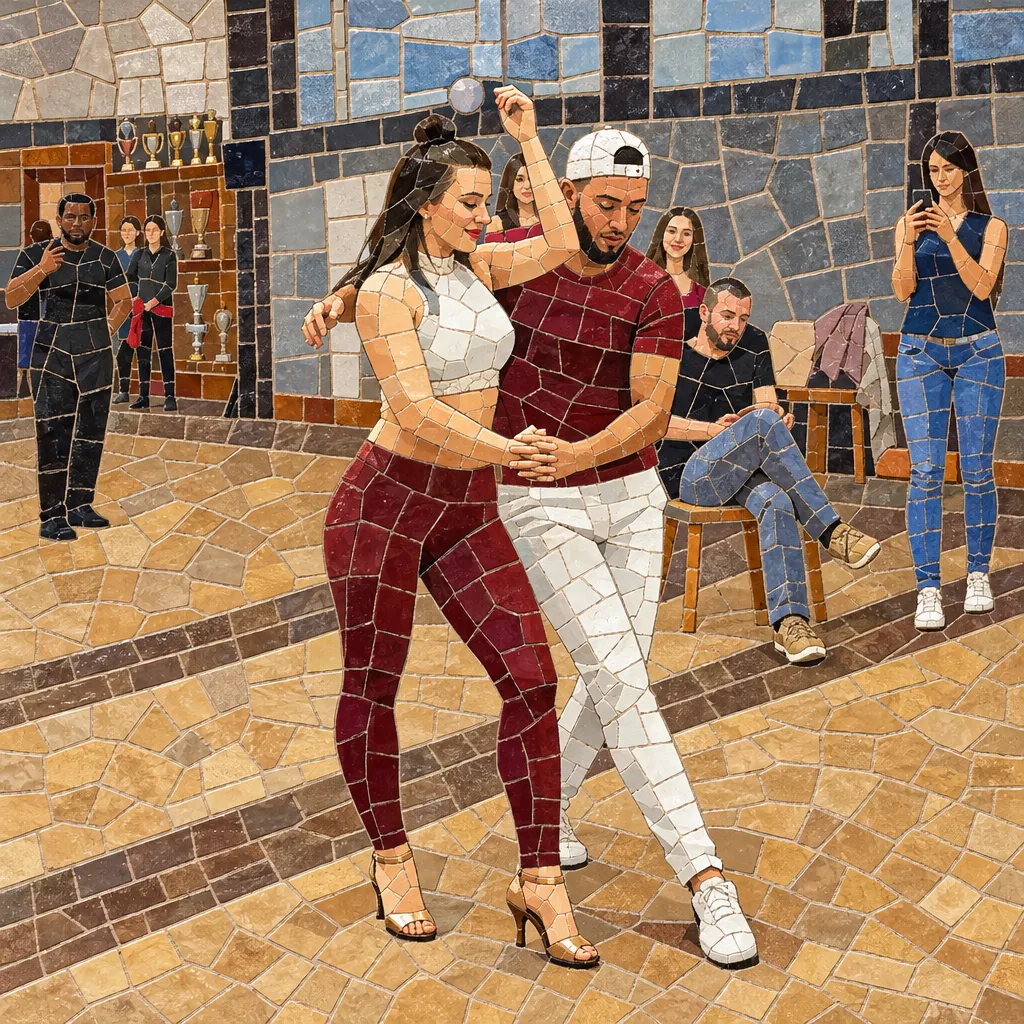
Urban Kiz is a contemporary, club-oriented offshoot of kizomba that took shape in Europe—especially in Paris—in the early-to-mid 2010s. It adapts the sensual, close-connection feel of kizomba to straighter, trap- and R&B-influenced beats with pronounced bass lines, crisp hi‑hats, and engineered breaks that suit the stop‑and‑go aesthetics of Urban Kiz social dancing. Musically, it favors 4/4 grooves around 88–102 BPM, less of the lilting/zouk swing found in classic kizomba, and more linear phrasing with dramatic drops, filters, and space for micro-pauses. Vocals (often in Portuguese, French, Cape Verdean Creole, or English) may be original toplines, sampled phrases, or R&B‑style hooks layered over sleek electronic production. Producers frequently label releases or remixes specifically for "Urban Kiz" floors, reinforcing the genre’s identity within the partner‑dance scene.
Discover
Listen
Azontobeats
Azontobeats is a high-energy Ghanaian club sound built to power the Azonto dance craze of the early 2010s. It blends the melodic sensibility of highlife and the rap-forward urgency of hiplife with contemporary Afrobeats pop gloss, dancehall swagger, and UK club rhythms. Typically sitting around 118–128 BPM, the style features punchy, dance-focused drum programming, bright synth hooks, and recurring call-and-response chants in Ghanaian languages (especially Twi and Ga) and Ghanaian Pidgin English. Percussion draws on kpanlogo-inspired bell and drum patterns, while arrangements prioritize catchy toplines and hooky, instruction-style lyrics that cue dance moves. More than just a beat, Azontobeats became a cultural wave that helped push Ghana’s sound onto global dance floors, laying a pathway for later diasporic Afrobeats and UK Afroswing crossovers.
Discover
Listen
Ndombolo
Ndombolo (also spelled dombolo) is a high‑energy Congolese dance music born from the 1990s soukous scene. It accelerates the classic Congolese rumba/soukous template, pushing the tempo, sharpening the rhythmic drive, and foregrounding hip‑swaying, pelvis‑led dance moves. Musically, ndombolo is marked by propulsive drum‑kit and conga patterns, bright interlocking electric guitars that launch into long, fast seben breaks, elastic bass lines, and catchy call‑and‑response vocals—often in Lingala with French catchphrases. Atalaku (hype‑men) add spirited shouts and dance commands that stoke the crowd. The overall sound is upbeat, percussion‑driven, and tailor‑made for the dancefloor. By the mid‑1990s and 2000s the style dominated clubs across Central, Eastern, and parts of Western Africa, becoming a pan‑African dance craze and a reference point for subsequent urban dance‑pop styles.
Discover
Listen
Zouk
Zouk is a high-energy dance music that originated in the French Caribbean (Guadeloupe and Martinique) in the early 1980s, crystallized by the band Kassav’. It blends Haitian compas (kadans) with local folk rhythms and the glossy production aesthetics of disco, funk, and early electronic pop. Early “zouk béton” emphasized driving, tightly arranged rhythms, bright synth-brass stabs, and call-and-response vocals. A slower, smoother branch known as “zouk love” followed, foregrounding romantic lyrics, silky harmonies, and sensual grooves. Sung primarily in Antillean Creole and French, zouk is both a party soundtrack and a cultural statement of Caribbean identity.
Discover
Listen
Bikutsi
Bikutsi is a high-energy dance music from central Cameroon, rooted in the social and ceremonial music of the Beti (including the Ewondo and Eton peoples). Its name is often glossed as “beating the earth,” evoking the powerful, stomping dance steps and the trance-like, percussive drive that define the style. Traditionally performed with balafon (xylophone), rattles, handclaps, and drums, bikutsi features fast 6/8 cross-rhythms, call-and-response vocals, and lyrics that mix social commentary, satire, and frank discussions of love and everyday life. The modern, urban form electrifies those same patterns with driving bass lines, drum kits, and rapid, treble‑rich guitar ostinatos that mimic balafon figures, producing a relentless, celebratory groove suited to clubs and street parties.
Discover
Listen
Congolese Rumba
Congolese rumba (often called African rumba) is a danceable, guitar-driven popular music that emerged in Kinshasa and Brazzaville after World War II. It blends Afro‑Cuban son and bolero harmonies with Central African rhythmic sensibilities and call‑and‑response vocals. Typical recordings feature interlocking electric guitars (rhythm, mi‑solo and lead) playing lilting, cyclical figures over a steady, clave‑informed groove, buoyed by congas, maracas, cowbell, bass tumbao, and occasional horns. Songs frequently move from a lyrical, crooning verse into an extended instrumental vamp called the “sebene,” where the band raises the energy for dancers. Lyrically, Congolese rumba often uses Lingala (and sometimes French), celebrating romance, urban life, and social themes with suave vocal harmonies and a refined sense of melody.
Discover
Listen
Rhumba
Rhumba (spelled with an “h”) is the Americanized, ballroom- and big-band-friendly adaptation of Cuban rumba and related Afro‑Cuban dance music. Emerging in the United States during the Latin dance craze of the 1930s, it translated the clave-based grooves and romantic lyricism of Cuban music into a smoother, slower, and more arranged popular dance style suited to hotel ballrooms, Hollywood, and radio. Compared with traditional Cuban rumba and son, American rhumba emphasizes clear phrase structure, a moderate tempo, and lush arrangements featuring strings, horns, and rhythm sections enhanced by Latin percussion. The result is a sensuous, elegant dance music that foregrounds romance and a steady, dancer-friendly pulse.
Discover
Listen
Show all 8 genres
Albums
2023
2
/5
On s'en fout
Charlotte Dipanda
Rhumba
Similar artists
3
/5
Espoir 2000
Zouglou
Bikutsi
Coupé-Décalé
3
/5
Roseline Layo
Bikutsi
Zouglou
Coupé-Décalé
3
/5
Josey
Bikutsi
Ndombolo
Rap Ivoire
3
/5
Oliver N'Goma
Zouk
Bikutsi
Compas
2
/5
Petit Pays
Makossa
Azonto
Bikutsi
2
/5
Gadji Celi
Azonto
Bikutsi
Congolese Rumba
2
/5
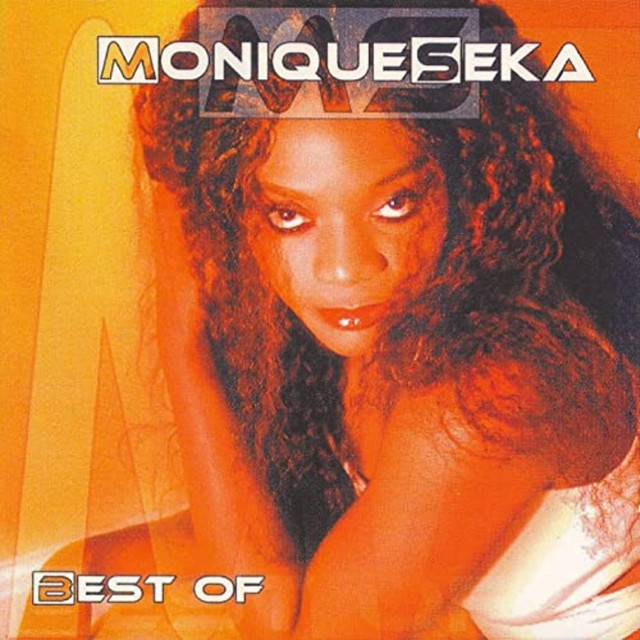
Monique Séka
Zouk
Akan Music
Bikutsi
2
/5
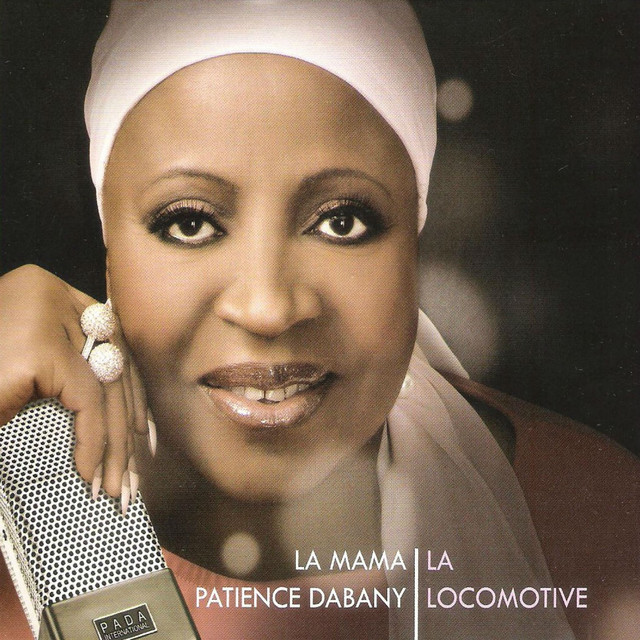
Patience Dabany
Bikutsi
Congolese Rumba
Ndombolo
2
/5
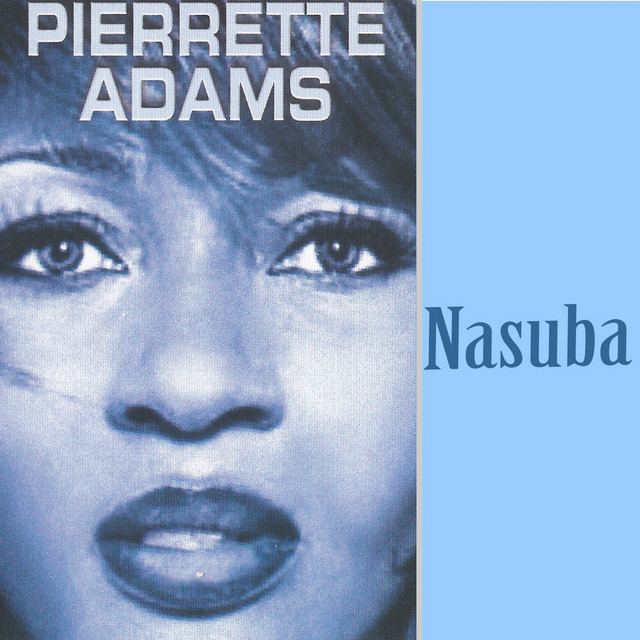
Pierrette Adams
Azonto
Bikutsi
Compas
2
/5
Monique Seka
Bikutsi
Compas
Congolese Rumba
Download our mobile app
Get the Melodigging app and start digging for new genres on the go
Download on the App Store
Get it on Google Play
© 2026 Melodigging
Give feedback
Legal
Melodding was created as a tribute to
Every Noise at Once
, which inspired us to help curious minds keep digging into music's ever-evolving genres.