Genres
Artists
Albums
Make Music
Sign in
Sign in
Artists
Latin Jazz
Artists
Latin Jazz
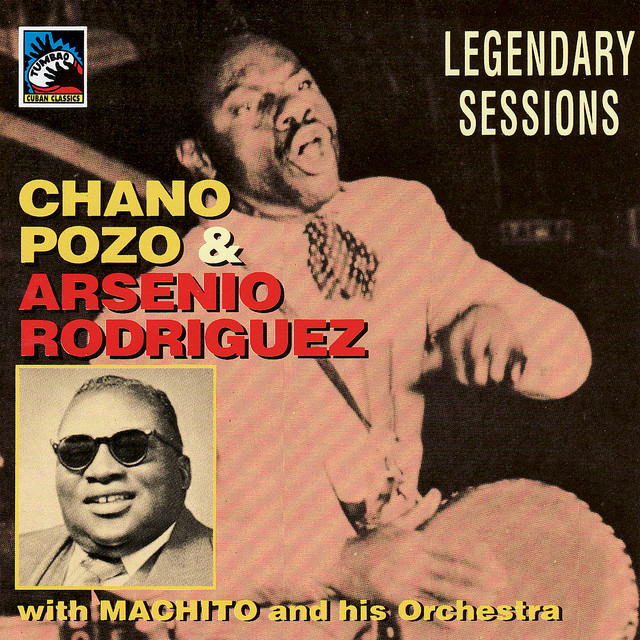
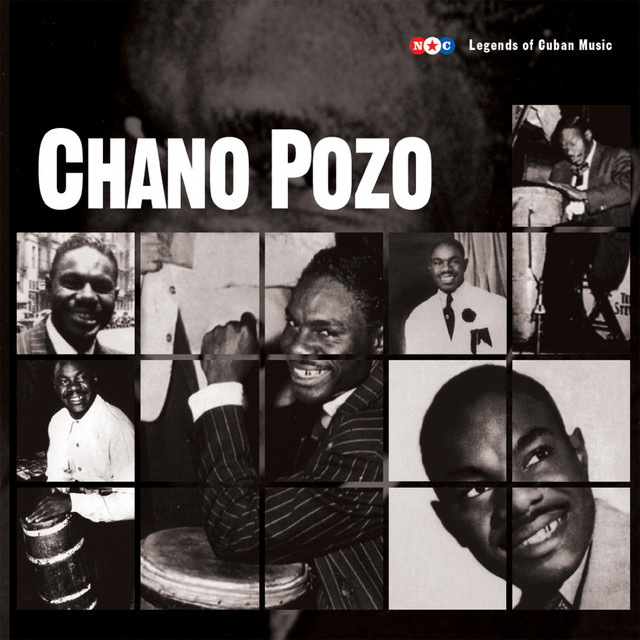
Chano Pozo
2006
·
1 album
Listen
1
/5
Genres
Latin Jazz
Latin jazz is a fusion of jazz harmony and improvisation with Afro–Latin American rhythms, song forms, and percussion. It combines the swing, bebop, and big-band traditions with clave-based grooves such as son, rumba, danzón, and mambo, and later integrates Brazilian feels like samba and bossa nova. Typical features include the use of the clave (2–3 or 3–2), piano montunos (guajeos), bass tumbao patterns, timbales cáscara, conga marcha, and call-and-response horn "mambo" figures. While the rhythm section locks into cyclical patterns, soloists improvise using the vocabulary of jazz, creating music that is both danceable and harmonically rich.
Discover
Listen
Son Cubano
Son cubano is a foundational Cuban genre that fuses Spanish-derived song forms and harmony with Afro-Cuban rhythms and percussion. Born in eastern Cuba (Oriente) and crystallized in Havana in the 1910s–1920s, it became the backbone of much of 20th‑century Latin popular music. Typical ensembles began as sextetos (tres, guitar, bongó, maracas, claves, and bass or marímbula) and later evolved into septetos with trumpet. Conjunto formats in the 1940s added piano, congas, and multiple horns. The music rides a son clave (in 3‑2 or 2‑3 orientation), features interlocking tres guajeos, a walking/tumbao bass that anticipates the downbeat, and call‑and‑response vocals in the montuno section. Harmonically it is rooted in I–IV–V with bluesy dominant sevenths and occasional secondary dominants. Lyrically it balances romance, everyday life, and streetwise wit, always aimed at dancing and social gathering.
Discover
Listen
Afro-Cuban Percussion
Afro-Cuban percussion refers to the family of hand-drum and small-percussion practices that developed in Cuba from West and Central African traditions, fused with local Cuban culture. Its heartbeat is the clave timeline, which organizes interlocking rhythms (often in 3-2 or 2-3 orientation) and anchors layers of drums, bells, and shakers. Core instruments include tumbadoras (congas), bongó with cencerro (cowbell), batá (the sacred double-headed hourglass drums of Yoruba/Lukumí worship: iyá, itótele, okónkolo), cajón (wooden box), timbales (later in popular dance contexts), chekeré/güiro (scrapers and beaded gourds), and various bells. Textures are polyrhythmic and cyclical, featuring call-and-response vocals, improvisatory lead drum phrases, and timeline instruments that guide the ensemble. Within Afro-Cuban percussion there are distinct streams: sacred drumming (batá, iyesá, arará, abakuá) tied to religious ceremony, and secular forms (rumba—yambú, guaguancó, columbia—comparsa/conga street processions, and later dance-band contexts). The tradition emphasizes groove, conversation between parts, and the expressive dialogue between dancer and lead drum.
Discover
Listen
Albums
2006
Chano Pozo
Chano Pozo
Afro-Cuban Percussion
Similar artists
3
/5
Poncho Sanchez
Latin Jazz
Afro-Cuban Jazz
Chachachá
3
/5
Angá Diaz
Afro-Cuban Jazz
Latin Jazz
Son Cubano
2
/5
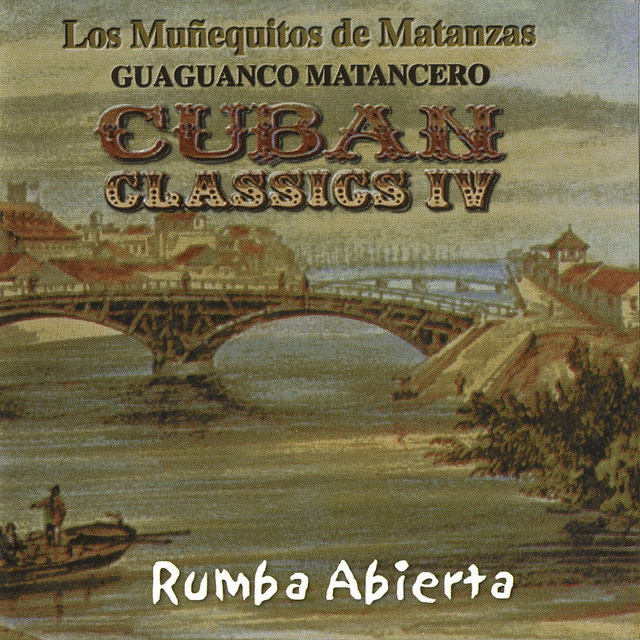
Los Muñequitos De Matanzas
Rumba Cubana
Afro-Cuban Jazz
Latin Jazz
2
/5
Francisco Aguabella
Rumba Cubana
Latin Jazz
Mambo
2
/5
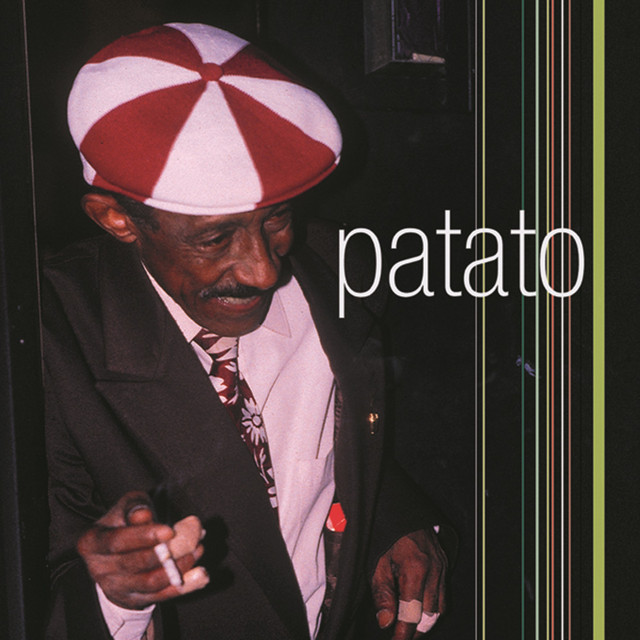
Patato
Rumba Cubana
Son Cubano
Afro-Cuban Jazz
1
/5
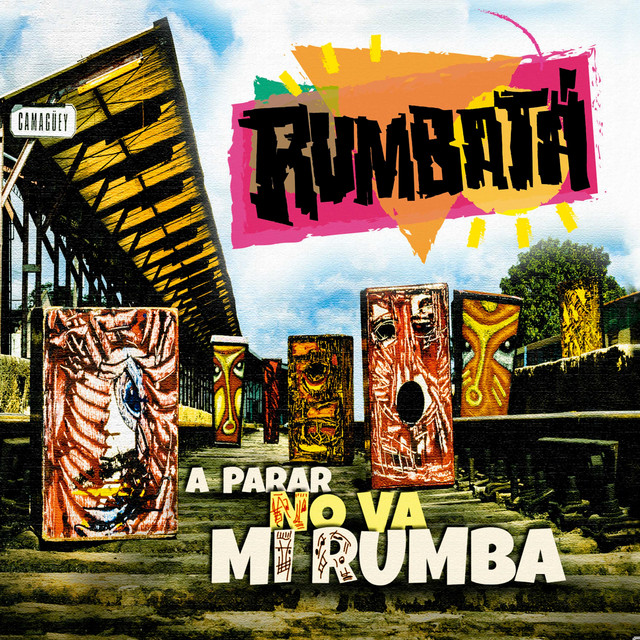
Rumbatá
Latin Jazz
Son Cubano
Timba
1
/5
Carlos "Patato" Valdez
Latin Jazz
Son Cubano
Afro-Cuban Percussion
1
/5
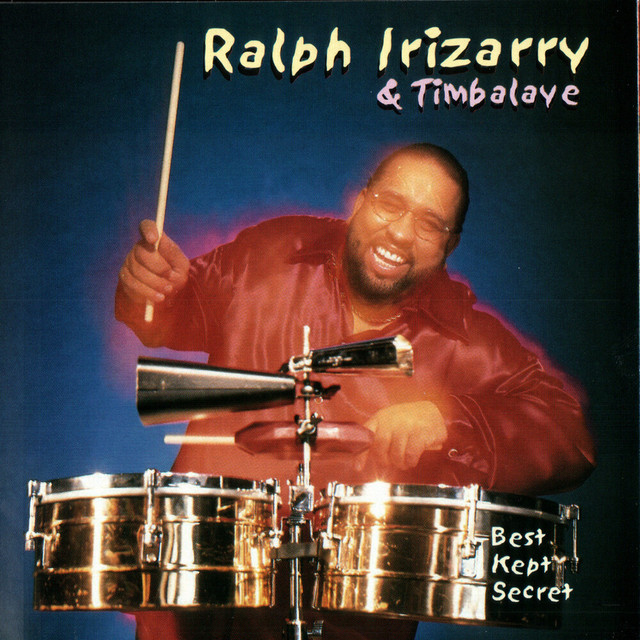
Timbalaye
Afro-Cuban Percussion
Latin Jazz
Rumba Cubana
1
/5
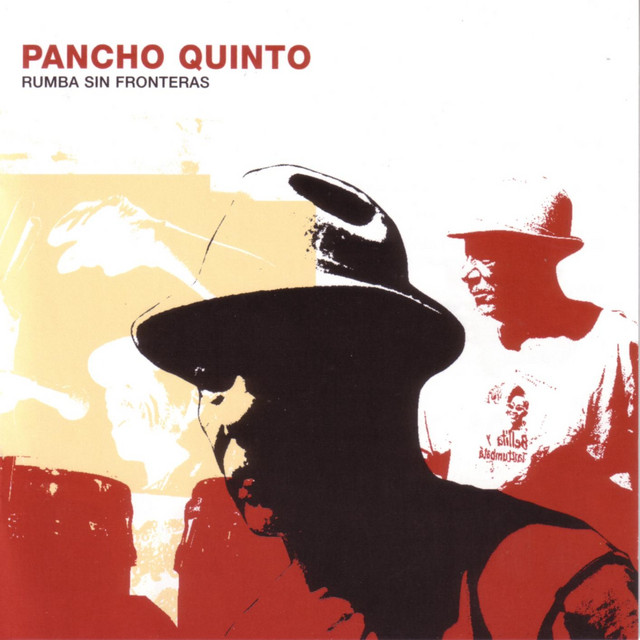
Pancho Quinto
Latin Folk
Latin Jazz
Son Cubano
4
/5
Celia Cruz
Latin Dance
Son Cubano
Mambo
Download our mobile app
Get the Melodigging app and start digging for new genres on the go
Download on the App Store
Get it on Google Play
© 2026 Melodigging
Give feedback
Legal
Melodding was created as a tribute to
Every Noise at Once
, which inspired us to help curious minds keep digging into music's ever-evolving genres.