Genres
Artists
Albums
Make Music
Sign in
Sign in
Artists
Valsa Brasileira
Artists
Valsa Brasileira
Cauby Peixoto
7 albums
Listen
2
/5
Genres
Brega
Brega is a Brazilian popular music style known for unabashed romanticism, dramatic vocal delivery, and melodically memorable choruses. Often associated with working-class audiences in the Northeast and North of Brazil, it embraces sentimentality—songs dwell on love, betrayal, jealousy, and longing—using straightforward harmonies and lush, sometimes kitschy, arrangements. Musically, classic brega favors mid-tempo grooves, prominent keyboards or string-synth pads, clean electric guitars, and steady drums or drum machines. Its harmonic language leans on familiar pop progressions and the climactic “truck-driver’s gear change” (a last-chorus key change) to heighten emotion. Once dismissed by elites as “tacky,” brega has since been reappraised as a vital expression of Brazilian popular taste and a wellspring for newer subgenres.
Discover
Listen
Mpb
MPB (Música Popular Brasileira) is a broad Brazilian popular music movement that crystallized in the mid-1960s after bossa nova. It blends samba and other regional rhythms with jazz harmony, singer‑songwriter craft, and elements of contemporary pop and rock. The style is marked by sophisticated melodies, extended harmonies, inventive arrangements, and lyrically rich songs that often use poetry and metaphor. Many classic MPB works balance intimacy (voice and violão/nylon‑string guitar) with lush studio orchestration, drawing from samba‑canção, choro, baião, and frevo while engaging modern influences. Historically, MPB provided a platform for social commentary during Brazil’s military dictatorship, with artists employing allegory to navigate censorship. It remains a living tradition that continually renews itself through new generations (“nova MPB”).
Discover
Listen
Bossa Nova
Bossa nova is a Brazilian popular music style that emerged in Rio de Janeiro in the late 1950s, blending samba’s syncopated pulse with the harmonic sophistication and understated cool of jazz. It is characterized by intimate, almost whispered vocals; a nylon‑string guitar playing the distinctive batida (a gently syncopated, two-beat accompaniment); subtle, brushed percussion; and lush, extended jazz harmonies. The mood is relaxed, refined, and full of saudade—a bittersweet sense of longing—often evoking images of Rio’s beaches, nightclubs, and urban modernity.
Discover
Listen
Seresta
Seresta is a Brazilian tradition of nocturnal, romantic serenade-songs, typically performed by small groups beneath windows, on quiet streets, or in backyard gatherings. It blends the refined, sentimental poetics of the modinha with the lyrical sweep of waltzes and the instrumental lyricism of choro, favoring expressive vocals, rubato phrasing, and intimate acoustic accompaniment. The repertoire is slow to medium in tempo, often in 3/4 or gentle 2/4, and centers on themes of love, longing, moonlit nights, and saudade. Hallmark instruments include the violão (acoustic guitar), bandolim (mandolin), cavaquinho, flute, and light percussion, supporting a crooning vocal style that predates and foreshadows later romantic currents in Brazilian popular music.
Discover
Listen
Valsa Brasileira
Valsa brasileira is the Brazilian take on the European waltz, rendered in 3/4 time but phrased with the lyricism, rubato, and subtle swing of Brazilian popular music. It flourished first as salon and seresta (serenade) music and soon became a core form in the choro repertoire. Compared with the Viennese tradition, Brazilian waltzes favor singing melodic lines, chromatic inner motion, and bass “baixaria” counter-lines on 7‑string guitar. Forms often mirror choro structures (e.g., ABACA or AABBACCA), and harmonies draw from Romantic classical language—secondary dominants, diminished passing chords, modal mixture, and smooth modulations—while keeping a warm, intimate, and nostalgic character.
Discover
Listen
Bolero
Bolero is both a Spanish dance-music form from the late 18th century and, later, a Cuban song style from the late 19th century. The Spanish bolero emerged as a moderately slow solo or partner dance in 3/4 time, shaped by Andalusian song-dance traditions. It typically features guitar accompaniment and castanets, and its sung texts often follow the seguidilla stanza pattern. In Cuba, bolero evolved into a romantic ballad—most often in 2/4 (later also felt in 4/4)—performed by singers, trios, and salon ensembles. Cuban bolero emphasizes intimate, lyrical melodies, guitar-led accompaniment (often with requinto), and gentle Afro-Caribbean rhythmic undercurrents (habanera feel, soft bongo, claves), becoming one of Latin America’s quintessential love-song forms.
Discover
Listen
Albums
Cauby! Cauby!
Cauby Peixoto
Brega
Canção do Rouxinol
Cauby Peixoto
Valsa Brasileira
Nosso Amigo Cauby
Cauby Peixoto
Valsa Brasileira
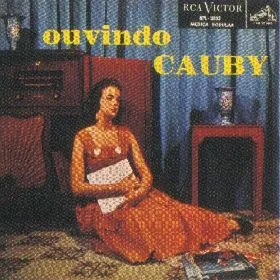
Ouvindo Cauby
Cauby Peixoto
Valsa Brasileira
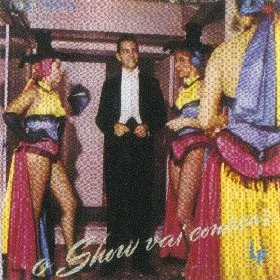
O Show Vai Começar
Cauby Peixoto
Valsa Brasileira
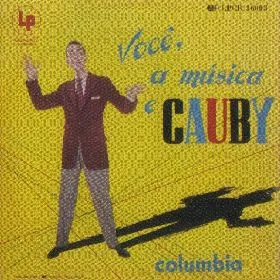
Você, a música e Cauby
Cauby Peixoto
Valsa Brasileira
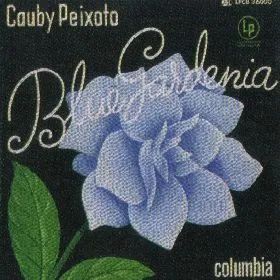
Blue Gardênia
Cauby Peixoto
Valsa Brasileira
Similar artists
2
/5
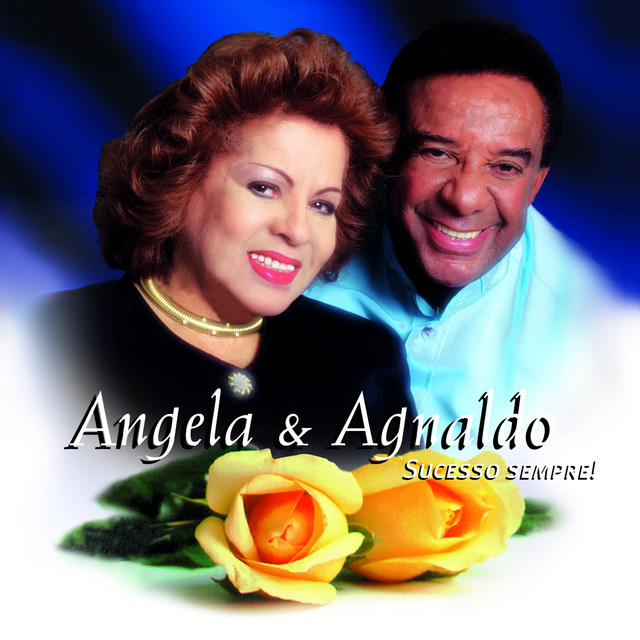
Angela Maria
Bossa Nova
Brega
Mpb
4
/5
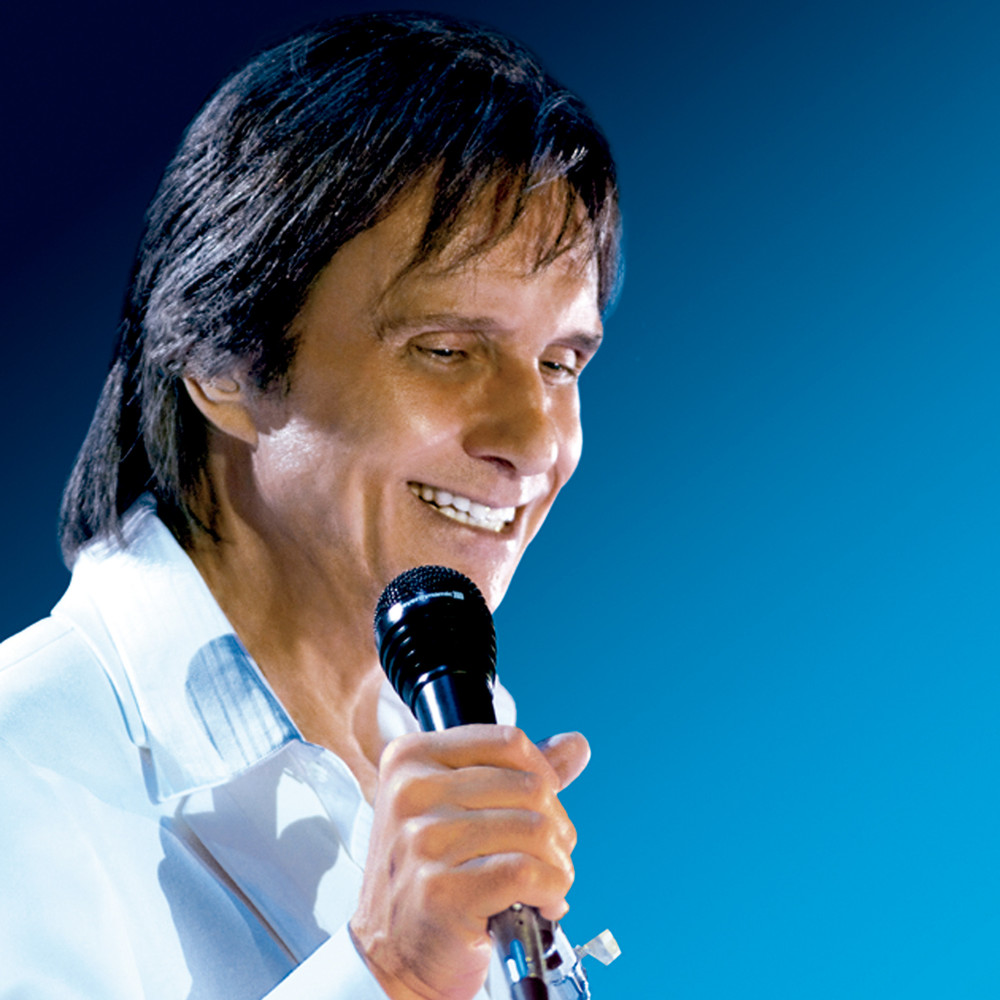
Roberto Carlos
Jovem Guarda
Mpb
Brega
3
/5
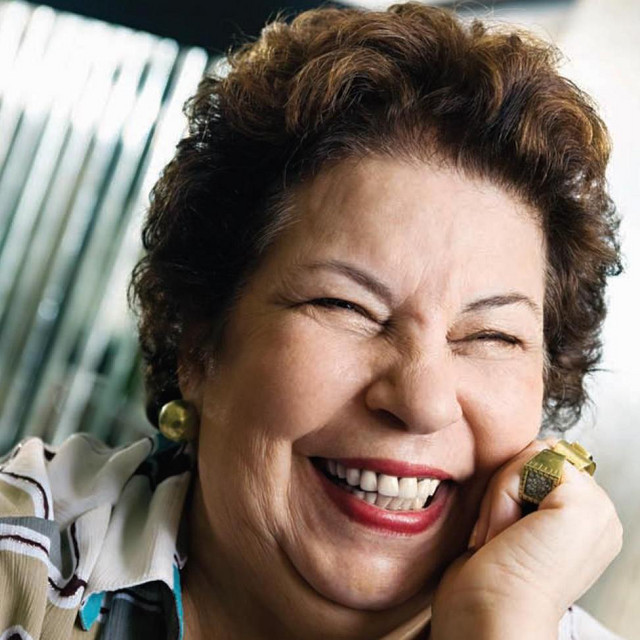
Nelson Gonçalves
Bolero
Brega
Mpb
3
/5
Nana Caymmi
Bolero
Bossa Nova
Mpb
2
/5
Elymar Santos
Bolero
Brega
Mpb
4
/5
Fagner
Brega
Forró
Mpb
2
/5
Eduardo Gudin
Bossa Nova
Mpb
Nova Vanguarda Paulistana
2
/5
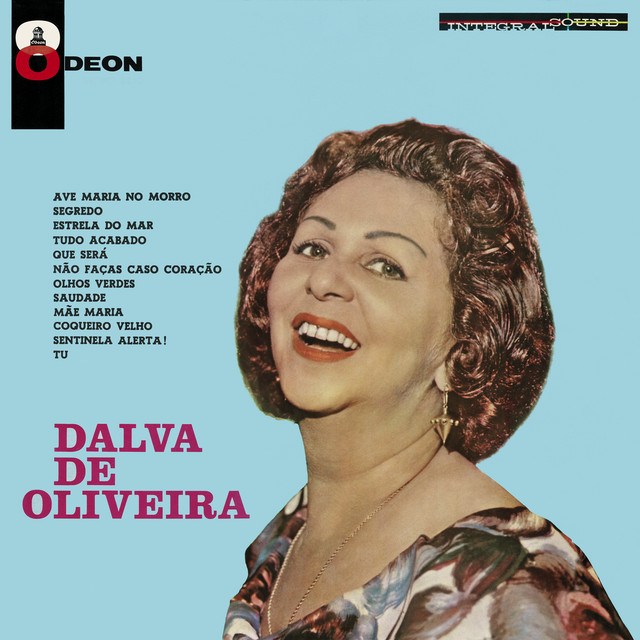
Dalva De Oliveira
Brega
Mpb
Seresta
3
/5
Baden Powell
Samba-Jazz
Bossa Nova
Latin Jazz
3
/5
Nelson Ned
Brega
Bolero
Seresta
Download our mobile app
Get the Melodigging app and start digging for new genres on the go
Download on the App Store
Get it on Google Play
© 2026 Melodigging
Give feedback
Legal
Melodding was created as a tribute to
Every Noise at Once
, which inspired us to help curious minds keep digging into music's ever-evolving genres.