Genres
Artists
Albums
Make Music
Sign in
Sign in
Artists
Chamarrita Rioplatense
Artists
Chamarrita Rioplatense
Carlos María Fossati
1975–1988
·
7 albums
Listen
2
/5
Genres
Latin Folk
Latin folk is a broad umbrella for singer‑songwriter and ensemble music that draws on traditional folk forms from across Latin America while presenting them in contemporary, often acoustically driven arrangements. It emphasizes storytelling, social and poetic lyricism, and the timbres of regional instruments such as the guitar, charango, quena, zampoña, cuatro, and bombo legüero. Rhythmic cells are borrowed from pan‑regional traditions (chacarera, cueca, zamba, huayno, joropo, son, and others), yet songs are commonly shaped in accessible verse‑chorus structures. While its roots are centuries old, the modern genre coalesced during the mid‑20th‑century folk revival and the Nueva Canción movements, which linked ancestral sounds with contemporary concerns such as identity, justice, and cultural memory.
Discover
Listen
Chamarrita Rioplatense
Chamarrita rioplatense is a River Plate folk song-and-dance form cultivated mainly in Uruguay and the Argentine province of Entre Ríos. It descends from the Azorean chamarrita but was reshaped in the Southern Cone with gaucho poetics, guitar-driven accompaniment, and a characteristic lilting triple meter (often 3/4 with 6/8-style swing and occasional hemiola). Typical ensembles feature voice, guitars with rasgueado strumming, accordion or bandoneón, violin, and bombo legüero, producing a warm, wood-and-reed timbre. Lyrics dwell on river life, pastures, mate, work, love, and local history, while the social dance is performed in couples, usually in circles or lines, at a moderate tempo.
Discover
Listen
Folklore Argentino
Folklore argentino (música folklórica argentina) is the umbrella term for Argentina’s regional traditional music and song. It gathers styles such as chacarera and zamba from the Northwest, chamamé and rasguido doble from the Litoral, cueca and tonada cuyana from Cuyo, malambo and milonga pampeana from the Pampas, vidala and baguala from the Andean northwest, and many more. While its roots stretch back to the colonial era and to indigenous traditions, the genre crystallized as a modern national repertoire during the mid‑20th‑century folkloric boom. It is marked by guitar-based accompaniment (rasgueado strumming), bombo legüero drum pulses, rich vocal traditions (solo and choral), and dance forms in compound meters with characteristic hemiolas. Themes often evoke the land, the gaucho, love and longing, community festivities, indigenous memory, and social justice.
Discover
Listen
Murga
Murga is a carnival-rooted performance genre that blends choral singing, sharp social satire, and highly rhythmic street percussion. Typically presented by neighborhood troupes, it combines theatrical staging, elaborate costumes, and choreographed movement with a driving, snare-led groove. Although it has variants across the Hispanic world, murga is especially associated with the Río de la Plata region, where its sound crystallized into massed chorus, rapid-fire "cuplés" (satirical couplets), and set pieces that open (saludo) and close (retirada) each show. The tone ranges from festive and humorous to bitingly political, all delivered with bold vocal projection and call-and-response energy.
Discover
Listen
Candombe
Candombe is an Afro‑Uruguayan percussion tradition centered on the interplay of three barrel drums called tamboriles: chico (the high, time‑keeping drum), repique (the improvisatory, conversational drum), and piano (the deep, bass foundation). Played in a forward‑moving parade formation known as a cuerda de tambores, its groove is driven by a characteristic clave‑like timeline articulated on the shell (madera) and by the interlocking parts of the three drums. Beyond rhythm, candombe is a living cultural practice linked to Afro‑Uruguayan neighborhoods in Montevideo—especially Barrio Sur, Palermo, and Cordón—where comparsas (troupes) combine drummers, dancers, flag bearers, and emblematic characters (mamas viejas, gramilleros, and the escobero). While primarily percussive, modern song forms and fusions often add vocals, guitar, bass, and keyboards, projecting candombe into jazz, pop, and rock contexts while retaining its unmistakable swing and street‑parade energy.
Discover
Listen
Traditional Folk
Traditional folk is a broad umbrella for orally transmitted songs and dance tunes that circulated in rural and working-class communities before the age of mass recording. Repertoires include narrative ballads, laments, love songs, work songs, lullabies, and instrumental dance sets such as reels, jigs, hornpipes, and marches. Stylistically, traditional folk favors strophic forms, pentatonic or modal melodies (often Dorian and Mixolydian), limited harmonic movement, and strong, memorable tunes designed for communal singing and dancing. Performances range from unaccompanied solo voice to small ensembles built around fiddle, flute/whistle, pipes, concertina/accordion, guitar, banjo, and frame drum. Ornamentation, variation by verse, and flexible tempo are integral, reflecting an oral tradition where songs live through continual reinterpretation. Although it is pan‑regional, the modern idea of “traditional folk” coalesced in the 19th century through collectors and revivalists who documented vernacular music and framed it as cultural heritage.
Discover
Listen
Albums
1988
1
/5
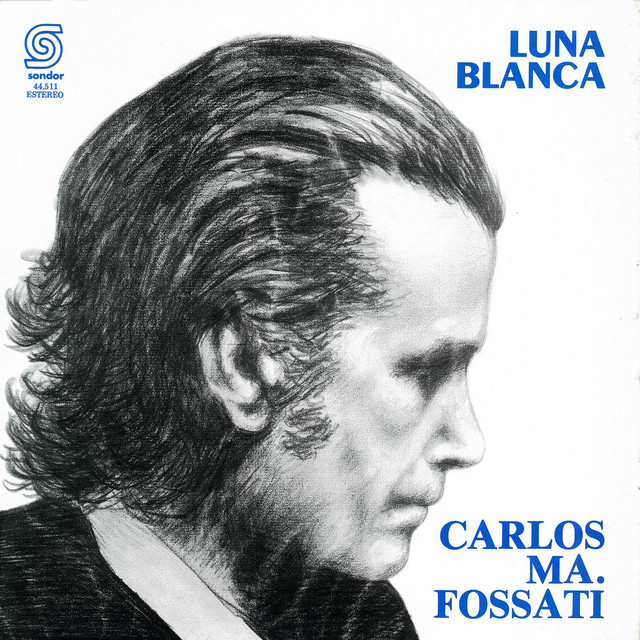
Luna Blanca
Carlos María Fossati
Chamarrita Rioplatense
1982
2
/5
¡Hasta sucumbir!
Carlos María Fossati
Chamarrita Rioplatense
1979
1
/5
De la Campaña
Carlos María Fossati
Chamarrita Rioplatense
1977
1
/5
3
Carlos María Fossati
Chamarrita Rioplatense
1976
1
/5
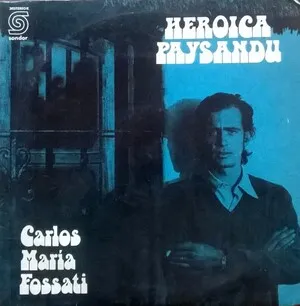
Heroica Paysandú
Carlos María Fossati
Chamarrita Rioplatense
1975
1
/5
De poncho blanco
Carlos María Fossati
Chamarrita Rioplatense
Por qué mi canto
Carlos María Fossati
Chamarrita Rioplatense
Similar artists
2
/5
Numa Moraes
Candombe
Folklore Argentino
Latin Folk
1
/5
Osiris Rodríguez Castillos
Candombe
Latin Folk
Murga
2
/5
José Carbajal "El Sabalero"
Candombe
Latin Folk
Murga
3
/5
Alfredo Zitarrosa
Milonga
Nueva Canción
Candombe
2
/5
Los Olimareños
Murga
Candombe
Folclor Andino
2
/5
Daniel Viglietti
Nueva Trova
Trova
Candombe
2
/5
Tabaré Etcheverry
Candombe
Folklore Argentino
Murga
2
/5
Santos Inzaurralde
Candombe
Folklore Argentino
Latin Folk
1
/5
Gabriela Rodriguez
Candombe
Latin Folk
Murga
1
/5
Arlet Fernandez
Candombe
Folklore Argentino
Murga
Download our mobile app
Get the Melodigging app and start digging for new genres on the go
Download on the App Store
Get it on Google Play
© 2026 Melodigging
Give feedback
Legal
Melodding was created as a tribute to
Every Noise at Once
, which inspired us to help curious minds keep digging into music's ever-evolving genres.