Genres
Artists
Albums
Make Music
Sign in
Sign in
Artists
Baroque
Artists
Baroque
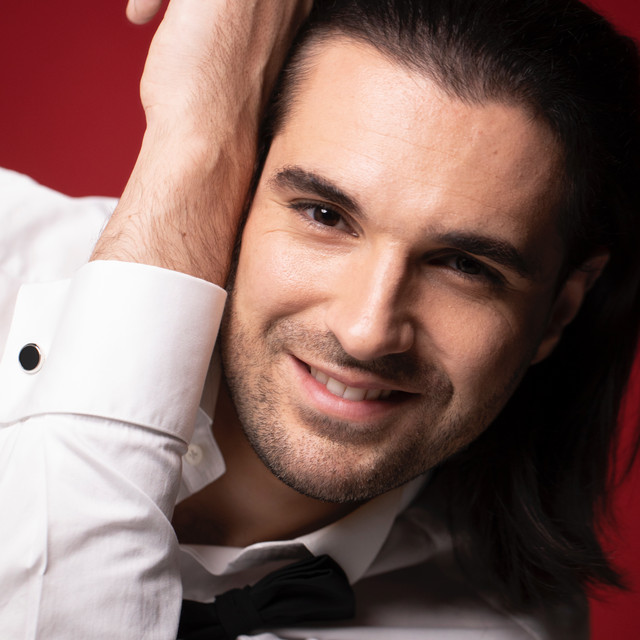
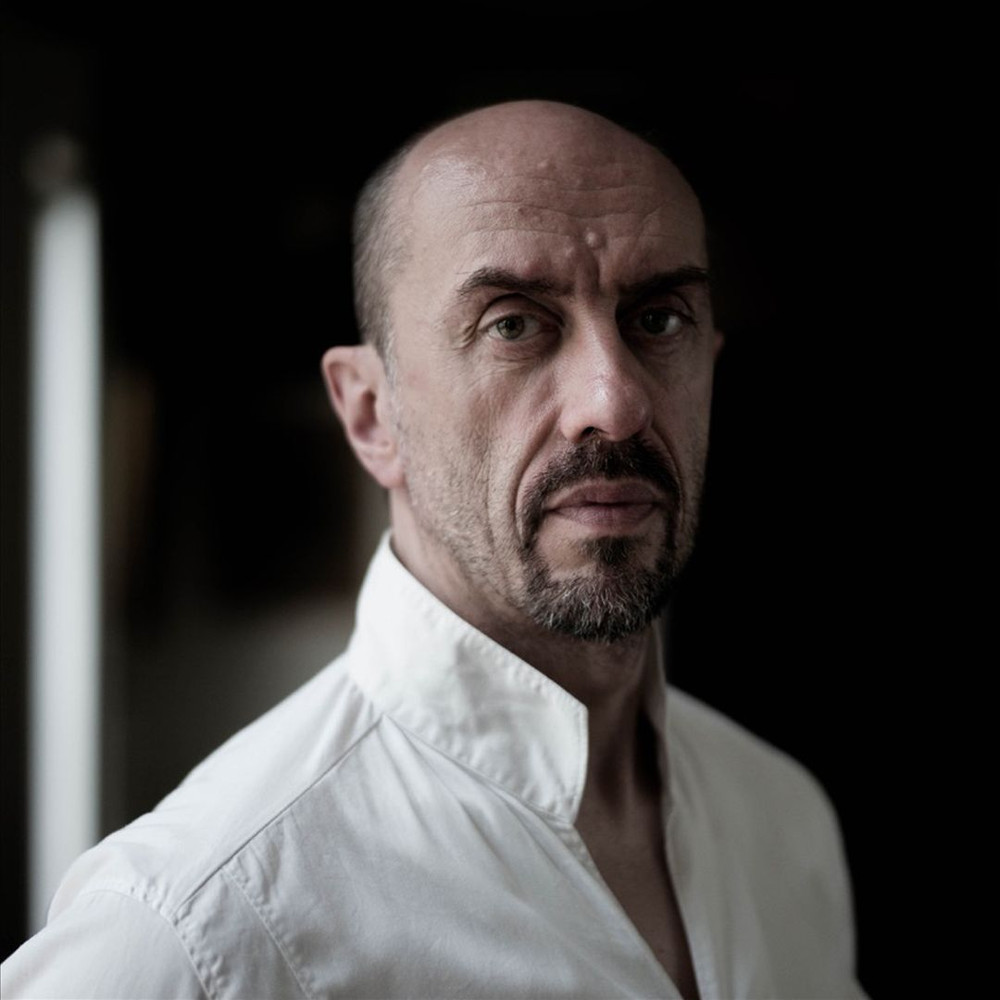
Carlo Vistoli
2018
·
1 album
Listen
2
/5
Genres
Early Music
Early music is a modern performance movement devoted to the repertoire of the Medieval, Renaissance, and early Baroque eras (roughly before c. 1750), approached with historically informed performance (HIP) practices. It emphasizes period instruments (or faithful replicas), historical tunings and temperaments, original notations and sources, and performance conventions documented in treatises of the time. The sound world ranges from monophonic chant and modal organum, to intricate Renaissance polyphony, to the emergence of basso continuo and dramatic affect in the early Baroque. Rather than being a single historical style, early music is a contemporary practice of reviving diverse pre‑Classical musics with scholarly rigor and artistic vitality.
Discover
Listen
Modern Performance
Modern performance is a contemporary classical performance practice focused on post‑war and post‑tonal music, cutting‑edge notation, and exploratory sound. It privileges close composer–performer collaboration, precision of ensemble craft, and the use of extended techniques, electronics, and non‑traditional staging. The style grew around specialized ensembles able to realize complex rhythms, microtonality, new timbral combinations, live electronics, and spatialized setups. Scores may be conventionally notated, graphically specified, or text‑driven, and the result ranges from quiet, fragile textures to aggressive, noise‑inflected masses. Modern performance is less a single compositional language than a shared performance culture devoted to “new music” ideals of experimentation, rigor, and timbral imagination.
Discover
Listen
Baroque
Baroque is a period and style of Western art music spanning roughly 1600–1750. It is characterized by the birth of functional tonality, the widespread use of basso continuo (figured bass), and a love of contrast—between soloist and ensemble, loud and soft, and different timbres. Hallmark genres and forms of the era include opera, cantata, oratorio, concerto (especially the concerto grosso), dance suite, sonata, and fugue. Textures range from expressive monody to intricate counterpoint, and melodies are richly ornamented with trills, mordents, and appoggiaturas. Baroque music flourished in churches, courts, and theaters across Europe, with regional styles (Italian, French, German, English) shaping distinctive approaches to rhythm, dance, harmony, and ornamentation.
Discover
Listen
Opera
Opera is a large-scale theatrical genre that combines music, drama, and visual spectacle, in which the story is primarily conveyed through singing accompanied by an orchestra. It unites solo voices, ensembles, and chorus with staging, costumes, and often dance to create a total artwork. Emerging in late Renaissance Italy and flourishing in the Baroque era, opera developed signature forms such as recitative (speech-like singing that advances the plot) and aria (lyrical numbers that explore character and emotion). Over the centuries it evolved diverse national styles—Italian bel canto, French grand opéra, German music drama—while continually experimenting with orchestration, harmony, narrative structure, and stagecraft.
Discover
Listen
Requiem
A requiem is a musical setting of the Roman Catholic Mass for the Dead (Missa pro defunctis). Historically rooted in Latin liturgy, it sets movements such as the Introit, Kyrie, (historically) the Sequence Dies irae, Offertory, Sanctus, Agnus Dei, and Communion, and often includes additional responsories like Libera me and In paradisum. While the earliest requiems were monophonic chants, the genre became a showcase for polyphonic and later symphonic choral writing. Renaissance composers wrote austere, modal settings; Classical and Romantic composers expanded the forces and dramatic scope; and 20th–21st century composers reimagined the form with new languages, from neo-modal and impressionistic harmonies to avant‑garde sonorities. Today, requiems appear both in liturgy and as concert works, symbolizing collective mourning, remembrance, and spiritual reflection.
Discover
Listen
Albums
2018
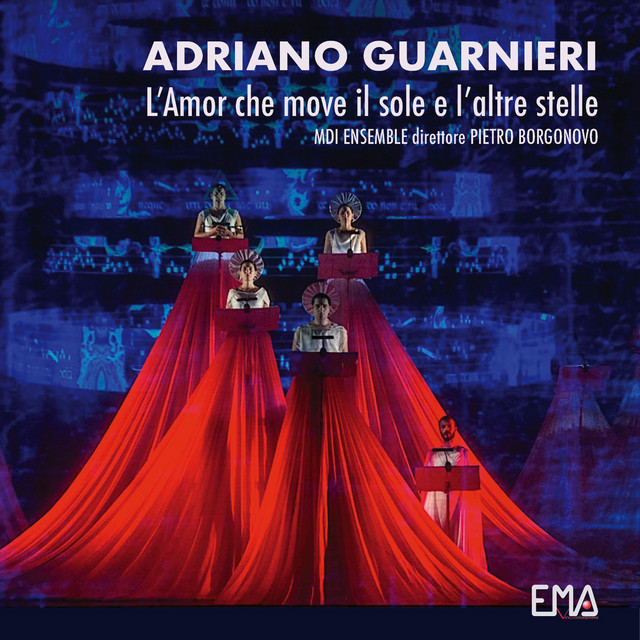
L'amor che move il sole e l'altre stelle
Adriano Guarnieri, Sonia Visentin, Claudia Pavone, Carlo Vistoli
Modern Performance
Similar artists
3
/5
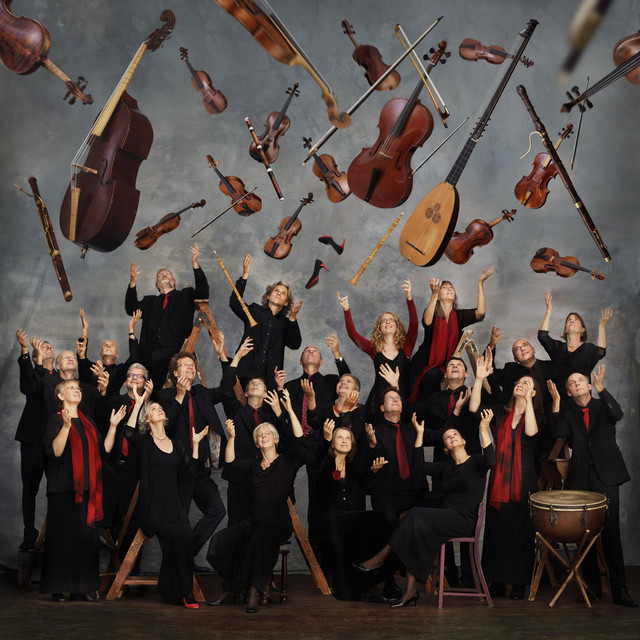
Akademie für Alte Musik Berlin
Baroque
Classical
Opera
3
/5
Raphael Pichon
Baroque
Classical
Choral
3
/5
Diego Fasolis
Baroque
Choral
Classical
2
/5
Herve Niquet
Tragédie En Musique
Baroque
Classical
2
/5
Ensemble Pygmalion
Baroque
Classical
Choral
2
/5
Le Concert Spirituel
Baroque
Classical
Opera
2
/5
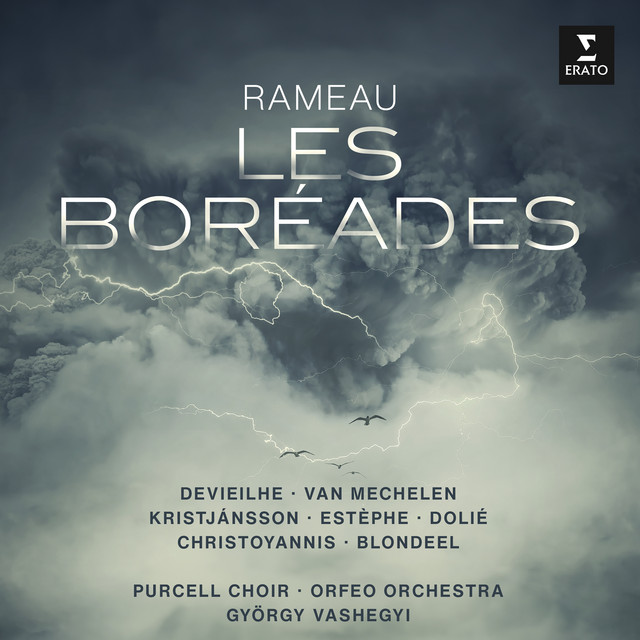
Orfeo Orchestra
Baroque
Opera
Baroque Singing
3
/5
Christopher Hogwood
Classical
Baroque
Concerto
2
/5
Emma Kirkby
Choral
Classical
Baroque
4
/5
Antonio Vivaldi
Baroque
Classical
Opera Seria
Download our mobile app
Get the Melodigging app and start digging for new genres on the go
Download on the App Store
Get it on Google Play
© 2026 Melodigging
Give feedback
Legal
Melodding was created as a tribute to
Every Noise at Once
, which inspired us to help curious minds keep digging into music's ever-evolving genres.