Genres
Artists
Albums
Make Music
Sign in
Sign in
Artists
Nuevo Tango
Artists
Nuevo Tango
Cáceres, Juan Carlos
1998
·
1 album
Listen
Genres
Nuevo Tango
Nuevo tango is a modernized form of Argentine tango that incorporates the harmony, counterpoint, and extended forms of Western classical music together with the rhythmic flexibility, improvisation, and ensemble language of jazz. Musically, it retains the dramatic phrasing, rubato, and accented articulation of traditional tango, but expands the palette with chromatic harmony, altered dominants, modal color, contrapuntal writing (often fugal), and more adventurous formal designs. Ensembles range from the classic orquesta típica (bandoneóns, strings, piano, bass) to chamber groups and jazz-inflected combos. While the musical current crystallized around Astor Piazzolla in the 1950s–60s, the dance interpretation called "tango nuevo" took shape in the 1980s, emphasizing open embraces, off-axis movements, and improvisational exploration aligned with the genre’s musical freedoms.
Discover
Listen
Jazz
Jazz is an improvisation-centered music tradition that emerged from African American communities in the early 20th century. It blends blues feeling, ragtime syncopation, European harmonic practice, and brass band instrumentation into a flexible, conversational art. Defining features include swing rhythm (a triplet-based pulse), call-and-response phrasing, blue notes, and extended harmonies built on 7ths, 9ths, 11ths, and 13ths. Jazz is as much a way of making music—spontaneous interaction, variation, and personal sound—as it is a set of forms and tunes. Across its history, jazz has continually hybridized, from New Orleans ensembles and big-band swing to bebop, cool and hard bop, modal and free jazz, fusion, and contemporary cross-genre experiments. Its influence permeates global popular and art music.
Discover
Listen
Tango
Tango is a song-and-dance music from the Río de la Plata region, crystallizing in Buenos Aires (Argentina) and Montevideo (Uruguay) in the late 19th century. It is characterized by a melancholic, dramatic tone; richly expressive melodies; and a distinctive rhythmic feel rooted in the habanera and milonga. Core ensembles feature bandoneón, violin(s), piano, double bass, and sometimes guitar, forming the famed orquesta típica. Across the 1920s–1950s it became a worldwide craze, moving from rough immigrant bars to grand salons and radio, developing highly sophisticated arranging and performance practices. Lyrics often employ lunfardo (Buenos Aires slang) and dwell on urban nostalgia, love, betrayal, and the neighborhood (el barrio). Note on terminology: in flamenco, “tangos” is a distinct palo (song form) with a lively 4/4 compás, often in A Phrygian, closely related in feeling to rumba flamenca. Although it shares the name and a spirited character, flamenco tangos is a different tradition from the Río de la Plata tango described above.
Discover
Listen
Albums
1998
2
/5
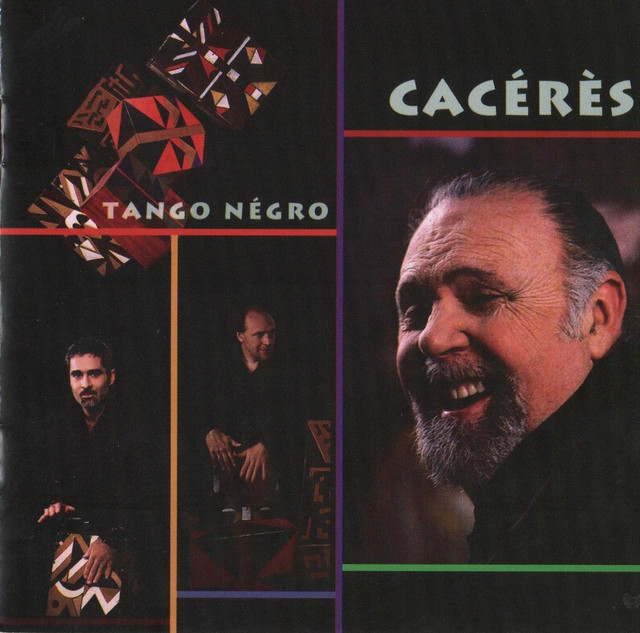
Tango Negro
Juan Carlos Caceres
Nuevo Tango
Similar artists
3
/5
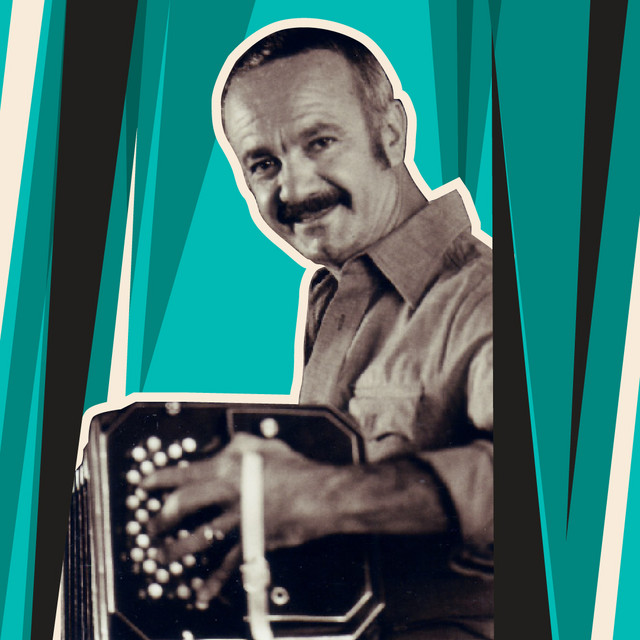
Astor Piazzolla
Nuevo Tango
Tango
Rioplatense Music
2
/5
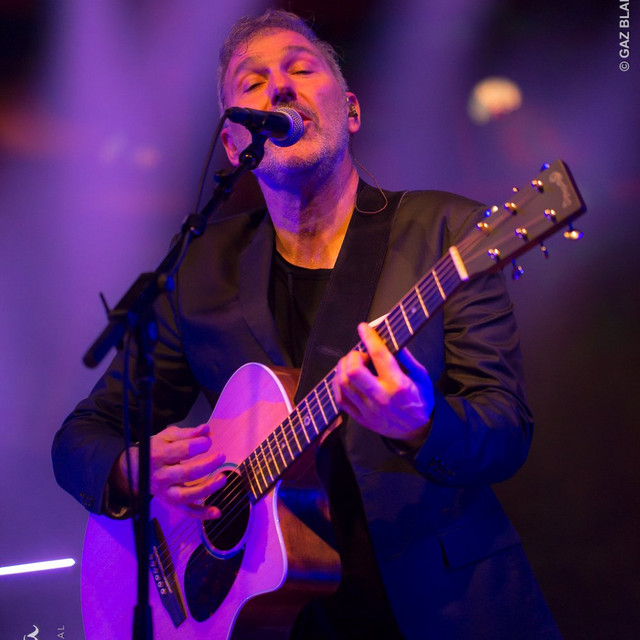
Otros Aires
Neotango
Nuevo Tango
Electrotango
2
/5
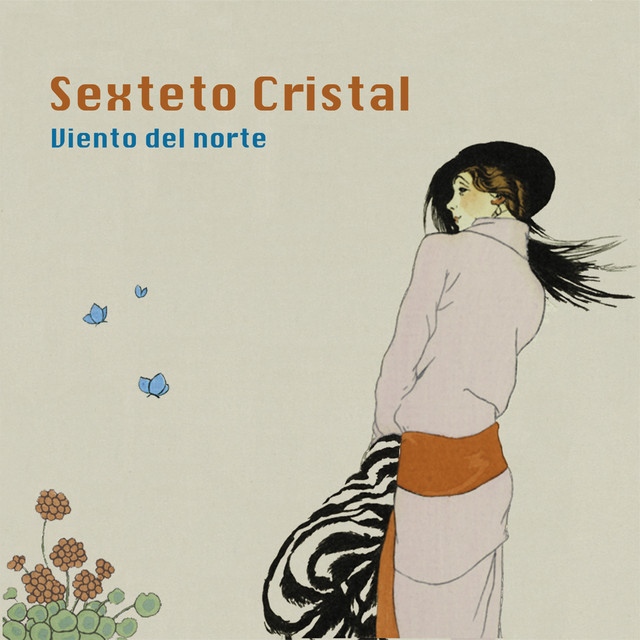
Sexteto Cristal
Nuevo Tango
Tango
2
/5
Solo Tango Orquesta
Nuevo Tango
Tango
2
/5
Conjunto Berretin
Candombe
Tango
Nuevo Tango
2
/5
Julieta Laso
Bolero
Candombe
Nuevo Tango
2
/5
Orquesta Típica Andariega
Nuevo Tango
Tango
2
/5
Hyperion Ensemble
Candombe
Tango
Nuevo Tango
2
/5
El Cachivache Quinteto
Nuevo Tango
Tango
2
/5
Juan Carlos Caceres
Candombe
Murga
Nuevo Tango
Download our mobile app
Get the Melodigging app and start digging for new genres on the go
Download on the App Store
Get it on Google Play
© 2026 Melodigging
Give feedback
Legal
Melodding was created as a tribute to
Every Noise at Once
, which inspired us to help curious minds keep digging into music's ever-evolving genres.