Genres
Artists
Albums
Make Music
Sign in
Sign in
Artists
Garage House
Artists
Garage House
Bodysync
2022–2024
·
2 albums
Listen
2
/5
Genres
Deep Deep House
Deep deep house is a late-evolution branch of deep house that emphasizes warmth, space, and subtlety over overt hooks or peak-time energy. Compared with classic deep house, it leans even more toward minimal, dub-inflected textures, extended harmonies, and long atmospheric tails. Tracks typically feature understated yet weighty low end, soft Rhodes or pad chords rich in 7ths/9ths, lightly swung percussion, and carefully sculpted ambience. The mood is intimate and immersive—club music that invites close listening as much as dancing—often suited to small rooms, lounges, after-hours sets, and sunset/sunrise moments.
Discover
Listen
Deep Funk Ostentacao
Deep funk ostentação is a moody, late‑night variant of São Paulo’s funk ostentação, emphasizing deeper sub‑bass, sparse percussion, and atmospheric pads while retaining the genre’s themes of luxury, status, and upward mobility. Compared with the brighter, EDM‑leaning hits of ostentação in the early 2010s, the “deep” approach strips arrangements down to hypnotic tamborzão grooves, 808 low‑end, and minimal, minor‑key synth motifs. Vocals often sit closer to the beat, with autotune and chant‑like hooks, but the lyrical focus remains on conspicuous consumption (cars, brands, nightlife) filtered through a more introspective, nocturnal aesthetic.
Discover
Listen
Deep Groove House
Deep Groove House is a modern house substyle centered on thick, rolling basslines, swung percussion, and soulful or disco-leaning motifs delivered with contemporary club production. It balances the warmth and musicality of classic and deep house with the punch and arrangement sensibilities of present-day tech-leaning club music. Hallmarks include a steady 4/4 kick (typically 122–126 BPM), syncopated bass grooves that drive the track rather than sit under it, crisp hi-hats with subtle swing, and tasteful use of organ stabs, piano chords, and filtered disco/funk samples. Vocals—when present—tend to be hooky but restrained, often chopped or looped to reinforce the groove rather than dominate it. As a playlist and DJ vernacular label, Deep Groove House crystallized around the 2010s, especially in UK- and EU-facing club culture, online stores, and label ecosystems that favored groove-first, dancefloor-ready house with deep and classic roots.
Discover
Listen
Diva House
Diva house is a vocal-forward strain of house music built around powerful, gospel-influenced “diva” performances, anthemic choruses, and uplifting, emotionally cathartic lyrics. It typically runs at 120–128 BPM with a four-on-the-floor kick, bright piano/organ chords, and crisp, hands-in-the-air percussion. The style blends Chicago/NY house foundations with disco and gospel’s call-and-response and key-change drama, creating club anthems centered on empowerment, love, and resilience. It is closely tied to LGBTQ+ club culture and Pride celebrations, where its big vocal hooks and communal energy thrive. Classic diva house records often feature sophisticated songcraft and radio-friendly structures while remaining tailored for extended dancefloor mixes.
Discover
Listen
Euro House
Euro house is a commercially oriented branch of house music that crystallized in continental Europe in the early 1990s. It blends the four-on-the-floor rhythms and club structure of house with the glossy melodies, big hooks, and pop accessibility of European chart music. Characterized by bright piano/organ stabs (often from the Korg M1), prominent diva-style vocals or chant-like hooks, punchy 909/808 drum programming, and uplifting chord progressions, euro house aimed squarely at radio and mainstream dancefloors. It often overlaps with early Eurodance, but tends to keep closer to straight house grooves and fewer rap verses. The style was driven largely by Italian, German, Belgian, and British producers and labels, delivering high-energy tracks that translated equally well to clubs, TV music shows, and pan-European charts.
Discover
Listen
Hardbag
Hardbag is a mid‑1990s strand of UK club house that toughened up the glossy, vocal‑led “handbag”/diva house sound. It kept the 4/4 stomp and piano/organ stabs of handbag house but swapped full diva performances for short hooks and chants, and pushed the drums, bass, and rave‑style synth stabs much harder. Emerging around 1993–1994 from the handbag house scene, hardbag briefly crossed into the UK charts in 1995–1996. It was occasionally confused with nu‑NRG at the time, but the styles are distinct: hardbag is chunkier, more house‑grooved and pop‑friendly, whereas nu‑NRG is faster, more relentless, and trance‑tinted.
Discover
Listen
Uk Garage
UK garage is a British evolution of US garage/house that emerged in the mid-to-late 1990s around London’s pirate radio, record shops, and clubs. It is characterized by shuffling, syncopated rhythms, swung hi‑hats, crisp snares, and a pronounced sense of groove at roughly 130–138 BPM. The style blends house’s soulful chords and R&B vocals with jungle/drum & bass sound-system bass weight, often featuring chopped and time‑stretched vocal samples, organ/piano stabs, and warm Rhodes textures. Two major strands formed: 4x4 (straight four-on-the-floor with heavy swing) and 2‑step (broken kick patterns that avoid a constant four-on-the-floor). MC toasting and call‑and‑response vocals became a signature of the scene. Substyles include speed garage (darker, bass‑heavier, often with wobbly LFO bass) and 2‑step (sparser, more syncopated drums). UK garage’s club‑ready energy and vocal sensibility propelled it into the mainstream and laid the groundwork for grime, dubstep, bassline, and UK funky.
Discover
Listen
Garage House
Garage house (often called US garage or New York/New Jersey garage) is a soulful, vocal-driven strain of house music that coalesced around the Paradise Garage in New York and the Zanzibar in Newark in the mid-to-late 1980s. It blends the four-on-the-floor pulse of early house with the lush orchestration and harmonies of disco, boogie, Philly soul, gospel, and contemporary R&B. Typical tracks feature warm chords (piano, Rhodes, or the Korg M1 organ), call-and-response vocals, syncopated basslines, shuffling hi-hats, and rich, uplifting arrangements designed for extended club mixes. Where Chicago house often emphasized minimal drum-machine jack tracks, garage house foregrounded songcraft—hooks, bridges, key changes, and church-influenced vocal performances—giving the genre a deeply emotive, dancefloor-focused character.
Discover
Listen
House
House is a dance music genre that emerged in Chicago in the early 1980s, defined by a steady four-on-the-floor kick drum, off-beat hi-hats, soulful or hypnotic vocals, and groove-centric basslines. Typical tempos range from 118–130 BPM, and tracks are structured in DJ-friendly 16–32 bar phrases designed for seamless mixing. Drawing on disco’s celebratory spirit, electro-funk’s drum-machine rigor, and Italo/Hi-NRG’s synth-led sheen, house prioritizes repetition, tension-and-release, and communal energy on the dancefloor. Its sound palette often includes 808/909 drums, sampled or replayed disco/funk elements, filtered loops, piano/organ stabs, and warm, jazzy chords. Over time, house diversified into many substyles—deep house, acid house, French house, tech house, progressive house, and more—yet it remains a global foundation of club culture, known for emphasizing groove, inclusivity, and euphoria.
Discover
Listen
Dance
Dance (as a broad, mainstream club- and radio-oriented style) is pop-leaning music designed primarily for dancing, characterized by steady, driving beats, catchy hooks, and production that translates well to nightclubs and large sound systems. It emerged after disco, blending four-on-the-floor rhythms with electronic instrumentation and pop songwriting, and it continually absorbs elements from house, techno, Hi-NRG, synth-pop, and later EDM. Tempos commonly fall between 110–130 BPM, vocals often emphasize memorable choruses, and arrangements are structured for both club mixing and mass appeal.
Discover
Listen
Electronic
Electronic is a broad umbrella genre defined by the primary use of electronically generated or electronically processed sound. It encompasses music made with synthesizers, drum machines, samplers, computers, and studio/tape techniques, as well as electroacoustic manipulation of recorded or synthetic sources. The genre ranges from academic and experimental traditions to popular and dance-oriented forms. While its sonic palette is rooted in electricity and circuitry, its aesthetics span minimal and textural explorations, structured song forms, and beat-driven club permutations. Electronic emphasizes sound design, timbre, and studio-as-instrument practices as much as melody and harmony.
Discover
Listen
Show all 11 genres
Albums
2024
1
/5
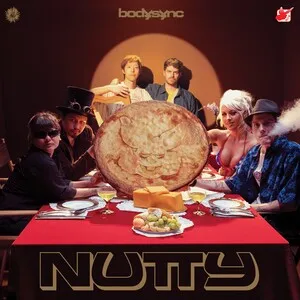
Nutty
Bodysync
Hardbag
Euro House
Diva House
2022
1
/5
Radio Active
Bodysync
Garage House
Uk Garage
Similar artists
3
/5
Giraffage
Vaportrap
Chillwave
Future Bass
3
/5
Ryan Hemsworth
Garage House
Lo-Fi Indie
Dance
1
/5
Various Artists
Afro-Funk
Alternative Rock
Ambient
4
/5
Robin S
Diva House
Covertronica
Electronic
3
/5
M People
Diva House
Sophisti-Pop
Dance
4
/5
Ultra Naté
Garage House
Vocal House
Diva House
3
/5
Honey Dijon
Garage House
Ballroom Vogue
Indie Soul
3
/5
Todd Edwards
Garage House
Uk Garage
Speed Garage
3
/5
Adeva
Garage House
Diva House
Speed Garage
5
/5
David Guetta
Dance
Electronic
House
Download our mobile app
Get the Melodigging app and start digging for new genres on the go
Download on the App Store
Get it on Google Play
© 2026 Melodigging
Give feedback
Legal
Melodding was created as a tribute to
Every Noise at Once
, which inspired us to help curious minds keep digging into music's ever-evolving genres.