Genres
Artists
Albums
Make Music
Sign in
Sign in
Artists
Doo-Wop
Artists
Doo-Wop
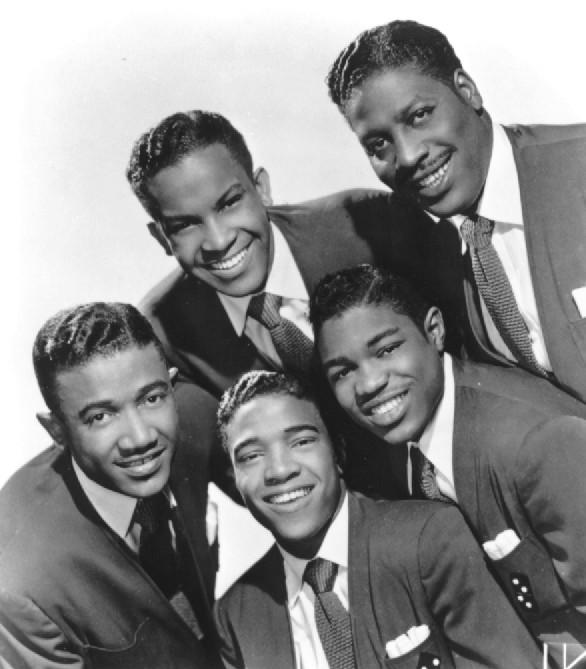
Billy Ward & The Dominoes
1950
·
1 album
Listen
2
/5
Genres
Gamecore
Gamecore is an internet-native electronic microgenre that fuses the timbres, melodies, and narrative tropes of classic and modern video game music with contemporary EDM songcraft. Its palette leans heavily on chiptune waveforms (square, triangle, noise), retro console/arcade sound effects, and leitmotif-style hooks, but frames them within club-forward rhythms and sound design drawn from electro house, future bass, glitch hop, dubstep, and drum & bass. The result is a bright, kinetic, and often nostalgic sound that feels like a “boss battle” drop or a euphoric level clear. Scenes and labels tied to VGM remix culture, doujin circles, and demoscene aesthetics helped codify the style, while streamers, esports content, and indie game culture amplified its reach.
Discover
Listen
Doo-Wop
Doo-wop is a vocal harmony–driven style of rhythm and blues that blossomed in mid-century urban America. Built around lead-tenor melodies, lush background harmonies, and playful nonsense syllables (the source of its name), the genre blends church-bred gospel techniques with street-corner spontaneity. Musically, doo-wop favors simple, singable chord cycles—especially the “’50s progression” (I–vi–IV–V)—a steady 4/4 or lilting 12/8 feel, and call-and-response between lead and backing parts. Arrangements range from a cappella to small combos with guitar, piano, bass, light drums, and occasional saxophone. Lyrically, the songs are often teen-centered: romance, longing, heartbreak, and devotion. The sound emerged in the late 1940s within African-American communities and soon resonated across ethnic lines, inspiring groups in cities such as New York, Philadelphia, Chicago, Detroit, and Los Angeles. Its polished harmonies, sweet ballads, and hooky refrains helped shape early rock and roll and later pop harmony traditions.
Discover
Listen
Vocal Harmony Group
A vocal harmony group is an ensemble—typically three to five singers—whose defining “instrument” is multi‑part vocal harmony, often arranged in close or block voicings and presented either a cappella or with light accompaniment. Its lineage fuses late‑19th‑century barbershop part‑singing with the African American jubilee/gospel quartet tradition, and crystallizes in the 1930s–40s with popular groups that brought sophisticated blend and part‑writing to mainstream radio and records. Common musical markers include stacked triads and 7ths within an octave, a clearly profiled lead voice supported by tenor/alto/baritone/bass roles, call‑and‑response riffs, unison “pad” lines for blend, and (in doo‑wop derived settings) nonsense syllables functioning as rhythmic accompaniment. The style adapts flexibly across eras—from swing and traditional pop to doo‑wop, Motown soul, harmony‑rich rock, and contemporary a cappella.
Discover
Listen
Albums
1950
Sixty Minute Man
Billy Ward & The Dominoes
Vocal Harmony Group
Similar artists
3
/5
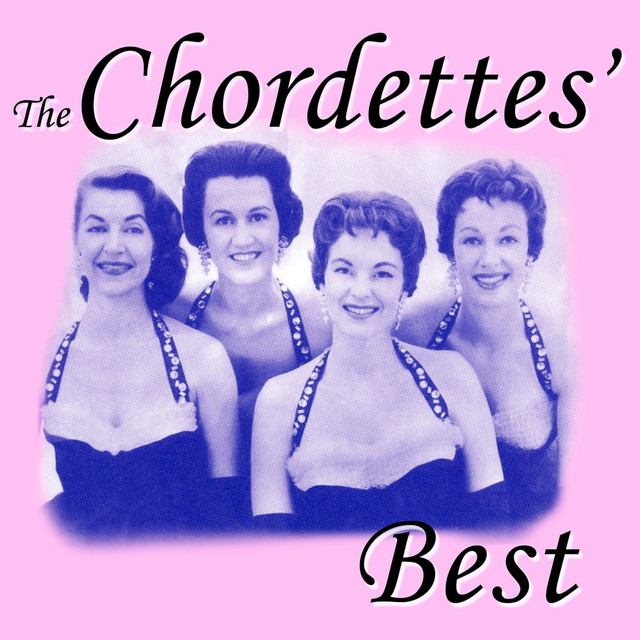
The Chordettes
Barbershop
Doo-Wop
Classic Girl Group
3
/5
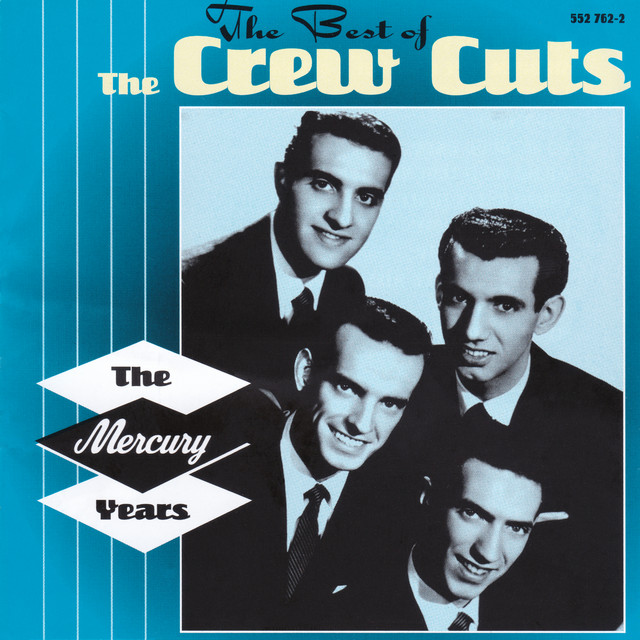
The Crew Cuts
Doo-Wop
Vocal Harmony Group
Pov: Indie
3
/5
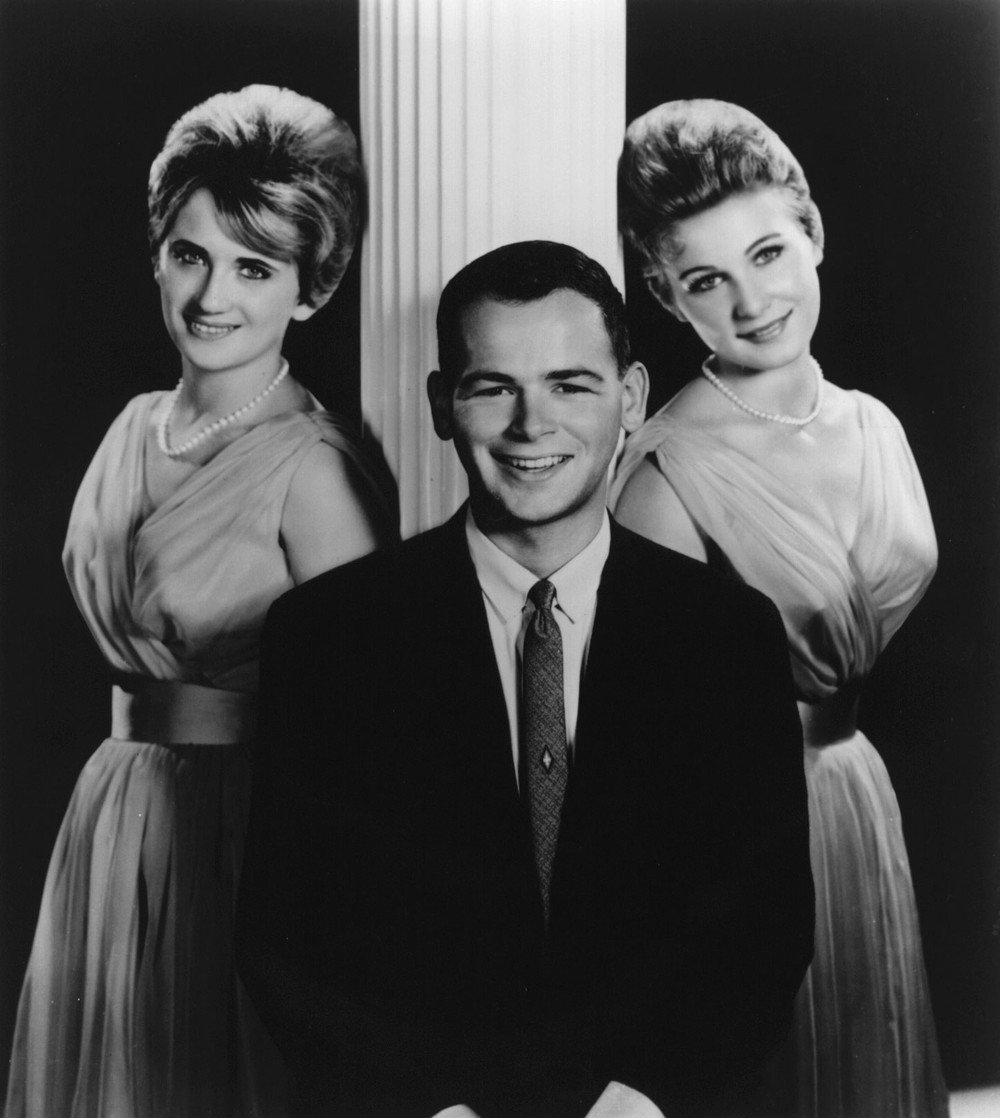
The Fleetwoods
Doo-Wop
Adult Standards
Vocal Harmony Group
2
/5
The Four Aces
Adult Standards
Doo-Wop
Vocal Harmony Group
2
/5
The Four Freshmen
Barbershop
Adult Standards
Doo-Wop
2
/5
The Four Preps
Doo-Wop
Vocal Harmony Group
1
/5
The Ravens
Doo-Wop
Vocal Harmony Group
R&b
1
/5
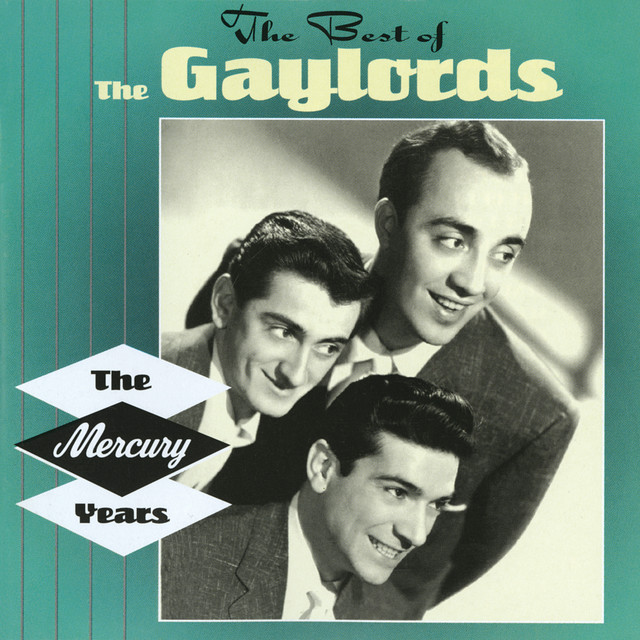
The Gaylords
Doo-Wop
Vocal Harmony Group
1
/5
Various Artists
Soundtrack
Afro-Funk
Alternative Rock
4
/5
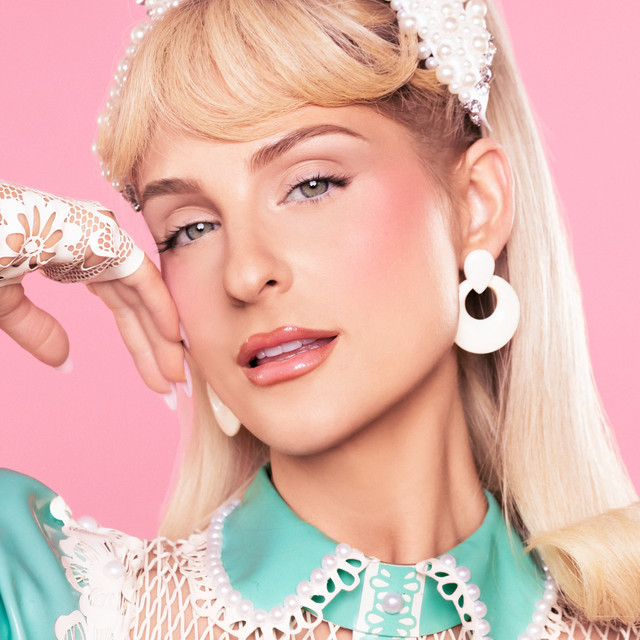
Meghan Trainor
Hip Pop
Doo-Wop
Pop
Download our mobile app
Get the Melodigging app and start digging for new genres on the go
Download on the App Store
Get it on Google Play
© 2026 Melodigging
Give feedback
Legal
Melodding was created as a tribute to
Every Noise at Once
, which inspired us to help curious minds keep digging into music's ever-evolving genres.