Genres
Artists
Albums
Make Music
Sign in
Sign in
Artists
Afro Drill
Artists
Afro Drill
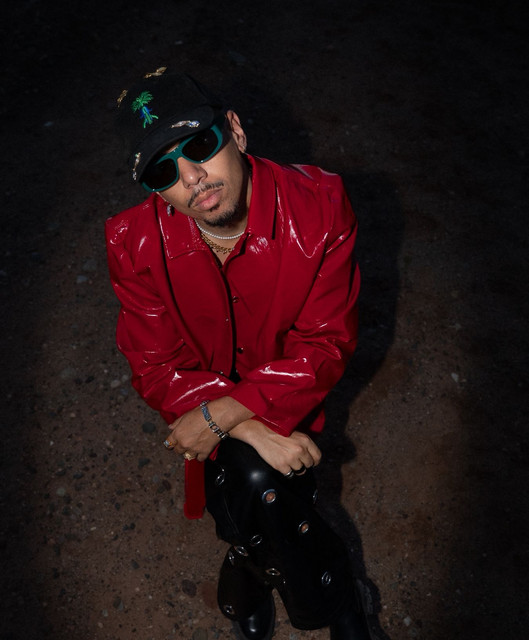
Benny Adam
Listen
3
/5
Genres
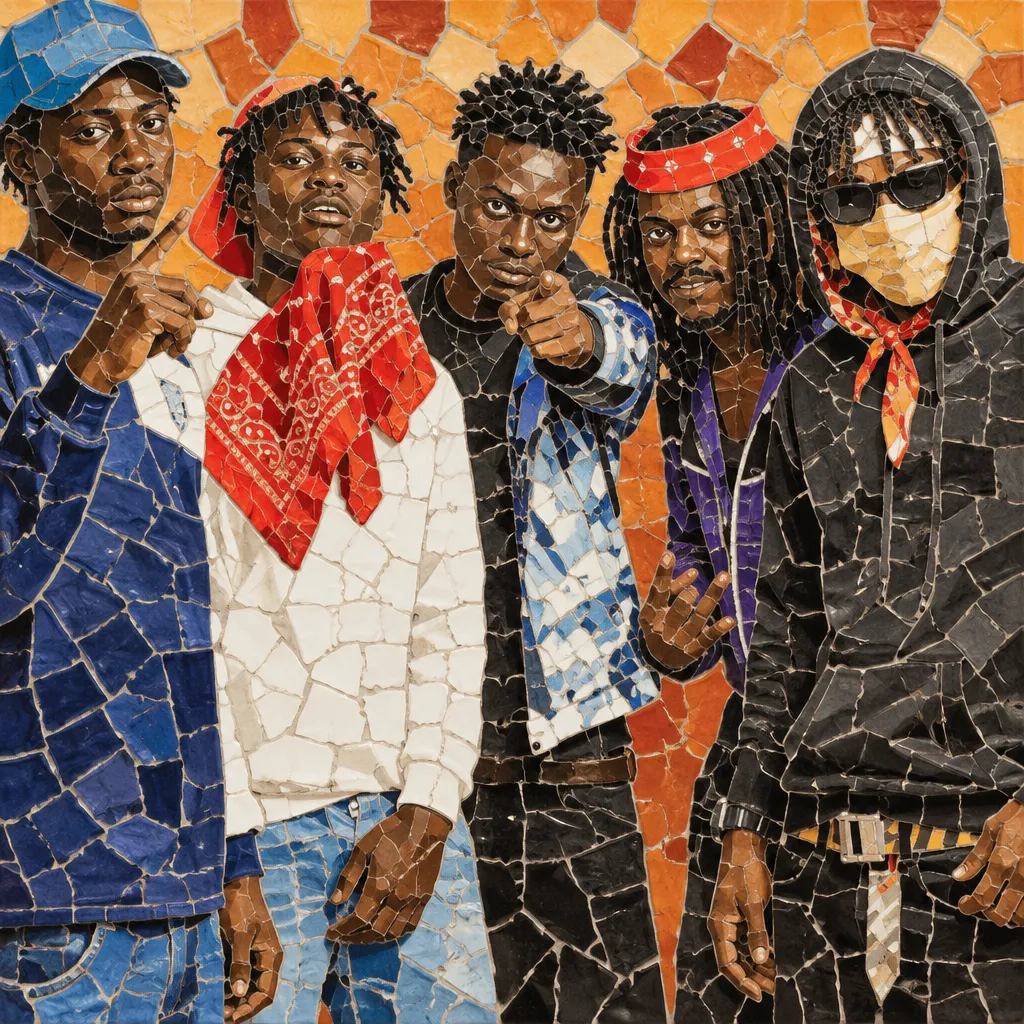
Afro Drill
Afro drill is a regionalized form of drill that fuses the gritty, sliding-808 sonics and half‑time bounce of UK/Chicago drill with African rhythmic feel, languages, and street narratives. Born around the turn of the 2020s in Ghana (popularly called the Asakaa movement) and quickly echoed across other African scenes and diasporas, it retains drill’s cold, minor‑key atmosphere while introducing Afrobeats/highlife‑tinged melodies, syncopated percussion, and local flows in Twi, Ghanaian Pidgin, Yoruba, Sheng, and more. The result is music that is simultaneously raw and danceable—dark, street‑level storytelling delivered with regional slang and call‑and‑response hooks, framed by modern drill drum programming and African groove sensibilities.
Discover
Listen
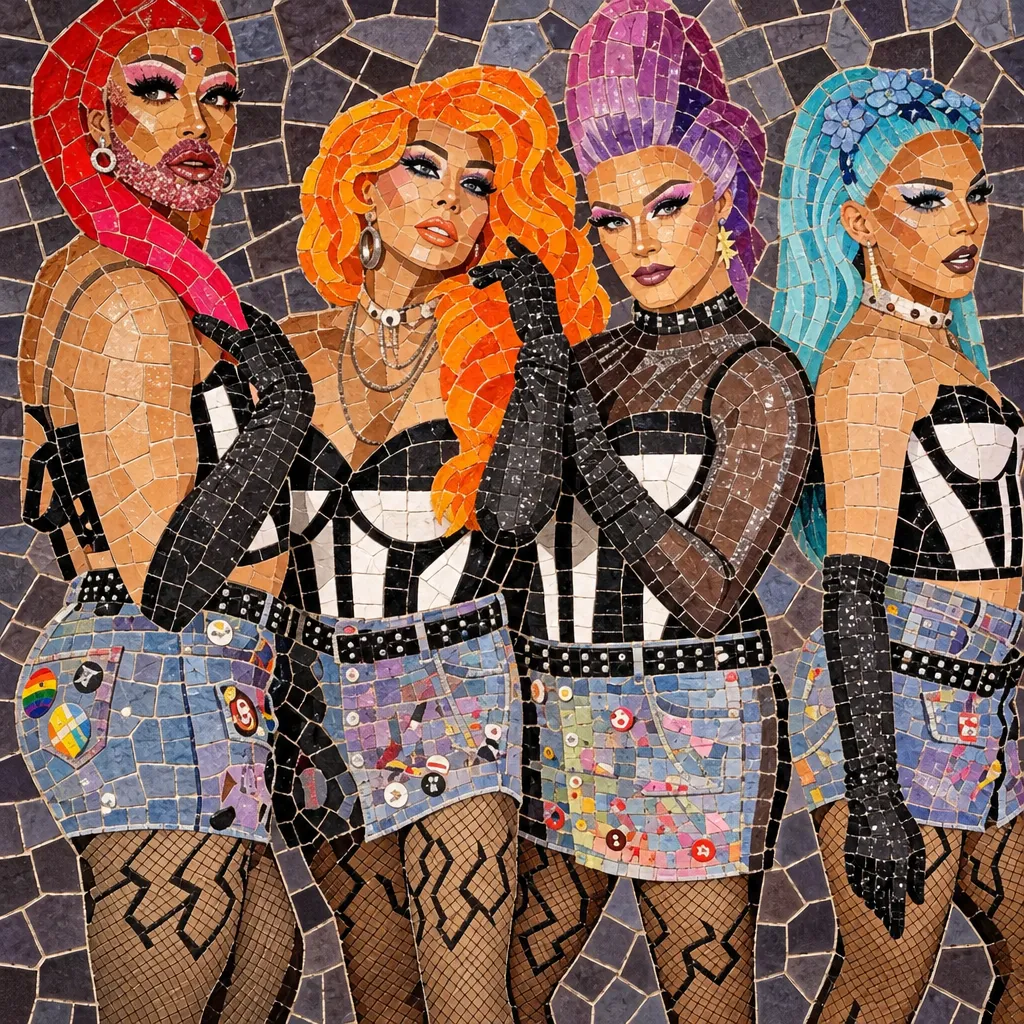
Draga
Draga is a Spanish‑language drag‑pop scene centered in Mexican queer nightlife and online culture. It blends high‑camp theatrics, witty and often satirical lyrics, and club‑ready production informed by electropop, reggaeton/dembow, moombahton, and ballroom vogue aesthetics. Tracks are typically hook‑driven and performance‑oriented—designed to work both as standalone pop singles and as lip‑sync or live show centerpieces. Vocals often mix melodic choruses with spoken attitude, ad‑libs, and punchline‑style one‑liners. The sound palette favors glossy synths, bouncy low‑end, clap‑heavy reggaeton grooves, and big, glittering drops, while visuals and persona are inseparable from the music’s meaning and impact.
Discover
Listen
Pop Urbaine
Pop urbaine is a French mainstream pop style that blends contemporary R&B, hip hop, Afrobeats, dancehall, zouk, raï, and reggaeton with chart‑friendly songwriting. It emphasizes melodic hooks, mid‑tempo grooves, and sleek vocal production (often with Auto‑Tune) while foregrounding everyday, romantic, and nightlife themes in colloquial French. Rhythmically it favors syncopated Afro‑Caribbean patterns, sparse but bouncy 808 drums, and light guitar or synth plucks, creating a buoyant, danceable feel without the aggressiveness of club music. Vocals typically alternate between sung refrains and rap‑influenced verses, with catchy refrains designed for streaming and social media virality. The genre became a defining sound of French popular culture in the late 2010s, driven by a new generation of Francophone artists with diasporic roots who globalized French pop while keeping its language and local slang at the center.
Discover
Listen
Moroccan Pop
Moroccan pop is contemporary, radio‑friendly music from Morocco that blends North African rhythms and modes with global pop craft. It draws on chaabi street grooves, gnawa bass patterns, and Andalusian ornamentation while embracing glossy production, catchy toplines, and dance‑floor energy. Sung primarily in Moroccan Arabic (Darija), it often weaves in French, Standard Arabic, Amazigh (Tamazight), and occasional English phrases. The sound palette ranges from darbuka, bendir, and qraqeb to modern drum machines, synths, and Auto‑Tune, yielding sleek hooks that sit comfortably between Arab pop, French pop, R&B, hip hop, EDM, and, more recently, reggaeton and Afro‑leaning rhythms.
Discover
Listen
Moroccan Rap
Moroccan rap is a hip hop movement from Morocco that blends American rap foundations with North African rhythms, melodies, and street vernaculars. It is primarily performed in Darija (Moroccan Arabic), often mixed with French, Modern Standard Arabic, and Tamazight, creating a distinct linguistic and cultural voice. Musically, the style draws on trap and boom-bap production while sampling or referencing local sources such as gnawa grooves, chaabi claps, and raï-adjacent melodic turns. Lyrically it ranges from sharp social critique and political commentary to autobiographical storytelling, swaggering bravado, and urban poetry reflecting the realities of Moroccan cities and the diaspora.
Discover
Listen
Rap Québécois
Rap québécois is the French-language hip hop of Quebec, Canada, characterized by its distinct blend of local slang (joual), French, English code-switching, and influences from the province’s diverse diasporas (notably Haitian and Maghrebi communities). It places a strong emphasis on identity, language politics, and everyday urban realities, often folding in humor, sharp wordplay, and regional references. Musically, it spans sample-based boom bap and jazz-inflected beats to trap, drill, and club-ready hybrids. Crews and collectives have long driven its scene culture, while battles, cyphers, and a thriving live circuit in Montreal and Quebec City helped forge an unmistakable flow, accent, and attitude that set it apart from both U.S. and European francophone rap.
Discover
Listen
Moroccan Chaabi
Moroccan chaabi is Morocco’s modern popular music, a lively, community-centered style that blends Andalusi melodic heritage, sung poetry (malhun), rural aita vocal traditions, Amazigh rhythmic sensibilities, and Gnawa grooves. It is the soundtrack of weddings and street celebrations, prized for its danceable pulse, catchy refrains, and call-and-response singing. Typically led by violin (kamanja) and oud with a strong hand-percussion core (bendir, taarija, darbuka), chaabi arrangements ride buoyant 6/8 and 2/4 feels. Lyrics move between romance, satire, and social commentary, delivered with ornamented vocals and spontaneous audience interaction.
Discover
Listen
Raï
Raï is a popular music genre from the port city of Oran (Wahran), Algeria, whose name comes from the colloquial Arabic word for "opinion" or "point of view." It began as a raw, vernacular form of urban song led by cheikhas (female singer-performers) accompanied by gasba flute and guellal drum, addressing everyday life, love, alcohol, social hypocrisy, and desire with unusual frankness. Across the 1970s and 1980s, raï electrified: acoustic ensembles and Bedoui/chaabi-rooted melodies merged with electric guitar, synthesizers, drum machines, and global dance grooves (funk, disco, reggae, and pop). This produced the internationally famous “pop raï” sound—at once danceable and emotionally direct—carried by stars such as Khaled, Cheb Mami, Cheb Hasni, and Cheikha Rimitti. Today, raï remains a living tradition and a flexible pop form, equally at home with traditional gasba/guellal timbres and glossy electronic production, while its lyrics continue to alternate between hedonistic celebration and aching nostalgia for home and lost love.
Discover
Listen
Show all 8 genres
Similar artists
3
/5
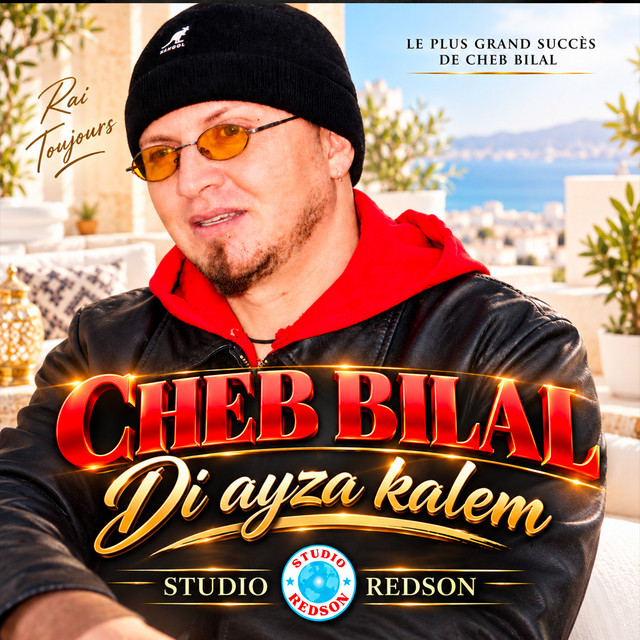
Cheb Bilal
Gnawa
Moroccan Chaabi
Moroccan Pop
3
/5
Mounim Slimani
Moroccan Chaabi
Moroccan Pop
Moroccan Rap
3
/5
Lazaro
Moroccan Chaabi
Moroccan Pop
Moroccan Rap
3
/5
RYM
Moroccan Chaabi
Moroccan Pop
Moroccan Rap
3
/5
Reda Taliani
Algerian Chaabi
Moroccan Chaabi
Moroccan Pop
3
/5
Duke
Arabic Hip Hop
Moroccan Chaabi
Moroccan Pop
3
/5
Mehdi Mozayine
Moroccan Chaabi
Moroccan Pop
Moroccan Rap
3
/5
Muslim
Arabic Hip Hop
Moroccan Chaabi
Moroccan Pop
3
/5
Douaa Lahyaoui
Moroccan Chaabi
Moroccan Pop
Moroccan Rap
3
/5
Bilal Assarguini
Moroccan Chaabi
Moroccan Pop
Moroccan Rap
Download our mobile app
Get the Melodigging app and start digging for new genres on the go
Download on the App Store
Get it on Google Play
© 2026 Melodigging
Give feedback
Legal
Melodding was created as a tribute to
Every Noise at Once
, which inspired us to help curious minds keep digging into music's ever-evolving genres.