Genres
Artists
Albums
Make Music
Sign in
Sign in
Artists
Avar Folk Music
Artists
Avar Folk Music
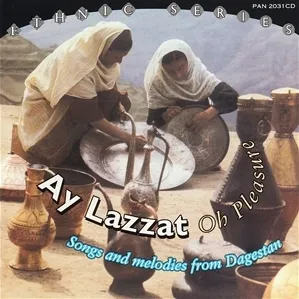
Ay Lazzat
1995
·
1 album
Listen
Genres
Caucasian Folk Music
Caucasian folk music encompasses the traditional vocal and instrumental practices of the South and North Caucasus, especially Georgia, Armenia, Azerbaijan, and the North Caucasian republics. It is characterized by striking vocal techniques (from Georgian multipart polyphony to highly ornamented bardic song), modal melodies, and asymmetrical “aksak” meters. Hallmarks include robust drone-based polyphony and parallel fourths/fifths in Georgian song; the plaintive timbre of the Armenian duduk; the modal, melismatic art of ashugh/ashiq bards; and exuberant dance tunes like the pan-Caucasian lezginka. Common instruments include duduk/balaban and zurna (double reeds), salamuri (flute), tulum (bagpipe), panduri and chonguri (Georgian lutes), saz and tar (long- and short-necked lutes), kamancha (spike fiddle), garmon (button accordion), and doli/nagara (frame and kettle drums). Themes often evoke mountains, hospitality, heroism, love, exile, and epic memory. The music’s blend of polyphony, maqam/makam-derived modality, and complex rhythms (5/8, 7/8, 9/8, 10/8) gives it a dramatic, communal, and highly kinetic character—equally at home in intimate gatherings and staged ensembles.
Discover
Listen
Caucasian Music
Caucasian music is an umbrella term for the traditional and popular musics of the Caucasus—primarily Georgia, Armenia, Azerbaijan, and the North Caucasus republics. It binds together diverse vocal and instrumental practices, from Georgian multipart folk polyphony to Armenian duduk laments and Azerbaijani mugham improvisation, as well as the fast, athletic dance music of the North Caucasus. Common features include prominent vocal traditions (solo ashugh/bardic song and powerful choirs), drones and parallel intervals, ornamented melodic lines with melisma, and flexible or asymmetric meters such as 5/8, 7/8, and 9/8. Instruments often include the duduk/balaban and zurna (double-reed aerophones), tar and saz (plucked lutes), kamancha (bowed fiddle), panduri and chonguri (Georgian lutes), garmon/accordion, and a range of drums (doli, dap, nağara). Historically situated at a crossroads, Caucasian music reflects layers of influence from Byzantine/Orthodox chant, Persian and Turkish modal systems, and Slavic/Russian art-folk idioms. In modern times it encompasses both preserved rural repertoires and urban fusions that place traditional timbres in jazz, rock, and electronic settings.
Discover
Listen
Dagestani Folk Music
Dagestani folk music encompasses the traditional musics of the Republic of Dagestan in the North Caucasus, where dozens of ethnic groups (Avar, Dargin, Lezgi, Kumyk, Lak, Tabasaran, Rutul, Tsakhur, Nogai, and others) have distinct yet interrelated styles. Its core sound blends high‑energy dance rhythms (especially for the pan‑Caucasian lezginka) with ornamented, modal singing. Lead instruments often include the zurna/surnai and balaban double reeds, the kamancha bowed lute, and the garmon (Caucasian button accordion), supported by drums such as the naghara/dhol and frame drums (dap/ghaval). Saz‑type long‑neck lutes and shepherd flutes (tutek/kaval) are also heard. Textures are typically heterophonic, with drones and tight unison lines embellished individually. The music is deeply functional—performed at weddings, communal celebrations, warrior/epic recitations, and seasonal or religious occasions—while retaining strong Islamic and maqam/mugham inflections in vocal style and melody.
Discover
Listen
Avar Folk Music
Avar folk music is the traditional music of the Avar people of the North Caucasus (primarily in present‑day Dagestan, Russia). It encompasses heroic narrative songs, wedding and dance repertories, lullabies, work songs, and spiritual chants tied to Sufi practices. Musically, it leans on modal melody, heterophonic or unison group singing, and lively dance rhythms. Instruments commonly include piercing double‑reed shawms (zurna/surnai), various drums (frame drums and double‑headed cylindrical drums), and, since the 19th–20th centuries, button accordions (garmon) in village ensembles. Dance tunes often resemble or intermix with the wider Caucasian “lezginka” family, featuring brisk tempos and driving percussion. Textually, lyrics are typically in the Avar language and center on mountain life, community values, hospitality, bravery, historical memory, love, and spiritual devotion.
Discover
Listen
Albums
1995
1
/5
Ay lazzat / Oh Pleasure: Songs and Melodies From Dagestan
Avar Folk Music
Dagestani Folk Music
Caucasian Folk Music
Similar artists
3
/5
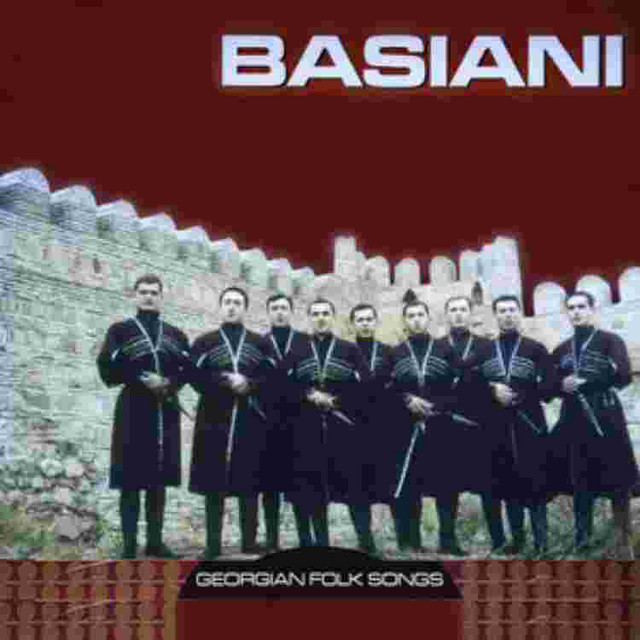
Basiani Ensemble
Georgian Folk Music
Traditional Folk
Traditional Music
2
/5
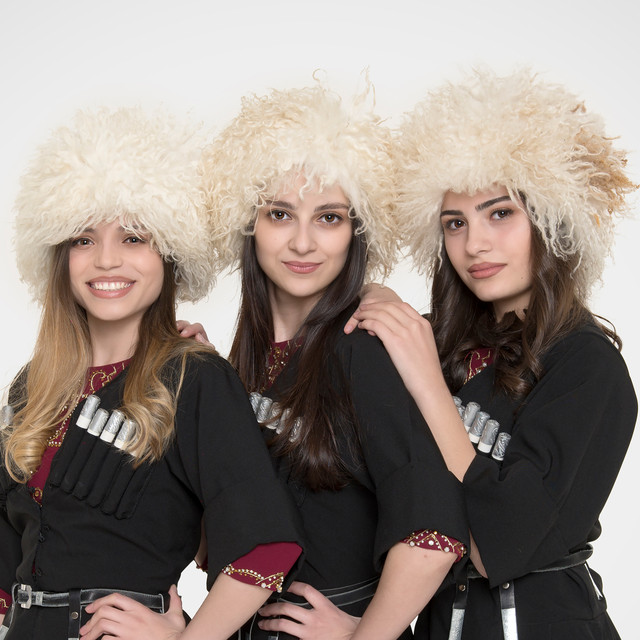
Trio Mandili
Georgian Folk Music
Traditional Music
Caucasian Folk Music
2
/5
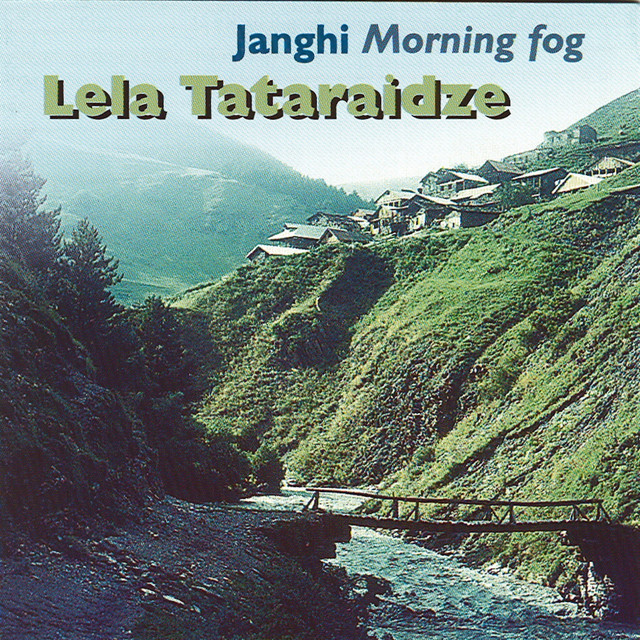
Lela Tataraidze
Traditional Music
Caucasian Folk Music
Caucasian Music
2
/5
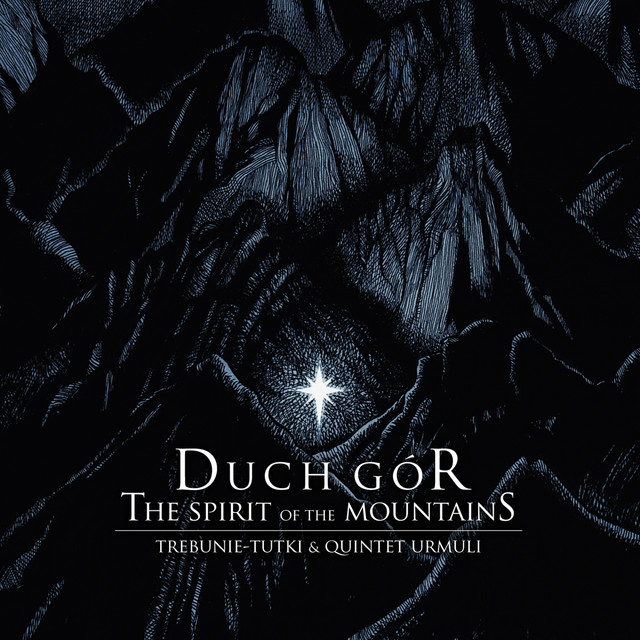
Trebunie-Tutki
Polish Goral Music
Goral Music
Caucasian Folk Music
2
/5
Имам Алимсултанов
Caucasian Folk Music
Caucasian Music
Chechen Folk Music
2
/5
The Rustavi Choir
Georgian Folk Music
Caucasian Folk Music
Caucasian Music
1
/5
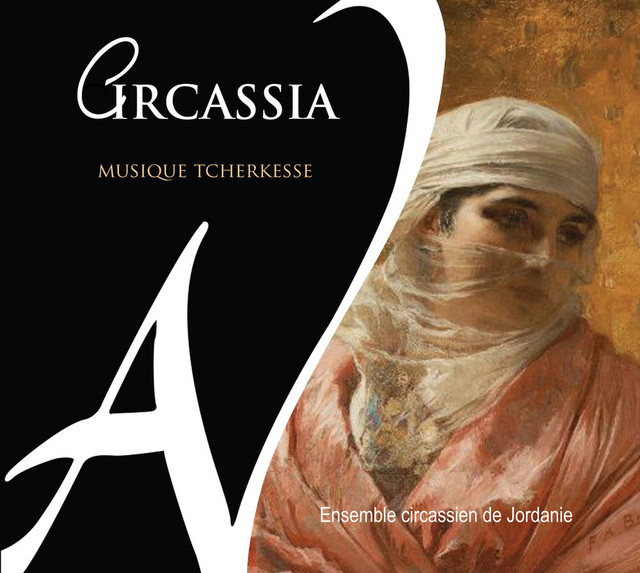
Ensemble circassien de Jordanie
Caucasian Folk Music
Caucasian Music
Circassian Folk Music
1
/5
Quintet Urmuli
Caucasian Folk Music
Caucasian Music
Folk
1
/5
Giorgi Mikadze
Caucasian Folk Music
Caucasian Music
Georgian Folk Music
1
/5
Jrpjej
Caucasian Folk Music
Caucasian Music
Circassian Folk Music
Download our mobile app
Get the Melodigging app and start digging for new genres on the go
Download on the App Store
Get it on Google Play
© 2026 Melodigging
Give feedback
Legal
Melodding was created as a tribute to
Every Noise at Once
, which inspired us to help curious minds keep digging into music's ever-evolving genres.