Genres
Artists
Albums
Make Music
Sign in
Sign in
Artists
Bossa Nova
Artists
Bossa Nova
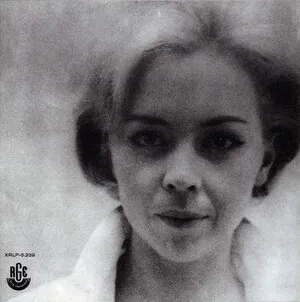
Ana Lúcia
1960–1964
·
2 albums
Listen
1
/5
Genres
Bossa Nova
Bossa nova is a Brazilian popular music style that emerged in Rio de Janeiro in the late 1950s, blending samba’s syncopated pulse with the harmonic sophistication and understated cool of jazz. It is characterized by intimate, almost whispered vocals; a nylon‑string guitar playing the distinctive batida (a gently syncopated, two-beat accompaniment); subtle, brushed percussion; and lush, extended jazz harmonies. The mood is relaxed, refined, and full of saudade—a bittersweet sense of longing—often evoking images of Rio’s beaches, nightclubs, and urban modernity.
Discover
Listen
Brazilian Jazz
Brazilian jazz is the meeting point of Brazilian popular music and North American jazz, blending samba and bossa nova rhythms with jazz harmony, improvisation, and ensemble interaction. The style typically features syncopated Brazilian grooves (samba, bossa, partido‑alto) under extended jazz chord voicings and lyrical melodies. Acoustic guitar or piano often supplies a gently propulsive, off‑beat rhythmic bed, while bass and drums translate samba’s surdo and pandeiro patterns to the jazz rhythm section. Timbres range from intimate (nylon‑string guitar, brushed drum kit, flute) to expansive (full percussion batteries, horns, and electric keys). The overall feel can be both laid‑back and danceable—romantic yet harmonically sophisticated.
Discover
Listen
Samba-Canção
Samba-canção is a Brazilian song style that slows down the rhythmic drive of samba and foregrounds a crooning, intimate vocal delivery. It is characterized by sentimental, often bittersweet lyrics (the famed dor-de-cotovelo "broken‑hearted" ethos), lyrical melodies, and harmonically rich progressions that anticipate the sophistication later associated with bossa nova. Arrangements typically feature voice with piano or guitar, plus subtle percussion and, in many classic recordings, strings or small orchestra. While it retains samba’s syncopated feel, the groove is gentler and more rubato-friendly, favoring mood and storytelling over dancefloor propulsion.
Discover
Listen
Samba-Exaltação
Samba-exaltação is a grand, anthem-like branch of Brazilian samba that emerged in the late 1930s. It blends the syncopated swing of samba with march-like accents, sweeping orchestral arrangements, and large choral refrains to create an uplifting, patriotic atmosphere. Lyrically, it exalts the Brazilian nation—its landscapes, people, cities (especially Rio de Janeiro), and cultural symbols—often in vivid, picturesque language. Characterized by medium tempos, bright major-key harmonies, brass fanfares, and climactic modulations, it was a perfect fit for radio, film musicals (chanchadas), and carnival spectacles of the era. Iconic songs like Ary Barroso’s "Aquarela do Brasil" set the template, making the style synonymous with national pride and celebratory pageantry.
Discover
Listen
Albums
1964
1
/5
Canta triste
Ana Lúcia
Samba-Canção
1960
1
/5
Ana Lucia
Ana Lúcia
Samba-Exaltação
Similar artists
4
/5
Antônio Carlos Jobim
Bossa Nova
Latin Jazz
Brazilian Jazz
4
/5
Chico Buarque
Mpb
Tropicália
Latin
4
/5
João Gilberto
Bossa Nova
Latin Jazz
Cool Jazz
3
/5
Luiz Bonfá
Samba-Jazz
Bossa Nova
Latin Jazz
3
/5
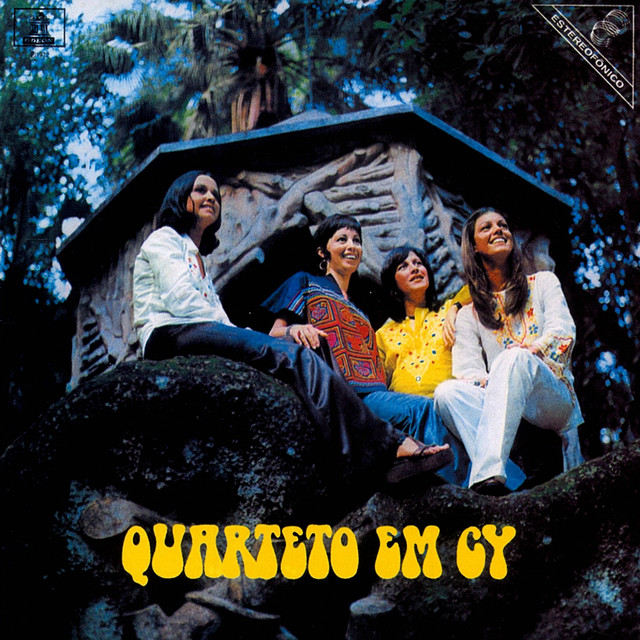
Quarteto Em Cy
Bossa Nova
Brazilian Jazz
Mpb
3
/5
Elizeth Cardoso
Bossa Nova
Brazilian Jazz
Mpb
3
/5
Bola Sete
Bossa Nova
Brazilian Classical Music
Brazilian Jazz
2
/5
Joyce Moreno
Mpb
Bossa Nova
Brazilian Jazz
2
/5
Maysa
Bossa Nova
Brazilian Jazz
Mpb
2
/5
Alaíde Costa
Mpb
Samba-Canção
Bossa Nova
Download our mobile app
Get the Melodigging app and start digging for new genres on the go
Download on the App Store
Get it on Google Play
© 2026 Melodigging
Give feedback
Legal
Melodding was created as a tribute to
Every Noise at Once
, which inspired us to help curious minds keep digging into music's ever-evolving genres.