Genres
Artists
Albums
Make Music
Sign in
Sign in
Artists
Cinematic Dubstep
Artists
Cinematic Dubstep
Amidy
Listen
3
/5
Genres
Future Riddim
Future riddim is a melodic, chord-forward offshoot of riddim and dubstep that blends heavy half‑time grooves with bright, future-bass harmonies and colorful, animated sound design. Where classic riddim emphasizes repetitive syncopated bass patterns, future riddim adds expressive chord progressions, memorable leads, and glittering supersaws, creating a style that is both hard‑hitting and euphoric. Typical tracks sit around 140–150 BPM in half‑time, pairing a chesty snare on beat three with call‑and‑response bass phrases that are tightly sidechained to the kick. Sound design frequently uses vowel/formant filtering, harmonic resampling, and lush stereo layers so that each bass hit sings like a melodic instrument rather than a purely percussive hit.
Discover
Listen
Cinematic Dubstep
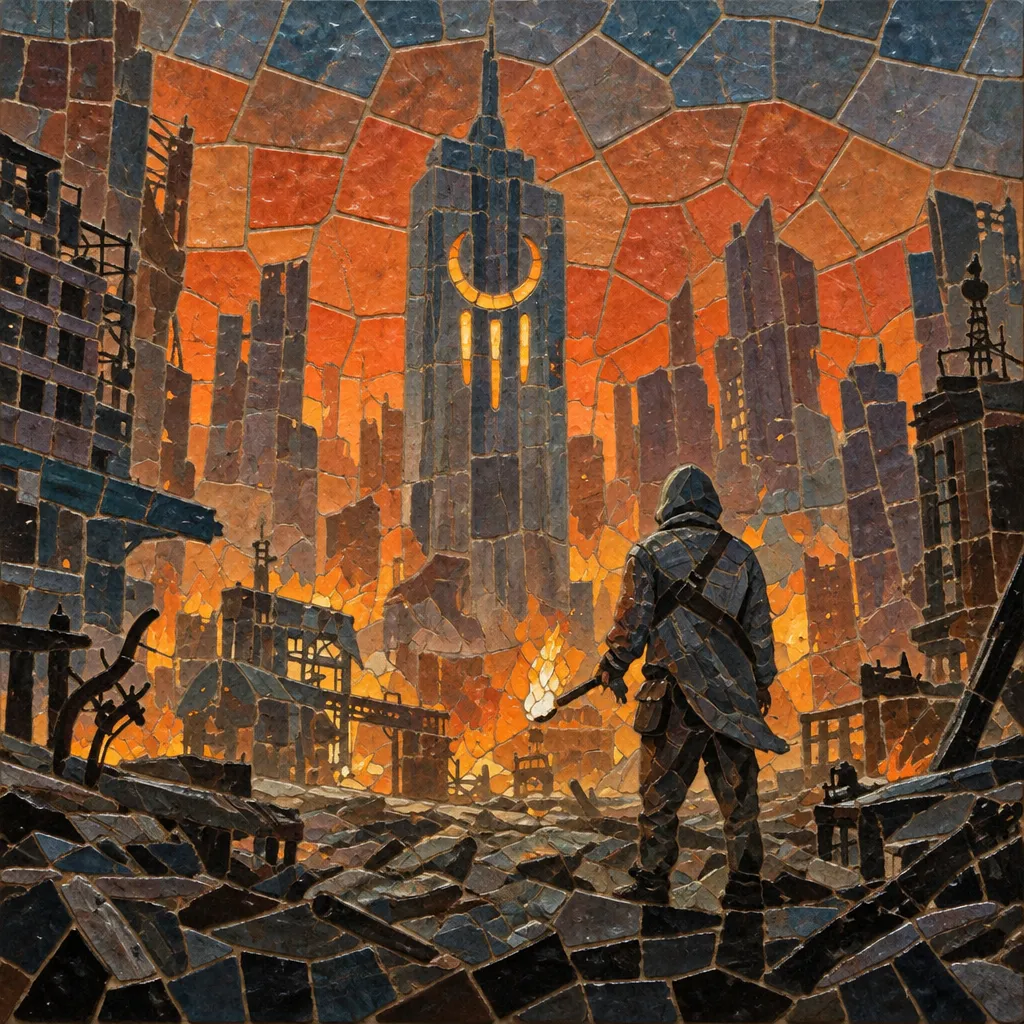
Cinematic dubstep is a hybrid of dubstep’s half‑time bass music and the sweep of film score writing. It layers colossal, trailer‑style sound design (impacts, risers, braaams) over orchestral textures—strings, brass, choirs, and big percussion—then delivers 140 BPM drops with growling basses and wide, atmospheric pads. Compared to standard brostep, it leans more narrative and emotive: introductions unfold like a cue from a movie, builds feel like a trailer climax, and breakdowns often return to piano, strings, or ambient soundscapes before a final, ‘act‑three’ drop. The result is music equally at home in esports intros, game/trailer sync, and festival stages.
Discover
Listen
Edm
EDM (Electronic Dance Music) refers to the mainstream, festival-oriented wave of electronic dance styles that rose to global prominence in the early 2010s. It emphasizes high-energy drops, ear-catching toplines, and crowd-pleasing arrangements designed for large stages and mass audiences. Musically, EDM typically sits around 124–130 BPM with a strong four-on-the-floor kick, wide supersaw leads, bright plucks, and heavily sidechained pads and basses for a pumping feel. Tracks are structured around tension-and-release: intros and builds lead to explosive drops, followed by breakdowns that rebuild energy. Vocals and pop-style songwriting frequently appear, enabling crossover success on radio and streaming platforms.
Discover
Listen
Future Bass
Future bass is a melodic, drop-focused style of electronic dance music built around lush, detuned saw-tooth chords, dramatic swells, and emotive, pop- and R&B-leaning progressions. It typically runs at 70–90 BPM (or 140–180 BPM in double-time), uses trap-inspired drums (808 kicks, crisp snares on the third beat, syncopated hi-hats), and features heavy sidechain compression for a breathing, "pumping" feel. Producers often layer shimmering supersaws, pitch-automated leads, and chopped/pitched vocal snippets to create euphoric, weightless drops that contrast with airy verses and cinematic builds. A hallmark is its glossy, future-leaning sound design—gliding chords, LFO modulation, wide stereo images—paired with catchy, sentimental melodies that make it equally club-ready and radio-friendly.
Discover
Listen
Gaming Edm
Gaming EDM is a bright, hook‑driven branch of electronic dance music tailored for online gaming, streaming, and creator culture. It blends festival‑ready drops and sidechained supersaws with melodic, video‑game–friendly timbres (arpeggiated leads, chip/8‑bit flourishes) and clean royalty-friendly production that sits well under voice chat or commentary. The songs are typically concise, high‑energy, and instantly catchy, engineered to loop well on streams and to sync to highlight reels and esports content.
Discover
Listen
Melodic Bass
Melodic bass is an emotive, vocal-forward branch of bass music that blends the harmonic richness of future bass and melodic dubstep with the structure and hooks of modern pop. Its drops lean on lush supersaw chords, lyrical lead melodies, and warm, well-controlled sub-bass rather than abrasive sound design. Producers prioritize cinematic builds, heartfelt toplines, and songwriting that pivots between intimacy and festival-scale catharsis. Typical arrangements move from verse and pre-chorus into a half-time, melody-driven drop, often featuring vocal chops, guitar layers, and soaring chord stacks. The overall effect is uplifting yet nostalgic, delivering both dance-floor energy and singer‑songwriter sentiment.
Discover
Listen
Pop Edm
Pop EDM (often written as pop-EDM) is a crossover style that fuses the song-centric writing, hooks, and structure of mainstream pop with the sound design, drops, and production techniques of modern electronic dance music. It typically features verse–pre‑chorus–chorus forms, radio-friendly toplines, and polished vocals, but replaces a traditional instrumental chorus with an EDM-style drop built from synth leads, vocal chops, or rhythmic bass. Tempos commonly range from 100–128 BPM, with harmonic language that favors diatonic, feel‑good progressions and bright, euphoric timbres. Commercially oriented and festival‑compatible, pop EDM is designed to work on both radio/streaming and the dancefloor, prioritizing memorable hooks, high-impact drops, and a glossy, sidechained mix.
Discover
Listen
Tearout Brostep
Tearout brostep is a hyper-aggressive strain of brostep that emphasizes violently modulated midrange basses, high-impact drops, and rapid-fire switch‑ups. It typically runs at 140–150 BPM in half‑time, pairing chest‑punching snares with seismic subs and screeching or growling lead basses. Producers lean heavily on advanced wavetable/FMX sound design, serial resampling, multiband distortion, OTT-style compression, and tight sidechaining to create a wall of kinetic, metallic energy. Arrangements often feature cinematic intros, tension‑building risers, and whiplash-inducing call‑and‑response bass phrases designed for headbanging festival crowds.
Discover
Listen
Bass Trap
Bass trap is a high-energy electronic dance music style that merges trap’s halftime hip-hop drum language with festival-scale sound design. It is defined by hard-hitting 808-style sub-bass, punchy snare/clap patterns, rapid hi-hat figures, and aggressive synth or bass “growls” borrowed from modern bass music. Tracks are typically built for big drops and crowd impact, using tension-heavy builds, sudden silences, and explosive low-end releases.
Discover
Listen
Briddim
Briddim is a hybrid strain of bass music that fuses the lurching, loop-driven minimalism of riddim with the high-impact, sound-design-forward aggression of brostep. It typically runs at 140–150 BPM in half-time, placing a punchy snare on beat three and driving the groove with syncopated bass stabs and call‑and‑response motifs. Compared to classic riddim, briddim foregrounds complex, highly modulated bass patches, sharp fills, and cinematic builds borrowed from brostep and tearout. The drops tend to be heavier and more varied than traditional riddim, yet remain more pattern‑centric and hypnotic than typical brostep, hence the “bridge” quality implied by the name.
Discover
Listen
Brostep
Brostep is a high-intensity, EDM-leaning strain of dubstep that foregrounds aggressively modulated midrange basses, dramatic builds, and arena-sized drops. Where classic UK dubstep emphasizes sub-bass weight, spaciousness, and dubwise minimalism, brostep shifts the focus to bright, distorted, and highly articulated bass sound design, often supported by festival-ready structures and glossy, loud mastering. Typical tempos sit around 140 BPM (often presented in half-time), with snare on beat 3, punchy kick patterns, and dense fills. Signature sounds include vowel/formant "talking" basses, metallic growls, comb-filtered screeches, and heavy multiband distortion, arranged in call-and-response riffs that drive the drop.
Discover
Listen
Dubstep Product
Dubstep product is a production/library music take on dubstep tailored for sync: trailers, esports broadcasts, gaming content, advertising, influencer videos, and broadcast bumpers. It takes the sound design, half‑time groove, and drop‑centric structures of UK/US dubstep (including brostep/tearout variants) and packages them into edit‑friendly cues with clean hit points, sting endings, alternate mixes, stems, and duration cuts (15/30/60 seconds). The result balances maximalist bass design with practical considerations for dialogue, sound effects, and branding overlays. Compared with club‑oriented dubstep, dubstep product favors punchy, readable arrangements, cinematic impacts, and clearly marked builds/drops that translate across headphones, TV speakers, and mobile devices.
Discover
Listen
Channel Pop
Channel pop is a digital-era strain of mainstream pop shaped by video and creator platforms—especially YouTube and later TikTok and Instagram—where artists build audiences through frequent uploads on their own “channels.” Musically it favors intimate, highly polished but close-mic’d vocals, acoustic guitar or piano-led arrangements, restrained beats, and succinct, playlist-friendly structures. Many releases are cover-first (reimagining recent chart hits) with a steady flow of glossy singles, session-style performances, and creator collaborations that gradually blend into original material. Titles, artwork, and release cadence are optimized for search and recommendation algorithms, yielding a sound that is simultaneously personal and platform-aware.
Discover
Listen
Glitch Hop Edm
Glitch hop EDM is a bass-heavy, midtempo offshoot of glitch and hip-hop that adopts the large-scale sound design, drops, and festival-ready structures of contemporary EDM. It typically runs around 90–115 BPM with a swung or syncopated hip-hop groove, while employing stutter edits, tape stops, bitcrushing, buffer repeats, granular chops, and intricate automation to create the characteristic "glitched" feel. Tracks often feature thick, modulated basslines; punchy, off-kilter drums; chopped vocals and foley; and harmonies that borrow from jazz, funk, and soul, all arranged in EDM-style buildups and drops.
Discover
Listen
Trap Edm
Trap EDM (often called EDM trap) is a fusion of Southern U.S. hip hop trap rhythms with the build–up/drop architecture and sound design of electronic dance music. It typically runs at 140 BPM with a halftime feel (or 70–75 BPM), featuring 808 sub‑bass, crisp snare/clap on the third beat, rapid 1/16 to 1/32 hi‑hat rolls, brass or synth stabs, and big festival‑style drops. Unlike rap-oriented trap, Trap EDM is primarily instrumental and designed for large dance floors and festivals, emphasizing dramatic risers, tension–release dynamics, and heavy low‑end impact.
Discover
Listen
Show all 15 genres
Similar artists
3
/5
Dabin
Melodic Bass
Melodic Dubstep
Edm
3
/5
Blanke
Cinematic Dubstep
Dubstep
Edm
3
/5
RUNN
Cinematic Dubstep
Edm
Future Bass
3
/5
Au5
Chillstep
Dubstep
Melodic Dubstep
4
/5
ILLENIUM
Melodic Bass
Future Bass
Electronic
4
/5
Gryffin
Future Bass
Melodic Bass
Chill R&b
4
/5
Seven Lions
Melodic Dubstep
Melodic Bass
Chillstep
3
/5
William Black
Melodic Bass
Edm
Future Bass
3
/5
Nevve
Covertronica
Future Bass
Gaming Edm
3
/5
San Holo
Future Bass
Melodic Bass
Electronic
Download our mobile app
Get the Melodigging app and start digging for new genres on the go
Download on the App Store
Get it on Google Play
© 2026 Melodigging
Give feedback
Legal
Melodding was created as a tribute to
Every Noise at Once
, which inspired us to help curious minds keep digging into music's ever-evolving genres.