Genres
Artists
Albums
Make Music
Sign in
Sign in
Artists
Folclor Andino
Artists
Folclor Andino
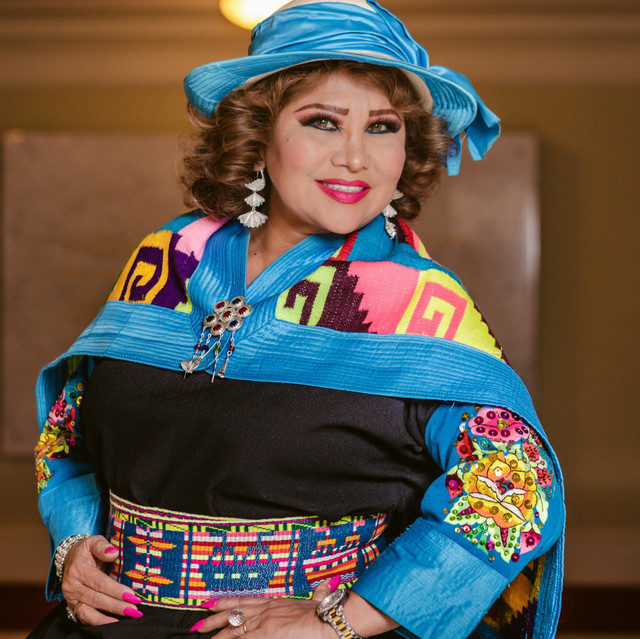
Amanda Portales
Listen
2
/5
Genres
Folclor Andino
Folclor andino is the pan‑regional folk music of the Andean highlands, shaped by Indigenous Quechua and Aymara traditions and later mestizo influences. It centers on wind instruments such as quena (notched flute) and zampoña/siku (panpipes), the small 10‑string charango, guitar, and deep hand‑drummed bombos, producing bright timbres over earthy rhythms. Melodically it favors pentatonic and natural minor (Aeolian/Dorian) scales, parallel thirds, antiphonal hocketing between panpipe parts, and cyclical ostinatos. Repertoire often draws from regional forms like huayno, yaraví, carnavalito, and related highland dances, with lyrics that invoke the mountains, Pachamama (Mother Earth), love, migration, and social realities. As a modern stage and recording genre, folclor andino coalesced mid‑20th century when urban ensembles standardized instrumentation and performance, later intersecting with nueva canción’s socially engaged aesthetics and spreading globally through tours and world‑music circuits.
Discover
Listen
Huayno
Huayno (Quechua: waynu/wayno) is a traditional Andean music and dance style that took modern shape in the Peruvian highlands and spread across Bolivia and Ecuador. It is marked by brisk duple-meter rhythms with a strong downbeat, bright pentatonic melodies, and emotive vocals often sung in Quechua and Spanish. Typical ensembles feature charango and guitar strumming patterns, soaring quena (Andean flute) and siku (panpipes), lyrical violin or harp lines, and driving bombo or wankara drum pulses. The dance uses lively stomping steps and turns, reflecting festive community gatherings, courtship, and rural life. Regional variants include the fast, celebratory Huaylas (central highlands), the yaraví-inflected, tender huayno ayacuchano (Ayacucho), and the panpipe- and charango-rich wayno sureño (Cusco–Puno). Lyrical themes span love and longing, migration, indigenous pride, and everyday joys and hardships.
Discover
Listen
Tunantada
Tunantada is a traditional Andean music-and-dance genre from the Mantaro Valley in Peru, especially centered in the city of Jauja (Junín). It accompanies a festive, satirical dance in which masked performers portray colonial-era characters—most notably the Spanish “chapetón”—to both celebrate and critique the social hierarchies of the past. Musically, tunantada is performed by orquesta típica (regional wind-and-string ensembles) that foreground clarinets and saxophones, supported by violins, brasses, harp or guitar (in some lineages), and a marching-style percussion battery of bombo, redoblante (snare), and platillos (cymbals). The pieces often have a dignified, processional lift reminiscent of European marches and pasodoble while maintaining Andean melodic contours and ornamentation.
Discover
Listen
Similar artists
3
/5
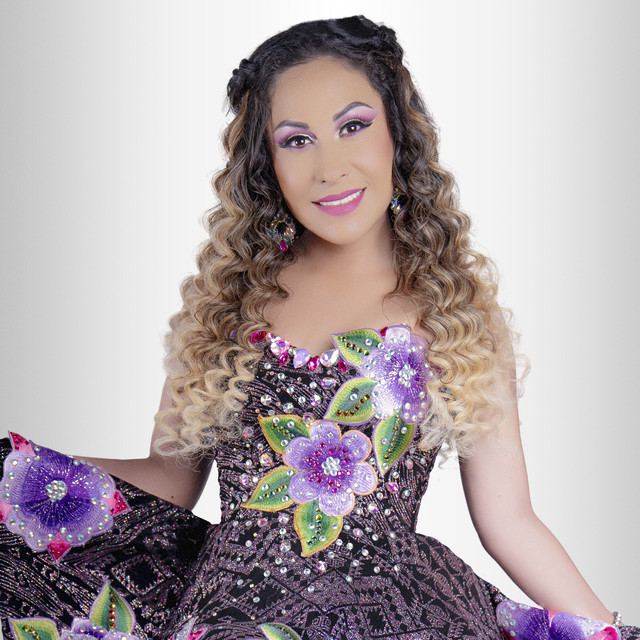
Amaranta
Tunantada
Folclor Andino
Huayno
3
/5
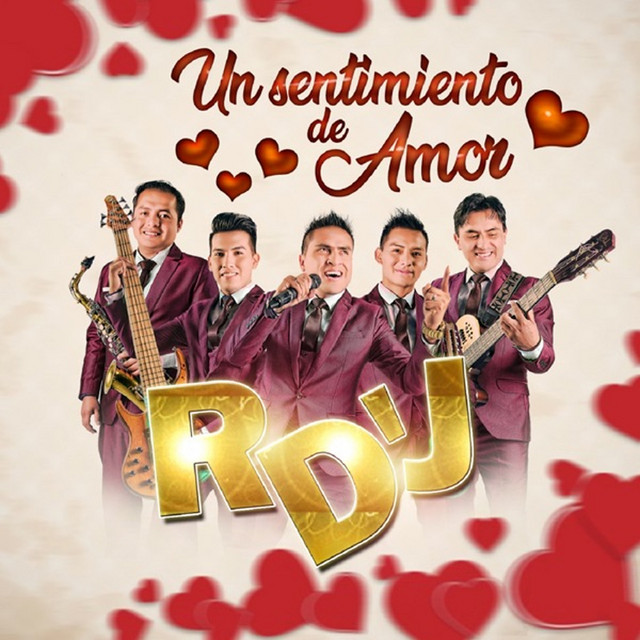
Raíces D'Jauja
Tunantada
Folclor Andino
Huayno
2
/5
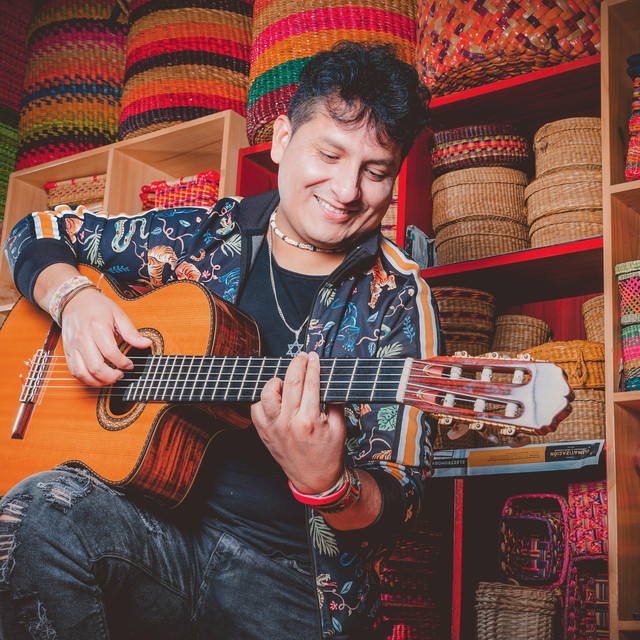
Max Castro
Tunantada
Folclor Andino
Huayno
2
/5
Marco Antonio Moreno
Tunantada
Folclor Andino
Huayno
2
/5
Surandino
Tunantada
Folclor Andino
Huayno
2
/5
Diosdado Gaitán Castro
Tunantada
Chicha
Folclor Andino
2
/5
Alicia Maguiña
Huayno
Folclor Andino
Sea Shanty
3
/5
Los Kjarkas
Huayno
Latin Folk
Conjunto Andino
3
/5
William Luna
Huayno
Latin Folk
Folclor Andino
3
/5
Antologia
Folclor Andino
Huayno
Latin Folk
Download our mobile app
Get the Melodigging app and start digging for new genres on the go
Download on the App Store
Get it on Google Play
© 2026 Melodigging
Give feedback
Legal
Melodding was created as a tribute to
Every Noise at Once
, which inspired us to help curious minds keep digging into music's ever-evolving genres.