Genres
Artists
Albums
Make Music
Sign in
Sign in
Artists
Huayno
Artists
Huayno
Alicia Maguiña
1957–2015
·
3 albums
Listen
2
/5
Genres
Folclor Andino
Folclor andino is the pan‑regional folk music of the Andean highlands, shaped by Indigenous Quechua and Aymara traditions and later mestizo influences. It centers on wind instruments such as quena (notched flute) and zampoña/siku (panpipes), the small 10‑string charango, guitar, and deep hand‑drummed bombos, producing bright timbres over earthy rhythms. Melodically it favors pentatonic and natural minor (Aeolian/Dorian) scales, parallel thirds, antiphonal hocketing between panpipe parts, and cyclical ostinatos. Repertoire often draws from regional forms like huayno, yaraví, carnavalito, and related highland dances, with lyrics that invoke the mountains, Pachamama (Mother Earth), love, migration, and social realities. As a modern stage and recording genre, folclor andino coalesced mid‑20th century when urban ensembles standardized instrumentation and performance, later intersecting with nueva canción’s socially engaged aesthetics and spreading globally through tours and world‑music circuits.
Discover
Listen
Traditional Music
Traditional music is an umbrella term used in the mid–20th century by folklorists and ethnomusicologists to denote community-rooted, orally transmitted repertoires tied to social ritual, work, celebration, and storytelling. Unlike commercial pop or art-music traditions, traditional music is typically learned by ear, varies regionally, and evolves slowly through communal participation. It often features modal melodies, cyclic rhythms, heterophony or unison singing, and indigenous instruments whose timbres are integral to local identity. Lyrics tend to preserve language, history, and collective memory. While the musical practices themselves can be ancient, the phrase “traditional music” emerged to replace earlier, narrower or colonial framings like “folk” or “ethnic” music, foregrounding continuity, locality, and living practice rather than exoticism.
Discover
Listen
Música Criolla
Música criolla is the coastal Peruvian Creole song tradition that blends Spanish, African, and indigenous elements into a lyrical, guitar‑led popular style. It is both an umbrella term for related forms and a repertoire in its own right, centering on the vals criollo (Peruvian waltz) while encompassing marinera, tondero, festejo, landó, and others. Typically performed with nylon‑string guitars, cajón peruano, and hand percussion (quijada de burro, cajita, palmas), it features elegant melodies, rich harmonies, and poetic lyrics about love, the city of Lima, nostalgia, and everyday life. Rhythmic interplay between European meters (3/4, 6/8) and Afro‑Peruvian syncopations gives the music its supple swing and expressive phrasing. Beyond a musical style, música criolla signifies a Creole identity forged in Peru’s coastal cities, celebrated in peñas (social gatherings) and on El Día de la Canción Criolla (October 31).
Discover
Listen
Vals Criollo
Vals criollo (Peruvian waltz) is the coastal Peruvian reinterpretation of the European waltz, played in 3/4 time but with distinctive Afro-Peruvian and Creole (criollo) phrasing, syncopation, and guitar-centric accompaniment. It is typically performed by voice and one or more nylon-string guitars, often supported by cajón, palmas (handclaps), and second voices, creating a warm, intimate salon or peña atmosphere. Melodies are lyrical and ornamented, harmonies draw on classical waltz cadences enriched with secondary dominants and chromatic passing chords, and lyrics dwell on love, nostalgia, neighborhood life in Lima, and the pride and melancholy of the criollo identity. Celebrated annually on Peru’s Día de la Canción Criolla (Oct 31), the genre is a central pillar of música criolla and one of Peru’s most emblematic urban song forms.
Discover
Listen
Huayno
Huayno (Quechua: waynu/wayno) is a traditional Andean music and dance style that took modern shape in the Peruvian highlands and spread across Bolivia and Ecuador. It is marked by brisk duple-meter rhythms with a strong downbeat, bright pentatonic melodies, and emotive vocals often sung in Quechua and Spanish. Typical ensembles feature charango and guitar strumming patterns, soaring quena (Andean flute) and siku (panpipes), lyrical violin or harp lines, and driving bombo or wankara drum pulses. The dance uses lively stomping steps and turns, reflecting festive community gatherings, courtship, and rural life. Regional variants include the fast, celebratory Huaylas (central highlands), the yaraví-inflected, tender huayno ayacuchano (Ayacucho), and the panpipe- and charango-rich wayno sureño (Cusco–Puno). Lyrical themes span love and longing, migration, indigenous pride, and everyday joys and hardships.
Discover
Listen
Sea Shanty
Sea shanty is a maritime work song that developed aboard sailing ships to coordinate group labor. It uses a strong, steady pulse and a call-and-response structure in which a lead singer (the shantyman) calls the verse and the crew responds in chorus to time their pulls, pushes, or turns together. Historically unaccompanied and sung in unison, shanties are tailored to specific tasks: short-drag (brief, forceful pulls), halyard/long-drag (heavier, fewer pulls per line), capstan/windlass (continuous, walking rhythm), and pumping shanties (repetitive, machine-like pulse). Lyrics mix practical timing cues with humor, bravado, longing, and port lore, and often use nonsense vocables (“way, hey,” “haul away”) to accent the work strokes. While closely related to broader “sea songs” and forebitters (off-duty songs), shanties are distinct in purpose: they are functional music designed to synchronize labor. The style flourished in the 19th century among English-speaking merchant navies, absorbing influences from British and Irish folk traditions and African-American and Afro-Caribbean work-song practices.
Discover
Listen
Tunantada
Tunantada is a traditional Andean music-and-dance genre from the Mantaro Valley in Peru, especially centered in the city of Jauja (Junín). It accompanies a festive, satirical dance in which masked performers portray colonial-era characters—most notably the Spanish “chapetón”—to both celebrate and critique the social hierarchies of the past. Musically, tunantada is performed by orquesta típica (regional wind-and-string ensembles) that foreground clarinets and saxophones, supported by violins, brasses, harp or guitar (in some lineages), and a marching-style percussion battery of bombo, redoblante (snare), and platillos (cymbals). The pieces often have a dignified, processional lift reminiscent of European marches and pasodoble while maintaining Andean melodic contours and ornamentation.
Discover
Listen
Peruvian Music
Peruvian music is a richly syncretic umbrella that blends Indigenous Andean traditions, Spanish/Iberian song and dance forms, and West/Central African rhythms and instruments brought during the colonial era. Across Peru’s diverse regions, coastal música criolla (e.g., valses and marinera) emphasizes guitars, intricate strumming, and poetic décimas; Afro‑Peruvian styles (festejo, landó) center on polyrhythms, call‑and‑response, and hallmark percussion such as the cajón, cajita, and quijada de burro; highland Andean genres (huayno, harawi, yaraví, huaylarsh) foreground quena and zampoña (siku) flutes, charango, harp, and pentatonic melodies; and the Amazon basin pioneered psychedelic/organ‑driven cumbia amazónica and later chicha—electrified hybrids that carry Andean melody into an urban dance setting. Performed in Spanish and Indigenous languages (Quechua, Aymara, and Amazonian tongues), Peruvian music moves between communal dance, ritual functions, and intimate song, balancing nostalgia and celebration with rhythmic vitality.
Discover
Listen
Show all 8 genres
Albums
2015
1
/5
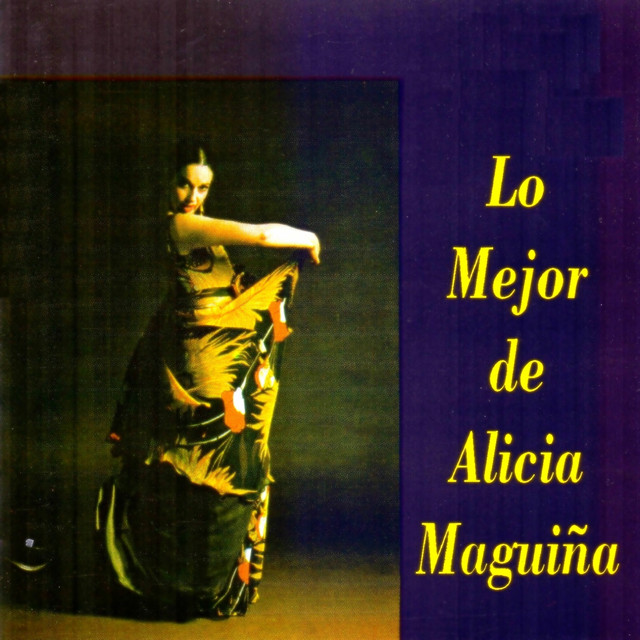
Lo Mejor de Alicia Maguiña
Alicia Maguiña
Tunantada
Música Criolla
2015
2
/5
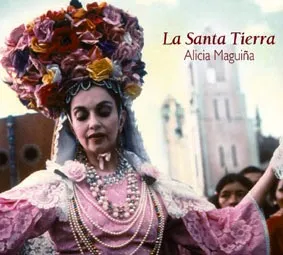
La santa tierra
Alicia Maguiña
Huayno
1957
1
/5
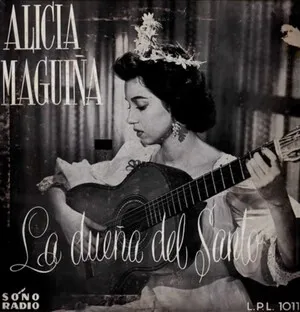
La dueña del santo
Alicia Maguiña
Vals Criollo
Peruvian Music
Similar artists
1
/5
Bolivia Manta
Huayno
Folclor Andino
Traditional Music
1
/5
Blind Street Musicians of Cusco
Huayno
Folclor Andino
Native American Music
1
/5
Julio Benavente Diaz
Huayno
Folclor Andino
Traditional Music
2
/5
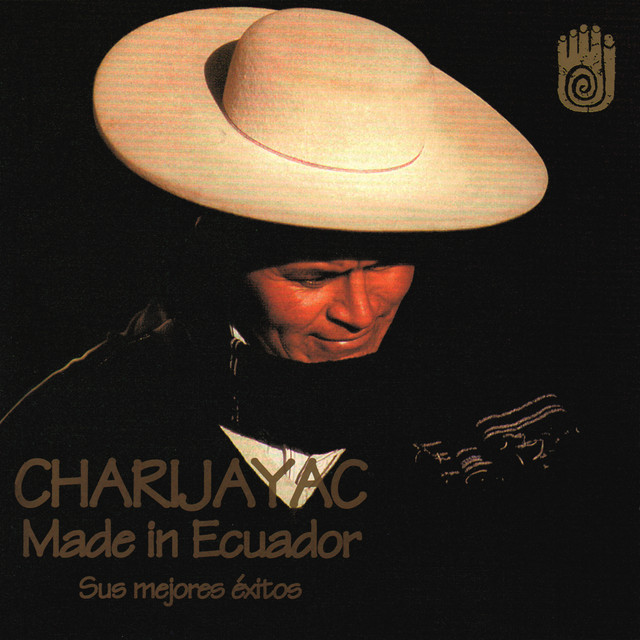
Charijayac
Chicha
Folclor Andino
Huayno
2
/5
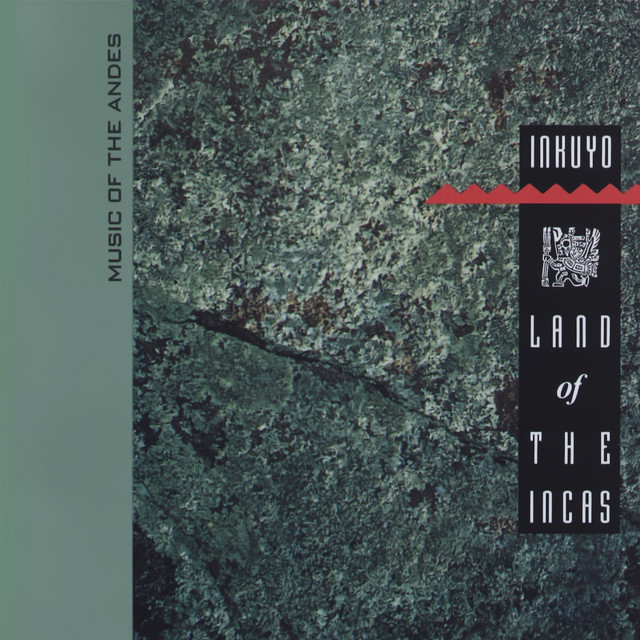
Inkuyo
Folclor Andino
Huayno
Latin Folk
2
/5
Alpamayo
Folclor Andino
Huayno
Latin Folk
2
/5
Manuelcha Prado
Folclor Andino
Huayno
Traditional Music
2
/5
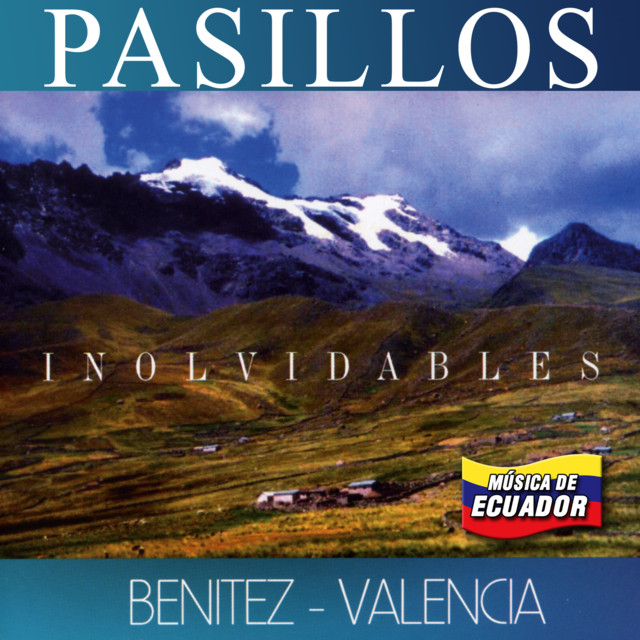
Benítez - Valencia
Bolero
Chicha
Folclor Andino
2
/5
Yarina
Chicha
Folclor Andino
Huayno
2
/5
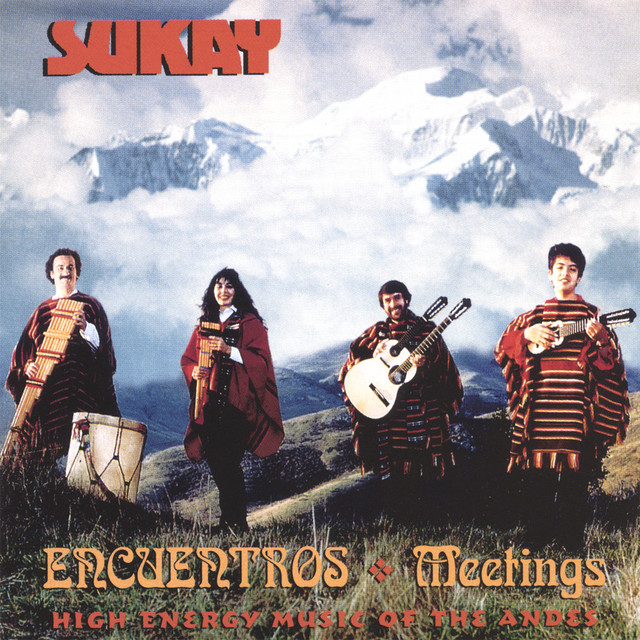
Sukay
Folclor Andino
Huayno
Latin Folk
Download our mobile app
Get the Melodigging app and start digging for new genres on the go
Download on the App Store
Get it on Google Play
© 2026 Melodigging
Give feedback
Legal
Melodding was created as a tribute to
Every Noise at Once
, which inspired us to help curious minds keep digging into music's ever-evolving genres.