Genres
Artists
Albums
Make Music
Sign in
Sign in
Artists
Bolero
Artists
Bolero
Alvaro Henriquez
Listen
3
/5
Genres
Musica Nublensina
Musica nublensina refers to the contemporary, locally rooted music scene of Chile’s Ñuble Region (Chillán, San Carlos, Quirihue and surrounding communes). It is a place-based umbrella term rather than a single strict style, bringing together indie, folk, rock, cumbia, and singer‑songwriter currents that reflect the area’s cultural memory and its current independent ecosystem. Musically, the scene blends Chilean folk idioms (cueca campesina, tonadas, nueva canción legacies) with modern pop/indie textures, occasional Caribbean rhythms (via the long Chile–Caribbean exchange), and a DIY production ethos. Lyrically, songs often carry costumbrista imagery—rivers, cordillera, harvests, barrios—and a quietly political, community‑minded sensibility characteristic of central‑southern Chile. Because it is a geographic scene, musica nublensina naturally includes both heritage influences (iconic Ñuble‑born artists of the 20th century) and an active network of 2010s–2020s independent bands, solo acts, ensembles, and collectives.
Discover
Listen
Latin Rock
Latin rock blends the instrumentation and attitude of rock with Afro‑Latin and Caribbean rhythms, percussion, and song forms. Typical bands combine electric guitars, bass, and drum kit with congas, bongos, timbales, and hand percussion, creating a driving, danceable groove grounded in the clave. Vocals may be in Spanish, Portuguese, Spanglish, or English, and lyrics range from love songs and urban life to social and political commentary. Harmonically, Latin rock draws from blues/rock progressions but frequently incorporates modal colors (Dorian, Mixolydian) and montuno‑style vamps borrowed from salsa and Afro‑Cuban traditions. The result sits comfortably between club‑ready rhythm and arena‑sized rock energy.
Discover
Listen
Bolero
Bolero is both a Spanish dance-music form from the late 18th century and, later, a Cuban song style from the late 19th century. The Spanish bolero emerged as a moderately slow solo or partner dance in 3/4 time, shaped by Andalusian song-dance traditions. It typically features guitar accompaniment and castanets, and its sung texts often follow the seguidilla stanza pattern. In Cuba, bolero evolved into a romantic ballad—most often in 2/4 (later also felt in 4/4)—performed by singers, trios, and salon ensembles. Cuban bolero emphasizes intimate, lyrical melodies, guitar-led accompaniment (often with requinto), and gentle Afro-Caribbean rhythmic undercurrents (habanera feel, soft bongo, claves), becoming one of Latin America’s quintessential love-song forms.
Discover
Listen
Similar artists
5
/5
Mon Laferte
Latin Alternative
Latin Pop
Latin Indie
3
/5
Pedropiedra
Latin Indie
Latin Rock
Musica Nublensina
3
/5
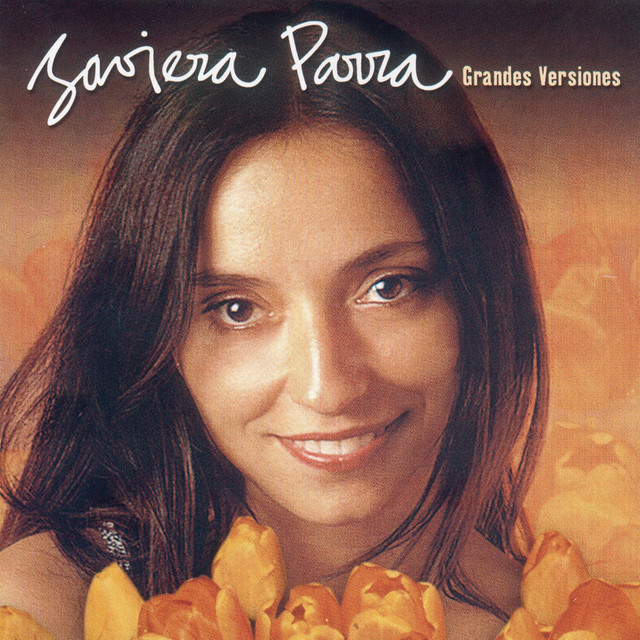
Javiera Parra
Latin Rock
Musica Nublensina
Nueva Canción
2
/5
Lucho Gatica
Bolero
Musica Nublensina
2
/5
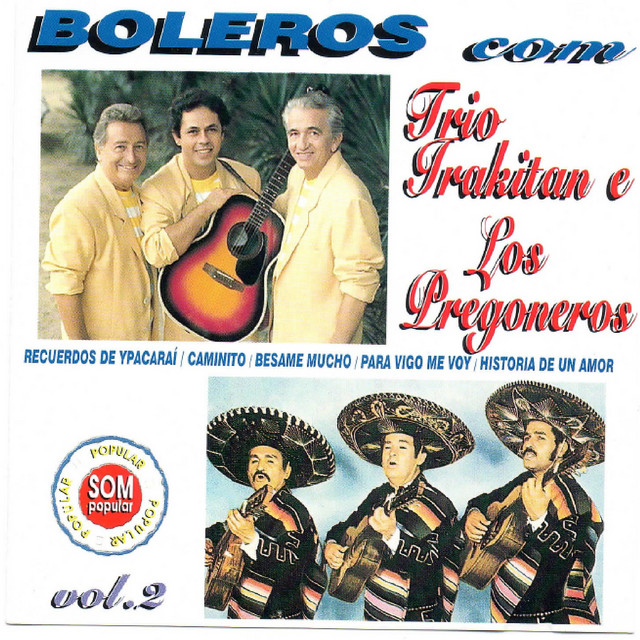
Los Pregoneros
Bolero
Musica Nublensina
Seresta
1
/5
Various Artists
Afro-Funk
Alternative Rock
Ambient
3
/5
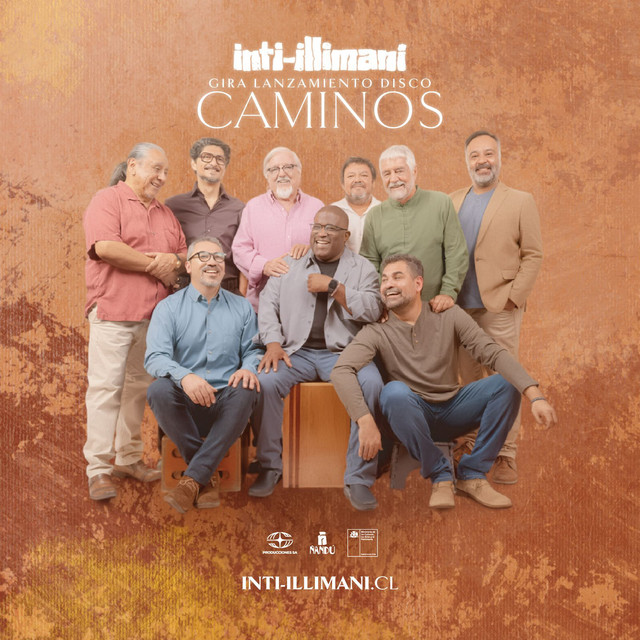
Inti-Illimani
Nueva Canción Chilena
Conjunto Andino
Chilean Music
5
/5
Luis Miguel
Bolero
Latin Pop
Mariachi
5
/5
Maná
Latin
Latin Rock
Mexican Rock
5
/5
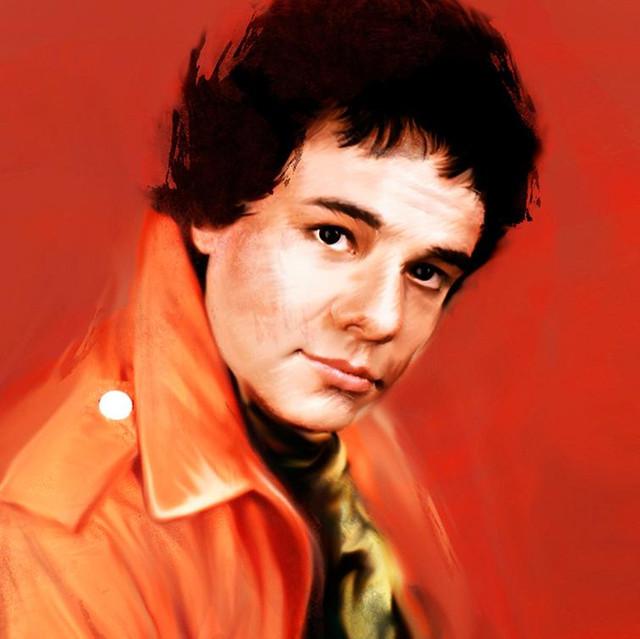
José José
Bolero
Canción Melódica
Ballad
Download our mobile app
Get the Melodigging app and start digging for new genres on the go
Download on the App Store
Get it on Google Play
© 2026 Melodigging
Give feedback
Legal
Melodding was created as a tribute to
Every Noise at Once
, which inspired us to help curious minds keep digging into music's ever-evolving genres.