Genres
Artists
Albums
Make Music
Sign in
Sign in
Artists
Indie Québécois
Artists
Indie Québécois
Alexandra Streliski
2018–2022
·
3 albums
Listen
3
/5
Genres
Modern Uplift
Modern uplift is a streaming‑era microgenre label for contemporary, radio‑friendly pop/rock that emphasizes optimistic, motivational songwriting and anthemic, sing‑along choruses. It sits at the intersection of post‑grunge sheen and arena‑rock scale, updated with modern pop production touches. Compared with darker alternative strains, modern uplift favors major‑key progressions, mid‑tempo grooves, layered guitars and keys, and polished mixes designed to translate from headphones to large venues. Its lineage runs through 1990s–2000s post‑grunge’s radio‑ready polish and 1970s–1980s arena rock’s big, melodic hooks, reframed in the 2010s by streaming and playlist culture that grouped kindred artists under fine‑grained microgenre tags.
Discover
Listen
Indie Québécois
Indie québécois is the independent music scene from Quebec—centered largely in Montréal and Québec City—that blends the DIY spirit of indie rock and pop with francophone songwriting traditions. It typically features a mix of guitar-driven textures, warm analog synths, and richly arranged instrumentation, while lyrics often foreground identity, urban life, and the poetic cadences of Québécois French. The sound ranges from intimate, folk-leaning songs to expansive, post‑rock and art‑pop arrangements. A bilingual culture and dense venue network fostered collaborations between francophone and anglophone artists, making the scene remarkably porous and stylistically adventurous. Festivals like POP Montréal and M for Montreal, along with labels such as Secret City, Bonsound, and (formerly) Dare to Care/Bravo Musique, helped project the scene internationally.
Discover
Listen
Neoclassical New Age
Neoclassical new age is a crossover style that blends contemporary classical writing with the mellow, restorative aesthetics of new age music. It is typically piano-led, harmonically consonant, and minimalist in texture, often supported by soft strings, subtle electronics, and generous ambience. The genre favors lyrical melodies, repeating ostinati, slow builds, and a cinematic sense of space. It trades on intimacy and clarity—close-miked “felt” pianos, warm reverbs, and quiet dynamics—creating music that is contemplative, emotionally direct, and accessible to listeners beyond the traditional classical audience.
Discover
Listen
New Age
New age is a largely instrumental, mood-driven genre that emphasizes calm, spacious textures and a sense of spiritual or contemplative uplift. It blends gentle electronic timbres, acoustic instruments, and global/folk influences to create immersive soundscapes intended for relaxation, meditation, and introspection. Hallmarks include slow tempos or free time, long sustaining pads, modal and consonant harmonies, nature field recordings, and unobtrusive rhythms. The music often avoids dramatic tension in favor of openness and continuity, conveying themes of inner peace, nature, and the transcendent.
Discover
Listen
Neoclassicism
Neoclassicism in music is a 20th‑century movement that revived forms, genres, and aesthetics from the Baroque and Classical eras, but reframed them with modern harmony, rhythm, and orchestration. It emphasizes clarity, balance, objectivity, and contrapuntal craft, often rejecting late‑Romantic excess while retaining a tonal or modal center enriched by dissonance, bitonality, and crisp rhythmic drive. Typical hallmarks include neobaroque dance suites, neoclassical sonatas and concerti, chamber‑oriented scoring, clean textures, and a dry, anti‑rhetorical performance style.
Discover
Listen
Classical
Classical music is the notated art-music tradition of Europe and its global descendants, characterized by durable forms, carefully codified harmony and counterpoint, and a literate score-based practice. The term “classical” can refer broadly to the entire Western art-music lineage from the Medieval era to today, not just the Classical period (c. 1750s–1820s). It privileges long-form structures (such as symphonies, sonatas, concertos, masses, and operas), functional or modal harmony, thematic development, and timbral nuance across ensembles ranging from solo instruments to full orchestras and choirs. Across centuries, the style evolved from chant and modal polyphony to tonal harmony, and later to post-tonal idioms, while maintaining a shared emphasis on written notation, performance practice, and craft.
Discover
Listen
Albums
2022
3
/5
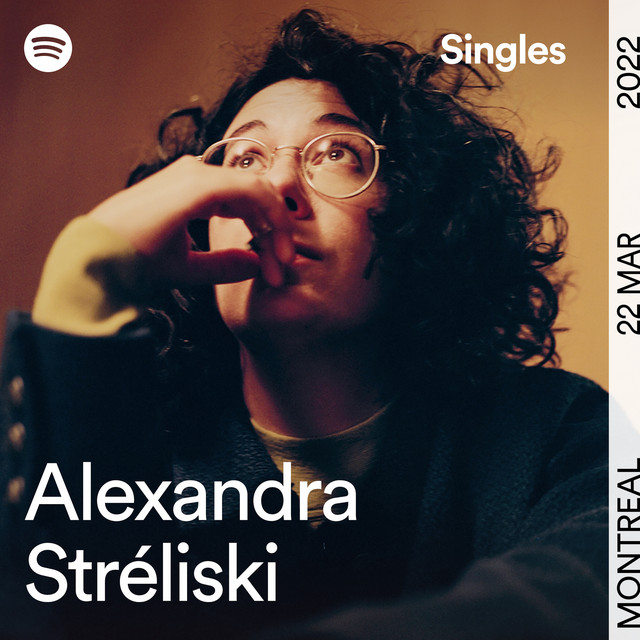
Spotify Singles
Alexandra Streliski
Indie Québécois
2018
4
/5
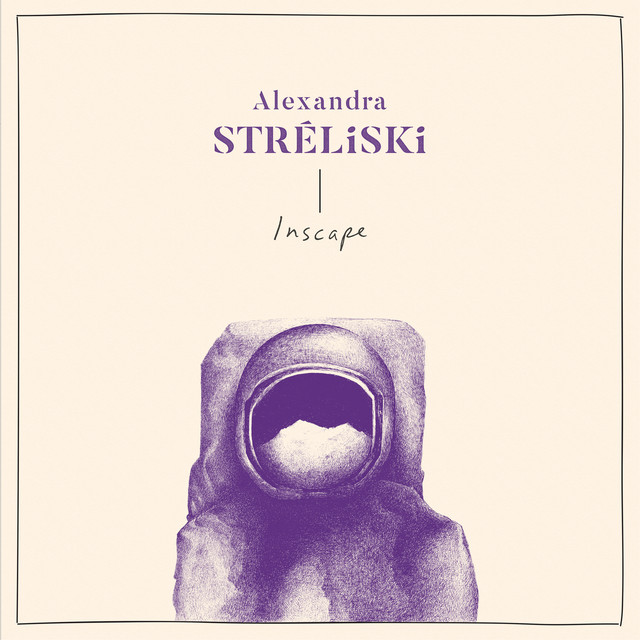
INSCAPE
Alexandra Streliski
Indie Québécois
Classical
New Age
2018
1
/5
Changing Winds
Alexandra Streliski
Indie Québécois
Similar artists
4
/5
Ludovico Einaudi
Classical
Contemporary Classical
Compositional Ambient
4
/5
Karl Jenkins
Choral
Classical
Deep Soundtrack
1
/5
Various Artists
Afro-Funk
Alternative Rock
Ambient
3
/5
George Winston
New Age
Classical
Neoclassical New Age
3
/5
Wim Mertens
Post-Minimalism
Minimalism
Neoclassicism
2
/5
Takashi Yoshimatsu
Neoclassicism
Japanese Classical
New Age
3
/5
Toshifumi Hinata
Japanese Classical
Ambient
Electronic
3
/5
Dead Can Dance
Ethereal Wave
Dark Wave
Electronic
4
/5
Joe Hisaishi
Japanese Classical
Anime
Cinematic Classical
4
/5
Harold Budd
Ambient
Minimalism
Drone
Download our mobile app
Get the Melodigging app and start digging for new genres on the go
Download on the App Store
Get it on Google Play
© 2026 Melodigging
Give feedback
Legal
Melodding was created as a tribute to
Every Noise at Once
, which inspired us to help curious minds keep digging into music's ever-evolving genres.