Genres
Artists
Albums
Make Music
Sign in
Sign in
Artists
Champeta
Artists
Champeta
Alain Kounkou
Listen
1
/5
Genres
Coupé-Décalé
Coupé-décalé is an Ivorian dance music movement known for punchy, uptempo drum programming, shouted slogans, and call-and-response vocals built around simple, catchy synth hooks. Tracks emphasize percussive drive and named dance moves, designed for rapid audience participation on the dancefloor. The style blends Congolese soukous/ndombolo showmanship (atalaku-style shouts) with Ivorian zouglou’s communal energy, Caribbean zouk smoothness, and dancehall’s club-oriented punch. Its aesthetic centers on exuberance, swagger, and celebration—often accompanied by choreographies and fashion statements that project success and joie de vivre.
Discover
Listen
Ndombolo
Ndombolo (also spelled dombolo) is a high‑energy Congolese dance music born from the 1990s soukous scene. It accelerates the classic Congolese rumba/soukous template, pushing the tempo, sharpening the rhythmic drive, and foregrounding hip‑swaying, pelvis‑led dance moves. Musically, ndombolo is marked by propulsive drum‑kit and conga patterns, bright interlocking electric guitars that launch into long, fast seben breaks, elastic bass lines, and catchy call‑and‑response vocals—often in Lingala with French catchphrases. Atalaku (hype‑men) add spirited shouts and dance commands that stoke the crowd. The overall sound is upbeat, percussion‑driven, and tailor‑made for the dancefloor. By the mid‑1990s and 2000s the style dominated clubs across Central, Eastern, and parts of Western Africa, becoming a pan‑African dance craze and a reference point for subsequent urban dance‑pop styles.
Discover
Listen
Champeta
Champeta is an Afro‑Colombian dance music born in the Caribbean coast around Cartagena and Barranquilla, emerging from the picó (sound‑system) culture that blasted imported African LPs at street parties. It translates the kinetic guitar lines and call‑and‑response spirit of Congolese soukous, highlife, and makossa into a distinctly coastal Colombian groove. Built on bright, interlocking electric‑guitar ostinatos (often in a sebene style), rubbery bass, and hand percussion, champeta favors hypnotic two‑chord vamps, catchy choruses, and playful, often streetwise lyrics delivered in Spanish and, at times, Palenquero. Since the 2000s, the style’s “champeta urbana” wave has folded in drum‑machine kicks, synth hooks, and club sonics while keeping the joyous, communal energy of the picó plaza.
Discover
Listen
Congolese Rumba
Congolese rumba (often called African rumba) is a danceable, guitar-driven popular music that emerged in Kinshasa and Brazzaville after World War II. It blends Afro‑Cuban son and bolero harmonies with Central African rhythmic sensibilities and call‑and‑response vocals. Typical recordings feature interlocking electric guitars (rhythm, mi‑solo and lead) playing lilting, cyclical figures over a steady, clave‑informed groove, buoyed by congas, maracas, cowbell, bass tumbao, and occasional horns. Songs frequently move from a lyrical, crooning verse into an extended instrumental vamp called the “sebene,” where the band raises the energy for dancers. Lyrically, Congolese rumba often uses Lingala (and sometimes French), celebrating romance, urban life, and social themes with suave vocal harmonies and a refined sense of melody.
Discover
Listen
Similar artists
2
/5
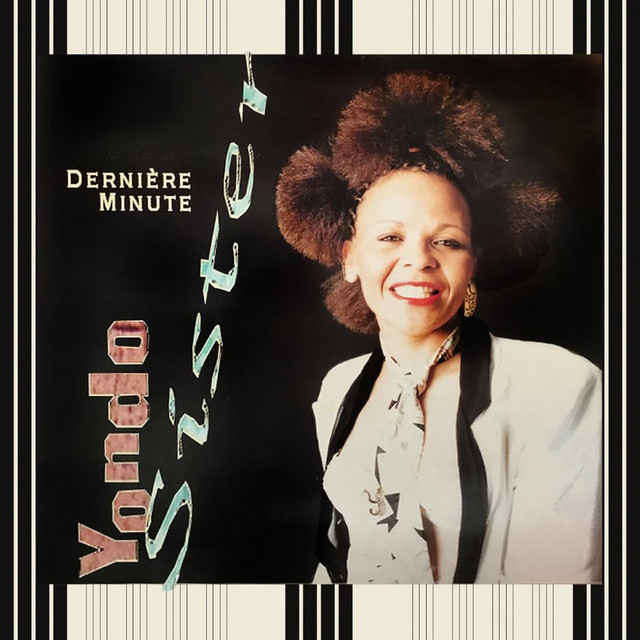
Yondo Sister
Champeta
Congolese Rumba
Coupé-Décalé
2
/5
Zitany Neil
Bikutsi
Champeta
Congolese Rumba
2
/5
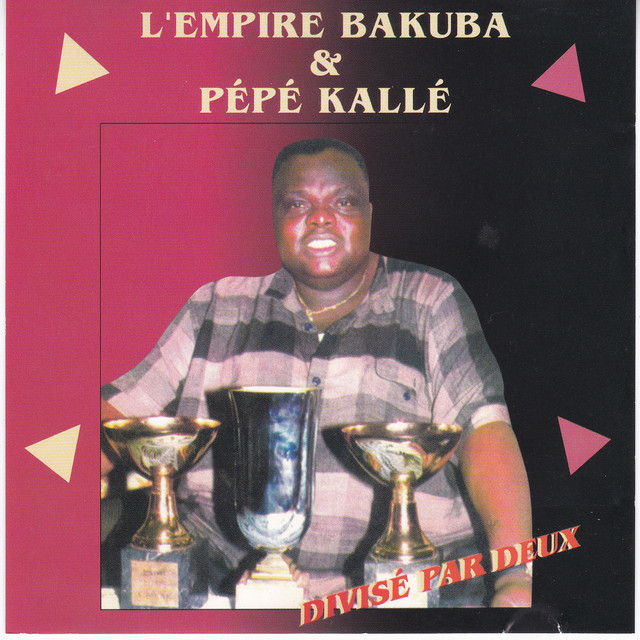
L'Empire Bakuba
Bikutsi
Champeta
Congolese Rumba
1
/5
Lutchiana Mobulu
Champeta
Congolese Rumba
Coupé-Décalé
1
/5
Petit Makambo
Champeta
Congolese Rumba
Coupé-Décalé
3
/5
DJ Arafat
Coupé-Décalé
Zouglou
Afrobeat
3
/5
Zaïko Langa Langa
Azonto
Champeta
Congolese Rumba
3
/5
Espoir 2000
Zouglou
Bikutsi
Coupé-Décalé
3
/5
Roseline Layo
Bikutsi
Zouglou
Coupé-Décalé
3
/5
Zakalara
Congolese Rumba
Coupé-Décalé
Ndombolo
Download our mobile app
Get the Melodigging app and start digging for new genres on the go
Download on the App Store
Get it on Google Play
© 2026 Melodigging
Give feedback
Legal
Melodding was created as a tribute to
Every Noise at Once
, which inspired us to help curious minds keep digging into music's ever-evolving genres.