Genres
Artists
Albums
Make Music
Sign in
Sign in
Artists
Mapouka
Artists
Mapouka
Aboutou Roots
2002–2012
·
9 albums
Listen
2
/5
Genres
Rap Ivoire
Rap ivoire is the Ivorian strain of hip hop that blends Francophone rap technique with local slang (Nouchi), street storytelling, and high-energy club aesthetics. It typically rides trap or Afro-urban beats while borrowing rhythmic accents from coupé-décalé and broader West African pop. Lyrically, it ranges from boastful punchlines and witty Nouchi wordplay to social observations about Abidjan life, youth hustle, and identity. Sonically, you’ll hear 808-heavy drums, sharp hi-hats, chantable hooks, and call-and-response refrains designed for both street appeal and dancefloor impact.
Discover
Listen
Mapouka
Mapouka is a dance-driven Ivorian popular music style that modernizes a much older hip-focused ceremonial dance from the Dabou area (Ahizi, Alladian, Dida and Avikam peoples) in southeastern Côte d’Ivoire. The recorded form coalesced in the early 1990s, when local percussion patterns and call‑and‑response vocals were fused with contemporary Caribbean and global club idioms. Producers and bands framed the traditional dance with drum-machine grooves, handclaps, whistles, and synth bass lines, creating a propulsive 4/4 club format that foregrounds the body-driven choreography. Mapouka is also known regionally as Chura and relates closely to Baikoko in Tanzania, where the dance and its music enjoy strong popularity. Lyrically, tracks tend to be playful, teasing, and party-oriented, sometimes risqué, and often interweave French and Nouchi (Ivorian street slang) with chant-style hooks designed to energize dancers.
Discover
Listen
Ndombolo
Ndombolo (also spelled dombolo) is a high‑energy Congolese dance music born from the 1990s soukous scene. It accelerates the classic Congolese rumba/soukous template, pushing the tempo, sharpening the rhythmic drive, and foregrounding hip‑swaying, pelvis‑led dance moves. Musically, ndombolo is marked by propulsive drum‑kit and conga patterns, bright interlocking electric guitars that launch into long, fast seben breaks, elastic bass lines, and catchy call‑and‑response vocals—often in Lingala with French catchphrases. Atalaku (hype‑men) add spirited shouts and dance commands that stoke the crowd. The overall sound is upbeat, percussion‑driven, and tailor‑made for the dancefloor. By the mid‑1990s and 2000s the style dominated clubs across Central, Eastern, and parts of Western Africa, becoming a pan‑African dance craze and a reference point for subsequent urban dance‑pop styles.
Discover
Listen
Zouglou
Zouglou is a dance‑oriented popular music from Ivory Coast that emerged in the early‑to‑mid 1990s out of student culture. It is built on driving, syncopated 4/4 rhythms, chanted lead lines answered by crowd‑style choruses, and catchy refrains tailored for communal dancing. Lyrically, zouglou is known for its socially conscious storytelling—mixing humor, proverbial wisdom, and sharp commentary on everyday life—often delivered in Nouchi (Ivorian urban slang), alongside French and local Ivorian languages. Musically it blends electric bass and guitar riffs, percussion patterns drawn from local dances, and occasional keyboards or horns, maintaining an energetic, live‑band feel even in modern, sequenced productions.
Discover
Listen
Congolese Rumba
Congolese rumba (often called African rumba) is a danceable, guitar-driven popular music that emerged in Kinshasa and Brazzaville after World War II. It blends Afro‑Cuban son and bolero harmonies with Central African rhythmic sensibilities and call‑and‑response vocals. Typical recordings feature interlocking electric guitars (rhythm, mi‑solo and lead) playing lilting, cyclical figures over a steady, clave‑informed groove, buoyed by congas, maracas, cowbell, bass tumbao, and occasional horns. Songs frequently move from a lyrical, crooning verse into an extended instrumental vamp called the “sebene,” where the band raises the energy for dancers. Lyrically, Congolese rumba often uses Lingala (and sometimes French), celebrating romance, urban life, and social themes with suave vocal harmonies and a refined sense of melody.
Discover
Listen
Albums
2012
2
/5
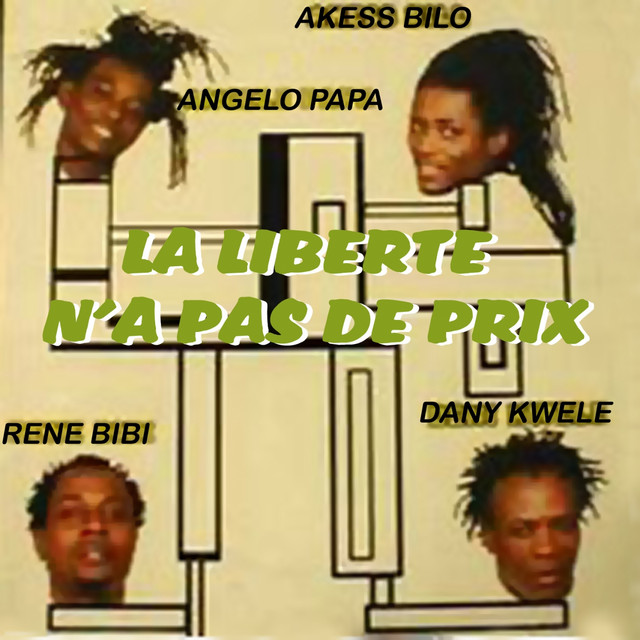
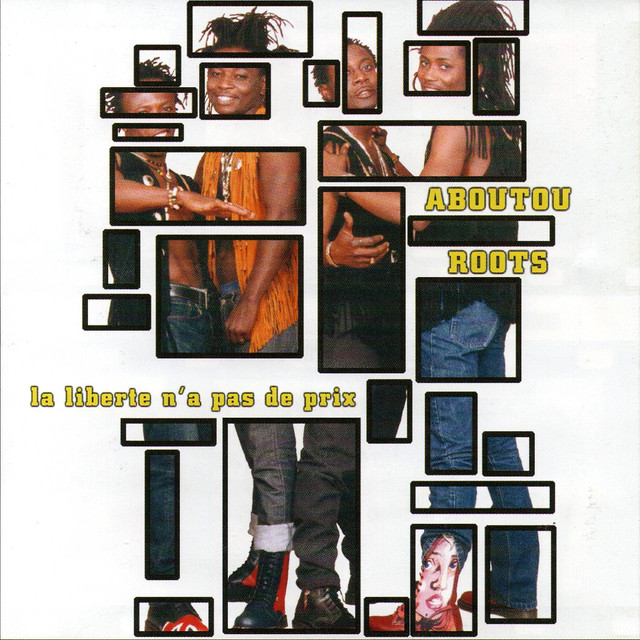
La liberté n'a pas de prix
Aboutou Roots
Mapouka
2012
2
/5
Côte d'Ivoire la blessure (100% Mapouka)
Aboutou Roots
Mapouka
2011
1
/5
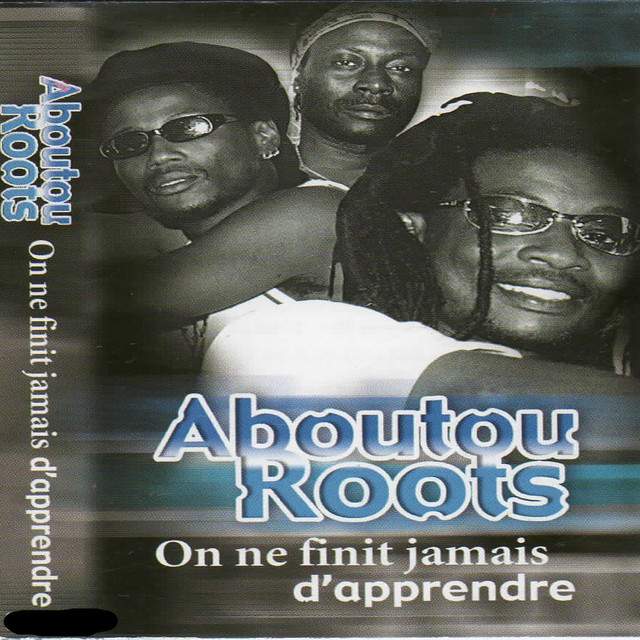
On ne finit jamais d'apprendre
Aboutou Roots
Mapouka
2010
2
/5
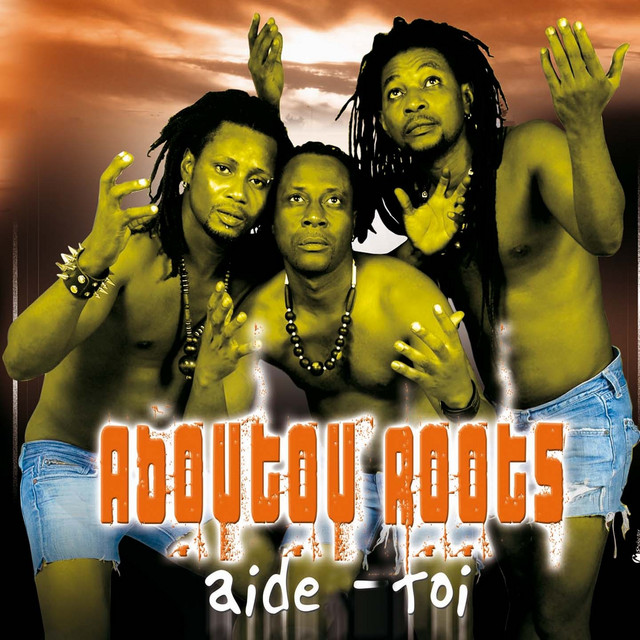
Aide-toi
Aboutou Roots
Mapouka
2009
2
/5
La liberté n'a pas de prix
Aboutou Roots
Mapouka
2009
2
/5
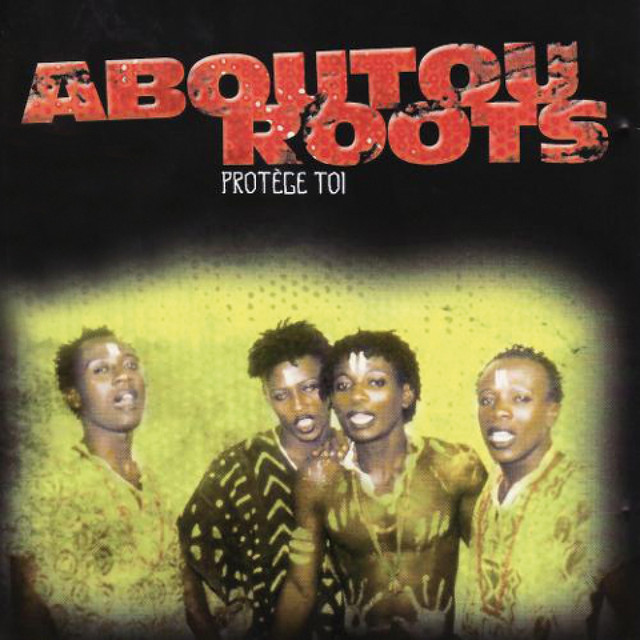
Protège-toi
Aboutou Roots
Mapouka
2004
1
/5
On ne finit jamais d'apprendre
Aboutou Roots
Mapouka
2003
2
/5
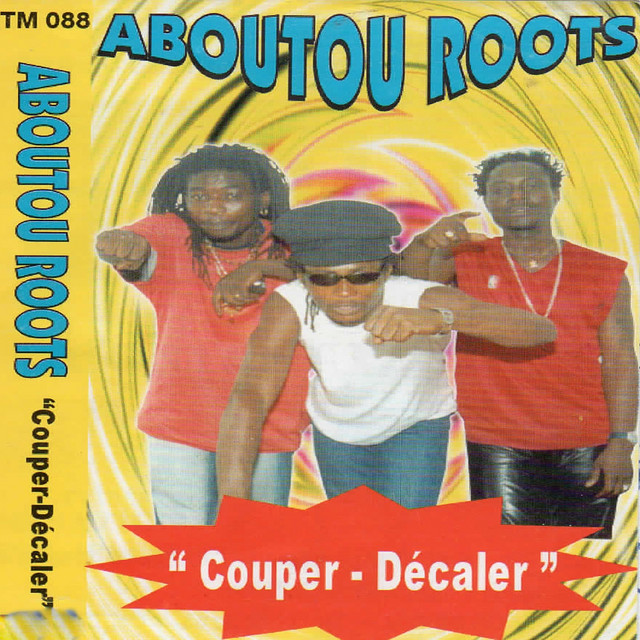
Couper décaler
Aboutou Roots
Mapouka
2002
2
/5
La liberte n'a pas de prix
Aboutou Roots
Mapouka
Similar artists
3
/5
DJ Arafat
Coupé-Décalé
Zouglou
Afrobeat
3
/5
Espoir 2000
Zouglou
Bikutsi
Coupé-Décalé
3
/5
Roseline Layo
Bikutsi
Zouglou
Coupé-Décalé
3
/5
Kedjevara
Coupé-Décalé
Ndombolo
Rap Ivoire
2
/5
Mix Premier
Coupé-Décalé
Bikutsi
Zouglou
2
/5
Mike Alabi
Zouglou
Bikutsi
Congolese Rumba
2
/5
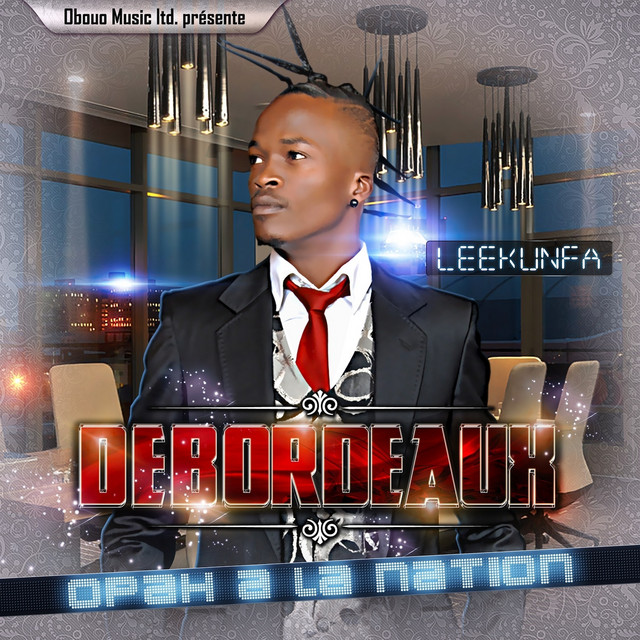
Debordeaux Leekunfa
Bikutsi
Congolese Rumba
Ndombolo
2
/5
Douk Saga
Bikutsi
Congolese Rumba
Ndombolo
1
/5
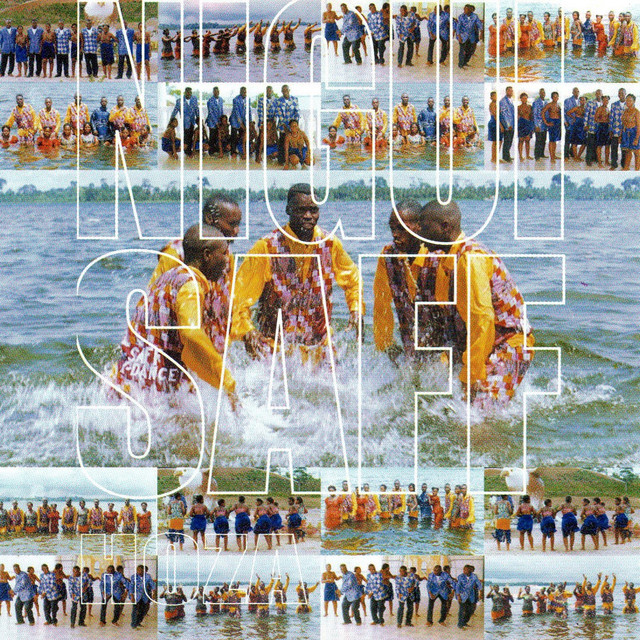
Nigui-Saff K Dance
Mapouka
Coupé-Décalé
Ndombolo
1
/5
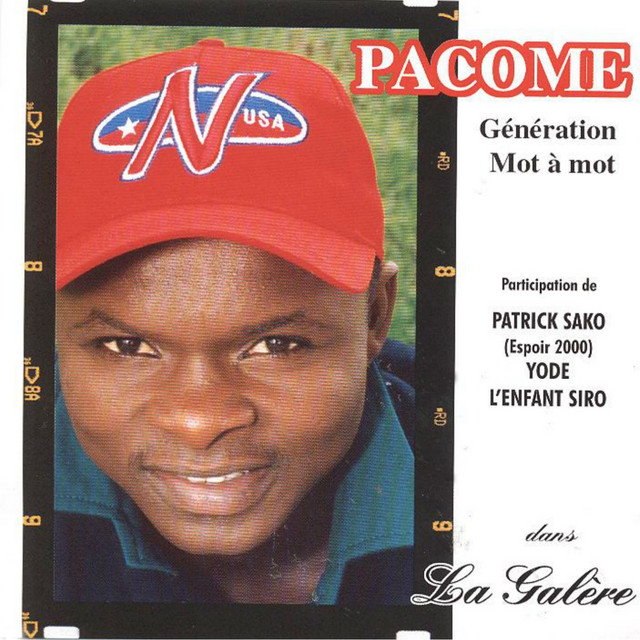
Pacome
Mapouka
Ndombolo
Rap Ivoire
Download our mobile app
Get the Melodigging app and start digging for new genres on the go
Download on the App Store
Get it on Google Play
© 2026 Melodigging
Give feedback
Legal
Melodding was created as a tribute to
Every Noise at Once
, which inspired us to help curious minds keep digging into music's ever-evolving genres.