Genres
Make Music
Artists
Albums
Challenges
Sign in
Sign in
Albums
By Oliver Mtukudzi
Albums
By Oliver Mtukudzi
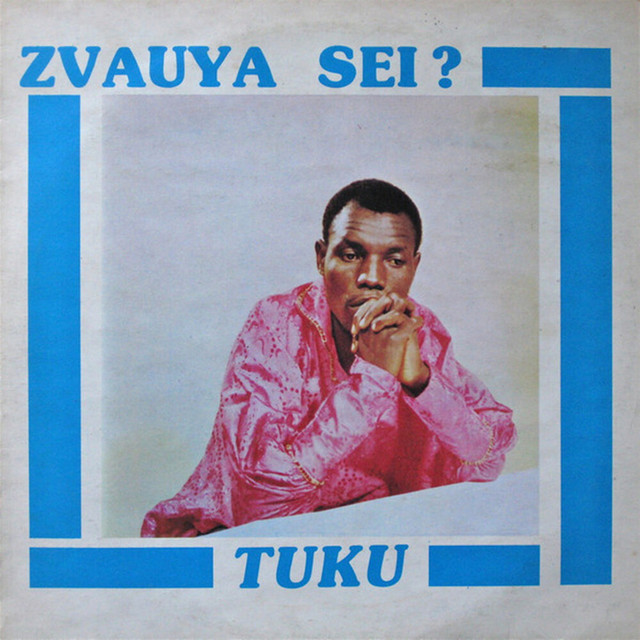
Zvauya Sei?
November 17, 1986
Listen
1
/5
Genres
Venda Pop
Venda pop is a contemporary South African pop style rooted in the language, melodies and dance traditions of the Venda people (from northern Limpopo). Artists typically sing in Tshivenda while blending house‑derived grooves, bright synths, and catchy call‑and‑response hooks. The sound is upbeat and dance‑forward, but keeps a strong sense of place: choruses often use melodic turns and proverb‑like phrasing familiar from Venda folk and ngano (narrative song) practice. Since the late 2010s it has crossed into the national mainstream via hit singles and festival‑scale performances, helping put Tshivenda on big stages and radio playlists across South Africa.
Discover
Listen
Zim Urban Groove
Zim urban groove (often shortened to "Urban Grooves") is a Zimbabwean urban-pop movement that blends contemporary R&B, hip hop, dancehall, kwaito, and mainstream pop into a distinctly local sound. It is characterized by mid‑tempo grooves, glossy synth and guitar textures, catchy choruses, and a fluid mix of Shona, Ndebele, and English lyrics. Vocals alternate between smooth R&B crooning and rap verses, often over dancehall‑leaning or kwaito‑bounced drum patterns. The genre emerged alongside a youth‑driven cultural shift in early‑2000s Zimbabwe, when a new generation of singers, rappers, and producers shaped an aspirational, romantic, and city‑life aesthetic. While club‑friendly and radio‑oriented, it often retains African melodic sensibilities and occasionally references traditional timbres (e.g., marimba/mbira‑inspired motifs) within a modern, polished production style.
Discover
Listen
Kwaito
Kwaito is a South African dance music style that emerged in early- to mid-1990s Johannesburg, defined by slowed-down house grooves, heavy sub-bass, chant-like vocals, and township slang. It blends the four-on-the-floor pulse of house with the call-and-response energy of street culture, drawing on local styles like township jive and mbaqanga as well as global currents such as hip hop and dancehall. The lyrics often celebrate everyday township life, fashion, parties, and post-apartheid freedom, while some artists fold in social commentary. Sonically, kwaito is minimalist and hypnotic: simple chord vamps, catchy synth stabs, whistles, handclaps, and congas carry mid-tempo beats around 95–110 BPM. Its relaxed swagger and communal chants made it both club-friendly and radio-ready, turning it into a defining sound of 1990s and 2000s urban South Africa.
Discover
Listen
Sungura
Sungura is a high-energy, guitar-driven popular music style from Zimbabwe characterized by interlocking lead and rhythm guitar lines, a melodic and highly active bass, and relentless danceable grooves. It blends Congolese rumba/soukous guitar phrasing with Kenyan benga’s bright, trebly picking and local Shona rhythmic sensibilities. Songs often feature extended instrumental passages, call-and-response vocals, and socially grounded lyrics delivered primarily in Shona (and sometimes Ndebele or English). Typical tempos are fast (roughly 120–160 BPM) with a 4/4 or loping 12/8 feel, propelled by drum kit, shakers (hosho), and occasional hand percussion. The mood is celebratory yet reflective, with storytelling that addresses love, morality, work, and everyday life.
Discover
Listen
Chimurenga
Chimurenga is a Zimbabwean popular music style that adapts the cyclical, interlocking melodies and polyrhythms of Shona mbira music to modern band instrumentation. Electric guitars emulate mbira lines, bass holds repetitive ostinatos, and the groove is anchored by hosho (shaker) patterns and a drum kit, creating a trance-like, propulsive feel. The name means “struggle,” and chimurenga is deeply tied to political and social commentary. Lyrics—often in Shona—use metaphor, proverbs, and call-and-response choruses to address liberation, justice, and everyday life. The sound is modal, often mixolydian or minor, with concise harmonic movement that serves the interlocking textures and dance pulse.
Discover
Listen
Rhumba
Rhumba (spelled with an “h”) is the Americanized, ballroom- and big-band-friendly adaptation of Cuban rumba and related Afro‑Cuban dance music. Emerging in the United States during the Latin dance craze of the 1930s, it translated the clave-based grooves and romantic lyricism of Cuban music into a smoother, slower, and more arranged popular dance style suited to hotel ballrooms, Hollywood, and radio. Compared with traditional Cuban rumba and son, American rhumba emphasizes clear phrase structure, a moderate tempo, and lush arrangements featuring strings, horns, and rhythm sections enhanced by Latin percussion. The result is a sensuous, elegant dance music that foregrounds romance and a steady, dancer-friendly pulse.
Discover
Listen
Similar albums
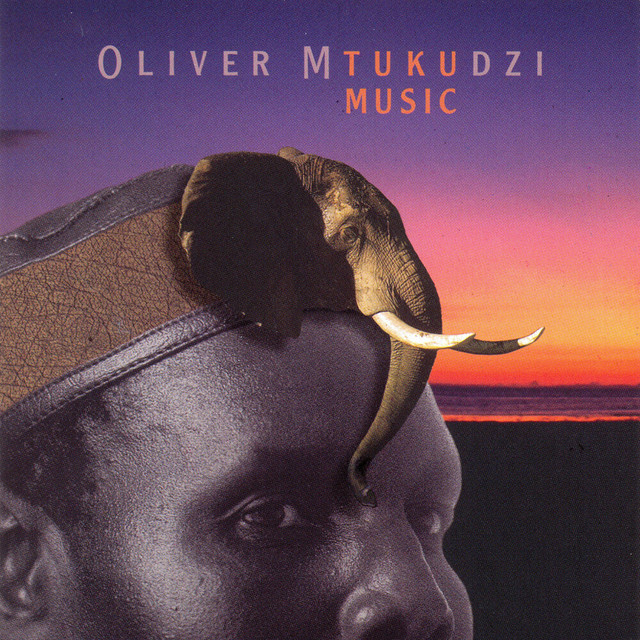
1999
Tuku Music
Oliver Mtukudzi
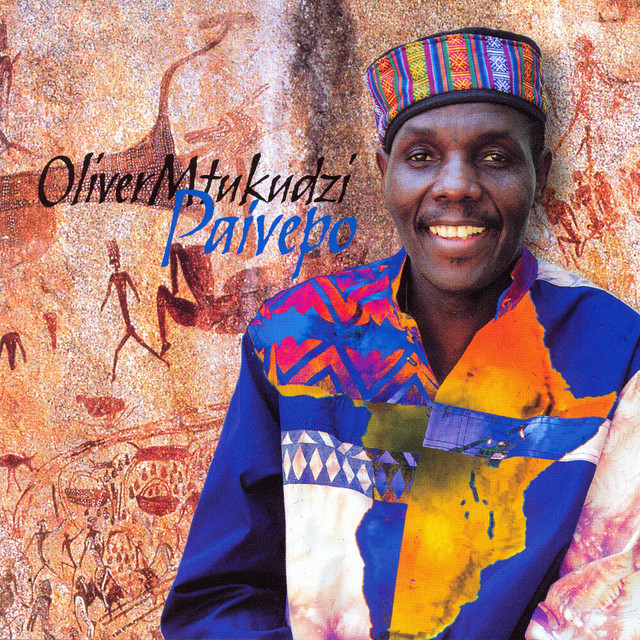
1999
Paivepo
Oliver Mtukudzi
2001
Bvuma (Tolerance)
Oliver Mtukudzi
2004
Collection 1991-1997
Oliver Mtukudzi
2006
Wonai
Oliver Mtukudzi
2018
Neria
Oliver Mtukudzi
2012
Rudaviro
Oliver Mtukudzi
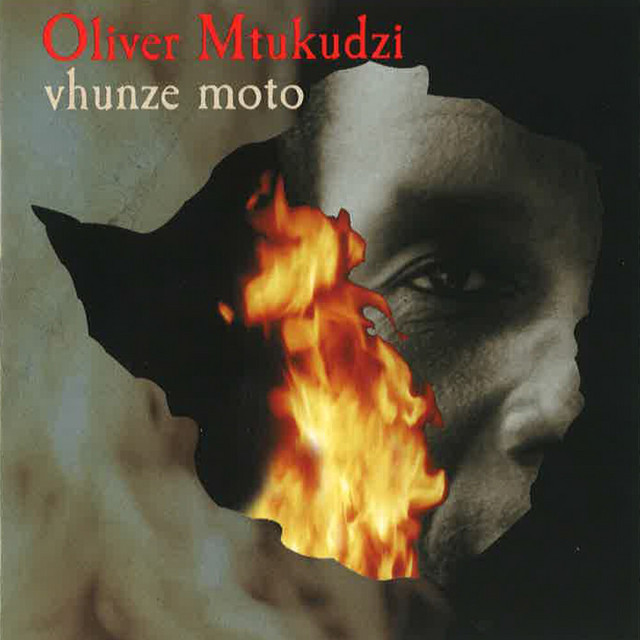
2002
Vhunze Moto
Oliver Mtukudzi
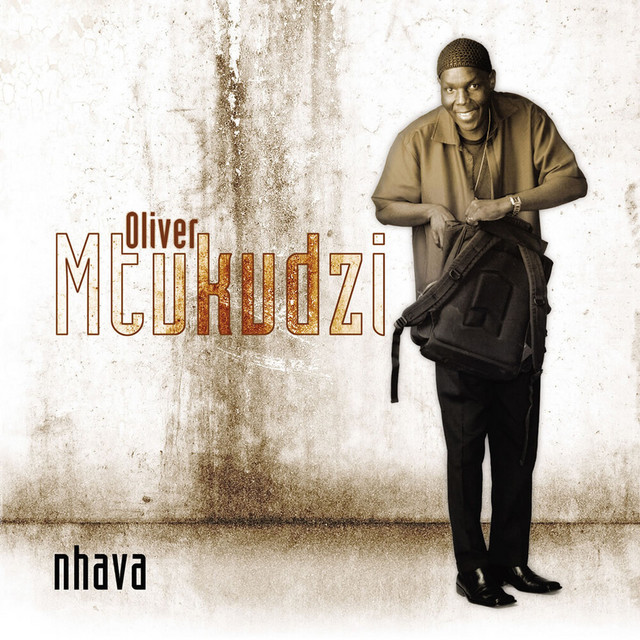
2005
Nhava
Oliver Mtukudzi
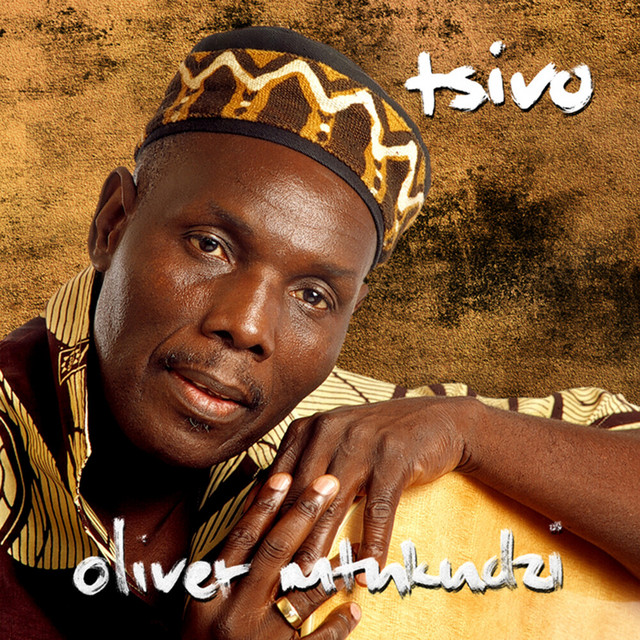
2003
Tsivo
Oliver Mtukudzi
Download our mobile app
Get the Melodigging app and start digging for new genres on the go
Download on the App Store
Get it on Google Play
© 2026 Melodigging
Give feedback
Legal
Melodding was created as a tribute to
Every Noise at Once
, which inspired us to help curious minds keep digging into music's ever-evolving genres.