Genres
Make Music
Artists
Albums
Challenges
Sign in
Sign in
Albums
By Matlubeh Dadabayeva
Albums
By Matlubeh Dadabayeva
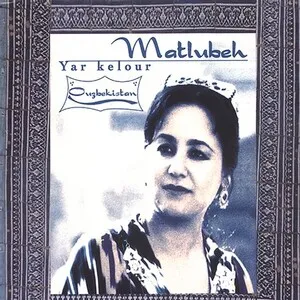
Yar kelour
July 10, 2007
Listen
1
/5
Genres
Shashmaqam
Shashmaqam is the classical modal suite tradition of the Tajik and Uzbek cultural sphere, centered historically in the cities of Bukhara and Samarkand. The name means "six maqams," referring to its six principal modes: Buzruk, Rost, Navo, Dugah, Segah, and Iroq. Each maqam unfolds as a large, multi-movement cycle that alternates instrumental preludes and interludes with highly ornamented vocal pieces set to Persian (Tajik) and Uzbek poetry. Performance is typically heterophonic, with subtle microtonal inflections, intricate melodic ornamentation, and cyclical rhythmic patterns (usul) articulated by the frame drum (doira). Core instruments include long-necked lutes (tanbur, dutar), the bowed sato and ghijak/kamancheh, the end-blown reed flute (nay), and the doira. The repertoire draws on Sufi-inflected lyric traditions and classical ghazal poetry (Hafez, Jami, Navoi, Bedil), balancing introspective mysticism with refined courtly elegance.
Discover
Listen
Uzbek Music
Uzbek music is a broad umbrella for the traditional, classical (maqom), folk, and popular styles of Uzbekistan. At its core lies the courtly shashmaqom tradition—a six-suite modal cycle (Buzruk, Rost, Navo, Dugoh, Segoh, Iroq)—alongside regional styles such as the Ferghana–Tashkent lyrical song (e.g., tanovar), the Khorezm maqom and the virtuosic Lazgi dance music. The sound world is modal, melismatic, and predominantly monophonic or heterophonic rather than harmonically chordal. Melodies unfold within maqom modes using microtonal inflections and characteristic cadences, and are supported by cyclical rhythms (usul) on the doira frame drum. Core instruments include long-necked lutes (dutar, tanbur, sato), the bowed ghijak, end-blown nai, double-reed surnay, ceremonial karnay trumpet, and various percussions. Vocal traditions range from intimate ghazal settings to the powerful, group-projected Katta Ashula and epic dastan singing by bakhshi storytellers. Over the 20th century, Uzbek estrada (popular song) and large ensembles blended these idioms with Western instruments and studio production, while post-independence scenes revived heritage performance practice and fostered globally minded fusions.
Discover
Listen
Similar albums
2013
Ouzbékistan: Musique classique instrumentale
2006
Music of Central Asia Vol. 2: Invisible Face of the Beloved – Classical Music of the Tajiks and Uzbeks
The Academy of Maqâm
2011
Ouzbékistan
Monâjât Yultchieva
2005
Shashmaqam: The Tradition of Bukhara
Ari Babakhanov
2012
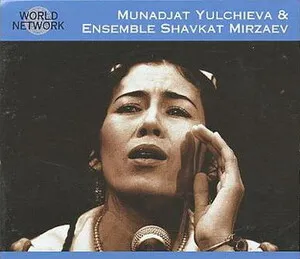
World Network Vol. 38: Uzbekistan - A Haunting Voice
Monâjât Yulchieva & Shavkat Mirzaev Шавкат Мирзаев
2011
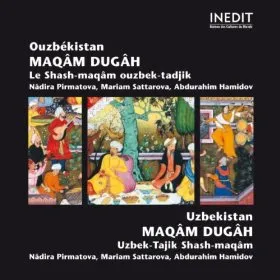
Ouzbékistan / Uzbekistan: Maqâm Dugâh
Nodira Pirmatova / Mariam Sattarova / Abdurahim Hamidov
2023
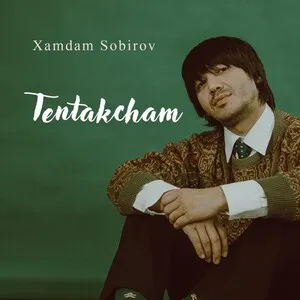
Tentakcham
Xamdam Sobirov
1988
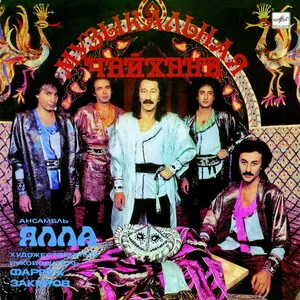
Музыкальная чайхана
Yalla Ялла
1993
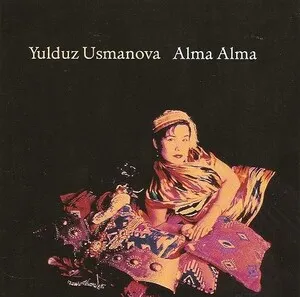
Alma Alma
Yulduz Usmanova
2010
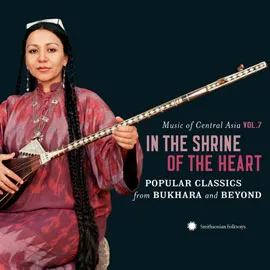
Music of Central Asia Vol. 7: In the Shrine of the Heart - Popular Classics From Bukhara and Beyond
Download our mobile app
Get the Melodigging app and start digging for new genres on the go
Download on the App Store
Get it on Google Play
© 2026 Melodigging
Give feedback
Legal
Melodding was created as a tribute to
Every Noise at Once
, which inspired us to help curious minds keep digging into music's ever-evolving genres.