Genres
Make Music
Artists
Albums
Challenges
Sign in
Sign in
Albums
Albums
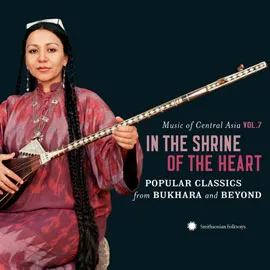
Music of Central Asia Vol. 7: In the Shrine of the Heart - Popular Classics From Bukhara and Beyond
March 30, 2010
Listen
1
/5
Genres
Tajik Music
Tajik music encompasses the traditional, classical, and popular music of the Tajik people in Tajikistan and the broader Central Asian region (notably Bukhara, Samarkand, and the Pamirs). It is rooted in Persianate culture and the maqam modal system, with Tajik language (a variety of Persian) and Pamiri languages shaping its poetic and vocal aesthetics. Its classical pillar is the urban suite tradition of Shashmaqam, while the emblematic mountain style Falak expresses laments and ecstatic praise through highly ornamented, often rubato singing. Pamiri music from Badakhshan adds distinctive modal colors, meters, and polyphonic textures. Across styles, typical instruments include the dutar and tanbur (long‑necked lutes), ghijak/kamancheh (spike fiddle), rubab, nay/ney, and the doira frame drum. Modern Tajik pop blends these timbres and rhythms with contemporary production, keeping the melodic contours and poetic sensibilities of the tradition.
Discover
Listen
Uzbek Music
Uzbek music is a broad umbrella for the traditional, classical (maqom), folk, and popular styles of Uzbekistan. At its core lies the courtly shashmaqom tradition—a six-suite modal cycle (Buzruk, Rost, Navo, Dugoh, Segoh, Iroq)—alongside regional styles such as the Ferghana–Tashkent lyrical song (e.g., tanovar), the Khorezm maqom and the virtuosic Lazgi dance music. The sound world is modal, melismatic, and predominantly monophonic or heterophonic rather than harmonically chordal. Melodies unfold within maqom modes using microtonal inflections and characteristic cadences, and are supported by cyclical rhythms (usul) on the doira frame drum. Core instruments include long-necked lutes (dutar, tanbur, sato), the bowed ghijak, end-blown nai, double-reed surnay, ceremonial karnay trumpet, and various percussions. Vocal traditions range from intimate ghazal settings to the powerful, group-projected Katta Ashula and epic dastan singing by bakhshi storytellers. Over the 20th century, Uzbek estrada (popular song) and large ensembles blended these idioms with Western instruments and studio production, while post-independence scenes revived heritage performance practice and fostered globally minded fusions.
Discover
Listen
Kyrgyz Traditional Music
Kyrgyz traditional music is the oral, largely monophonic musical culture of the nomadic Kyrgyz people of the Tien Shan. It centers on epic recitation (most famously the Manas cycle) and instrumental pieces called küy performed on the komuz, a fretless three‑string lute. Its sound world blends flexible, speech‑like vocal declamation with pentatonic and heptatonic modal melodies, drones, and heterophonic textures. Typical instruments include the komuz, temir komuz (jaw harp), kyl kyyak (two‑string spike fiddle), choor/sybyzgy (end‑blown flutes), and frame or hand percussion. Performances often feature dramatic timbral changes, ornaments, and rhythmic freedom, reflecting both pre‑Islamic shamanic strata and later Islamic poetic and musical aesthetics.
Discover
Listen
Similar albums
2006
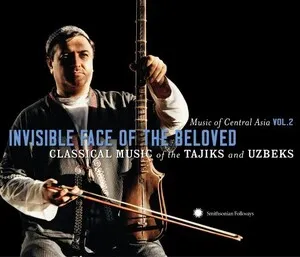
Music of Central Asia Vol. 2: Invisible Face of the Beloved – Classical Music of the Tajiks and Uzbeks
The Academy of Maqâm
2011
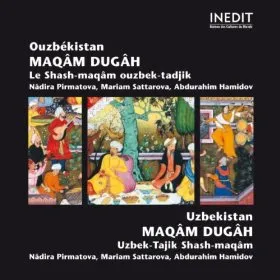
Ouzbékistan / Uzbekistan: Maqâm Dugâh
Nodira Pirmatova / Mariam Sattarova / Abdurahim Hamidov
1957
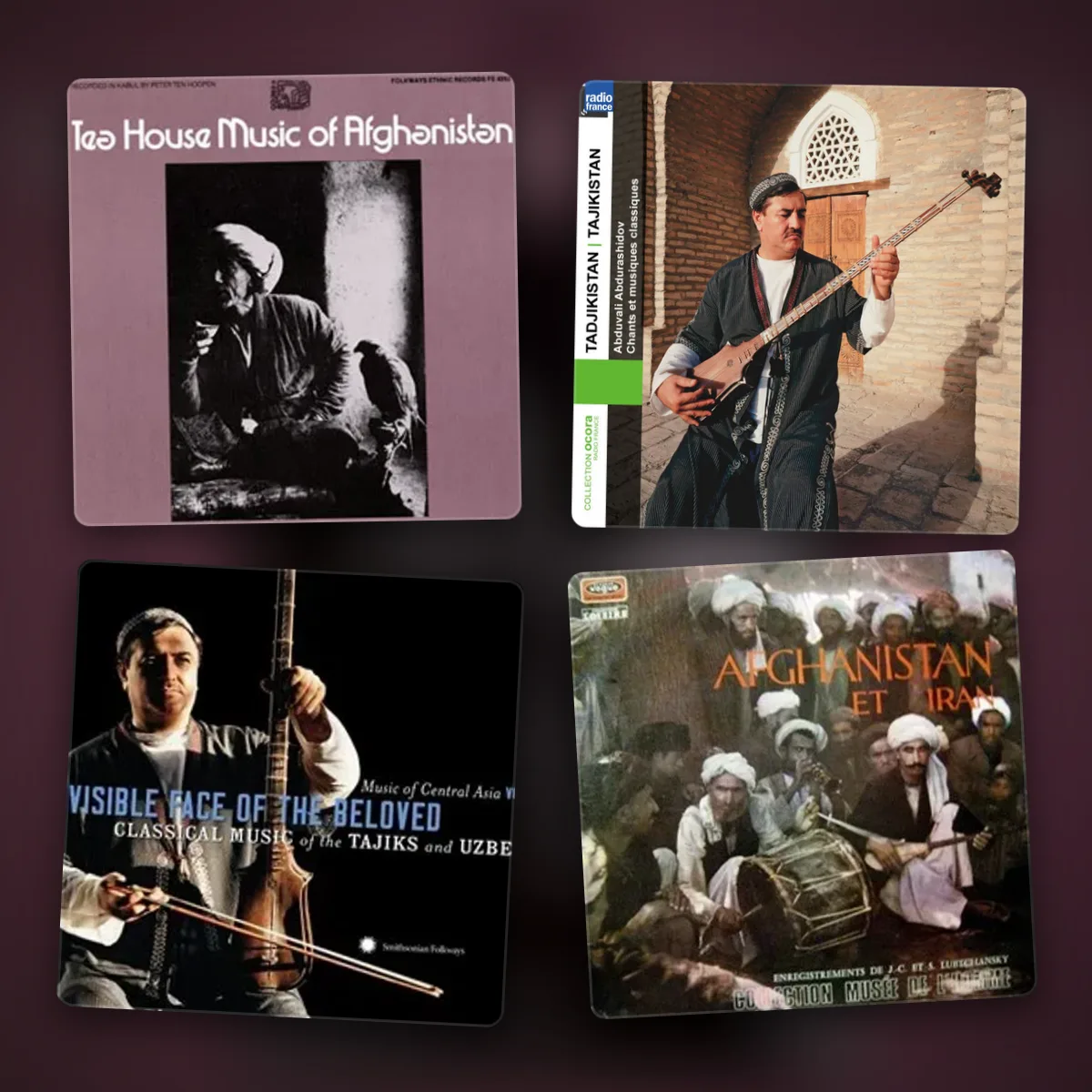
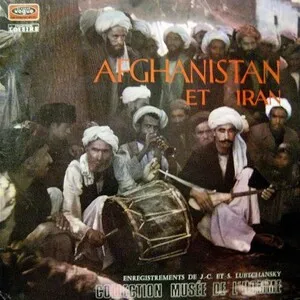
Afghanistan et Iran
Jean-Claude Lubtchansky / S. Lubtchansky
2023
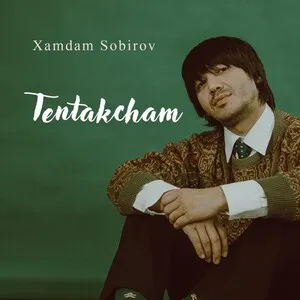
Tentakcham
Xamdam Sobirov
2006
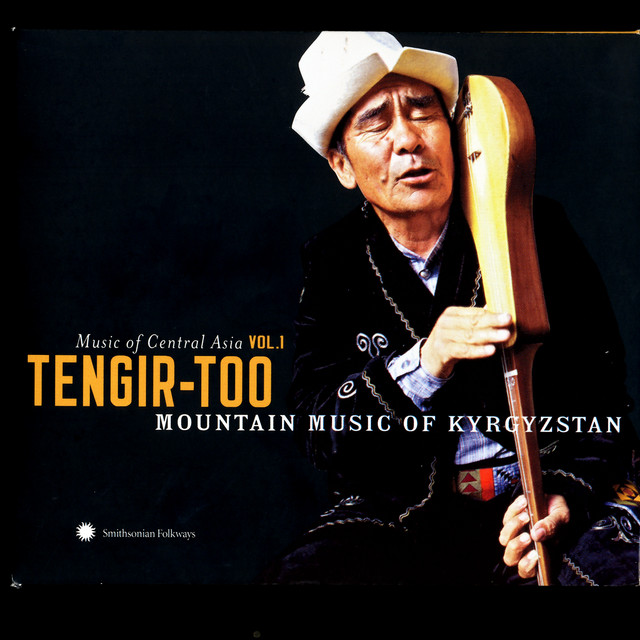
Music of Central Asia Vol. 1: Mountain Music of Kyrgyzstan
Tengir-Too
1988
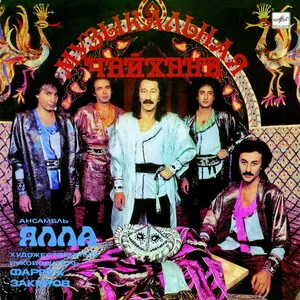
Музыкальная чайхана
Yalla Ялла
2022
The Music of Legends
Ordo Sakhna
2001
The Voice of Kyrgyzstan
Salamat Sadikova
2017
Moritz von Oswald & Ordo Sakhna
Moritz von Oswald & Ordo Sakhna
2022
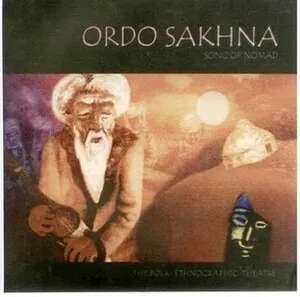
The Song of Nomad
Ordo Sakhna
Download our mobile app
Get the Melodigging app and start digging for new genres on the go
Download on the App Store
Get it on Google Play
© 2026 Melodigging
Give feedback
Legal
Melodding was created as a tribute to
Every Noise at Once
, which inspired us to help curious minds keep digging into music's ever-evolving genres.