Genres
Make Music
Artists
Albums
Challenges
Sign in
Sign in
Albums
By MASS OF THE FERMENTING DREGS
Albums
By MASS OF THE FERMENTING DREGS
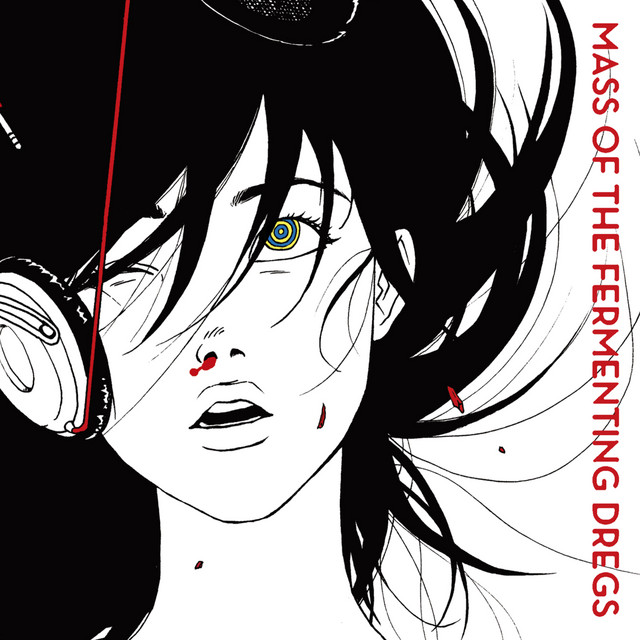
World Is Yours ワールドイズユアーズ
January 21, 2009
Listen
4
/5
Genres
Shimokita-Kei
Shimokita-kei refers to the guitar-centric indie/alt-rock sound and scene centered around Shimokitazawa, a bohemian neighborhood in Tokyo known for its dense network of small “live houses,” record shops, and theaters. Unlike the cosmopolitan, sample-savvy polish of Shibuya-kei, Shimokita-kei is defined by sweaty club energy, DIY ethos, jangly and overdriven guitars, and heartfelt, everyday-life lyricism. The music blends Japanese indie and alternative rock with punk bite, emo earnestness, shoegaze textures, and power-pop melodicism—often delivered through sing-along hooks designed for intimate venues.
Discover
Listen
Shibuya-Kei
Shibuya-kei is a Japanese pop micro‑genre that emerged from Tokyo’s Shibuya district in the early–mid 1990s. It blends 1960s French yé‑yé, bossa nova, lounge/easy listening, baroque pop, jazz, sunshine pop, and slick city‑pop with contemporary sampling and electronic production. The style is cosmopolitan and retro‑futurist: it celebrates crate‑digging, witty pastiche, and graphic design/fashion as much as music. Songs often feature breezy melodies, airy or whispery vocals in Japanese, English, or French, and richly orchestrated arrangements that feel both nostalgic and playful.
Discover
Listen
Math Rock
Math rock is a subgenre of indie and experimental rock defined by complex, irregular rhythms, sudden dynamic shifts, and angular, interlocking guitar lines. It frequently employs odd and mixed meters (such as 5/4, 7/8, 11/8), polyrhythms, start–stop figures, and intricate syncopation. Guitars often favor clean or lightly overdriven tones, tapping, and harmonically adventurous voicings over traditional power-chord riffing. Vocals, if present, are usually sparse, textural, or rhythmically coordinated with the ensemble rather than the primary focal point. Aesthetically, math rock draws from the precision and structural ambition of progressive rock, the urgency of post-hardcore, and the textural curiosity of indie and noise rock, resulting in music that feels both cerebral and visceral.
Discover
Listen
Post-Hardcore
Post-hardcore is a branch of hardcore punk that retains the style’s urgency and DIY ethos while expanding its musical vocabulary. Bands push beyond breakneck tempos and simple power-chord progressions into more dynamic song structures, varied rhythms, and a wider emotional range. Guitars often alternate between caustic distortion and clean, chiming textures; vocals can shift from shouted slogans to melodic singing; and arrangements emphasize tension-and-release, odd meters, and dramatic builds. Lyrically, post-hardcore tends to be more introspective and socially conscious than its hardcore roots, touching on personal, political, and philosophical themes.
Discover
Listen
Indie Rock
Indie rock is a subgenre of rock and a branch of alternative rock that coalesced in the early–mid 1980s around independent labels and DIY practices in the United Kingdom, the United States, and New Zealand. Defined less by a single sound than by an ethos, indie rock favors non‑mainstream approaches, self‑recording and small‑label distribution, and an interest in pop‑informed melody and eclectic experimentation. Hallmarks include jangly or fuzzed guitars, intimate or deadpan vocals, off‑kilter song structures, and production that often preserves a raw, “authentic” feel rather than glossy studio polish.
Discover
Listen
J-Rock
J-rock (Japanese rock) is the umbrella term for rock music created in Japan, spanning everything from classic rock, punk, and metal to alternative, indie, and progressive strains. It blends Western rock instrumentation and songcraft with Japanese melodic sensibilities, crisp production, and lyrics primarily in Japanese (often mixed with some English phrases). Typical features include hook-forward choruses, expressive guitar leads, tight rhythm sections, and dynamic arrangements that can pivot from delicate verses to big, anthemic refrains. Because of Japan’s media ecosystem, J-rock frequently intersects with anime, TV dramas, and video games, which helps bands reach mainstream audiences while retaining a band-centric, live-performance identity. Although stylistically diverse, J-rock commonly emphasizes memorable melodies, emotional catharsis, and precise musicianship, with influences ranging from British Invasion and classic rock to punk/new wave, progressive rock, and heavy metal.
Discover
Listen
Rock
Rock is a broad family of popular music centered on amplified instruments, a strong backbeat, and song forms that foreground riffs, choruses, and anthemic hooks. Emerging from mid‑20th‑century American styles like rhythm & blues, country, and gospel-inflected rock and roll, rock quickly expanded in scope—absorbing folk, blues, and psychedelic ideas—while shaping global youth culture. Core sonic markers include electric guitar (often overdriven), electric bass, drum kit emphasizing beats 2 and 4, and emotive lead vocals. Rock songs commonly use verse–chorus structures, blues-derived harmony, and memorable melodic motifs, ranging from intimate ballads to high‑energy, stadium‑sized performances.
Discover
Listen
Similar albums
2007
Inspiration Is Dead
Ling Tosite Sigure 凛として時雨
2005
#4
Ling Tosite Sigure 凛として時雨
2012
Sports
Modern Baseball
2008
Dance Gavin Dance
Dance Gavin Dance
2009
The Last Thing You Forget
Title Fight
2000
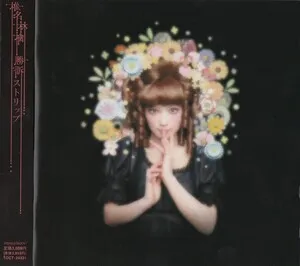
Shouso Strip 勝訴ストリップ
Sheena Ringo 椎名林檎
2022
Jackpot Juicer
Dance Gavin Dance
2017
Yeah, No, I Know
Macseal
2020
Just Got Back From the Discomfort—We're Alright
The Brave Little Abacus
2025
Groovy Indian Summer
honeydip
Download our mobile app
Get the Melodigging app and start digging for new genres on the go
Download on the App Store
Get it on Google Play
© 2026 Melodigging
Give feedback
Legal
Melodding was created as a tribute to
Every Noise at Once
, which inspired us to help curious minds keep digging into music's ever-evolving genres.