Genres
Make Music
Artists
Albums
Challenges
Sign in
Sign in
Albums
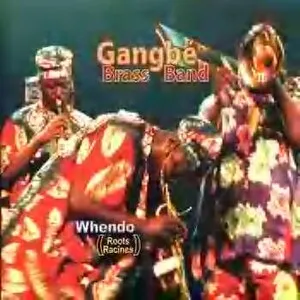
By Gangbé Brass Band
Albums
By Gangbé Brass Band
Whendo
May 1, 2004
Listen
1
/5
Genres
World
World music is a broad, industry-coined umbrella for traditional, folk, and contemporary popular styles from around the globe that fall outside the Anglo-American pop mainstream. The label emerged in the 1980s as a retail and marketing category to group diverse regional musics for international distribution. Musically, it spans acoustic and electric instrumentation; modal, pentatonic, and microtonal pitch systems; and rhythms ranging from cyclical grooves and polyrhythms to asymmetrical meters. While the term can obscure local specificity, it also facilitated cross-cultural collaboration, festivals, and recordings that brought regional genres to wider audiences.
Discover
Listen
Afrobeat
Afrobeat is a horn-driven, polyrhythmic, and politically charged style that emerged in Nigeria, spearheaded by bandleader Fela Kuti and drummer Tony Allen. It fuses West African highlife and juju with American funk, jazz, and soul to create extended, hypnotic grooves. Typical tracks revolve around interlocking guitar and keyboard ostinatos, elastic bass vamps, dense percussion (shekere, congas, agogô, cowbell), and tightly arranged horn riffs that punctuate the beat. Vocals often use call-and-response and socially conscious lyrics, delivered in English, Nigerian Pidgin, or Yoruba. Harmonically sparse but rhythmically intricate, Afrobeat prioritizes feel: long, evolving arrangements, richly syncopated drum patterns, and sectional dynamics that spotlight solos and collective interplay.
Discover
Listen
Jùjú
Jùjú is a Yoruba-rooted popular music from southwestern Nigeria that blends indigenous percussion and call-and-response vocals with guitar-driven dance grooves. It is characterized by interlocking electric and steel guitars, talking drums (dundun family), shekere shakers, and long, flowing performances built on cyclical vamps. Often performed at weddings, ceremonies, and social gatherings, jùjú features praise-singing (oríkì), proverbial lyrics, and a warm, uplifting atmosphere that invites communal dancing.
Discover
Listen
Brass Band
Brass band refers to ensemble-driven music performed primarily by brass instruments and percussion, with a sound characterized by powerful, blended timbres, antiphonal choirs, and a strong emphasis on melody and counter-melody. In its most codified form (the British-style brass band), the ensemble uses cornets, flugelhorn, tenor horns, baritones, euphoniums, trombones, tubas, and percussion, all written in transposed parts to create a homogenous, organ-like sonority. Repertoire spans marches, hymn tune settings, operatic and orchestral transcriptions, original contest works, and light music. Globally, the term also encompasses regional traditions such as New Orleans parade/second-line bands (merging ragtime, early jazz, and funk), and Balkan Romani brass bands (fast dance meters and virtuosic ornamentation), showing the format’s adaptability across cultures and celebrations.
Discover
Listen
Yoruba Music
Yoruba music refers to the traditional and popular musical practices of the Yoruba people of southwestern Nigeria and neighboring regions. It is built on polyrhythmic drum ensembles, call‑and‑response vocals, and praise poetry (oríkì) that celebrates deities, lineages, and notable individuals. Core instruments include the dùndún (talking drum) family, bàtá drums used in Òrìṣà ceremonies, sẹ̀kẹ̀rẹ̀ (gourd rattle), agogô (iron bell), sakara (frame drum), omele (support drums), and agídìgbò (a box lamellophone/bass thumb piano). Melodies closely follow the tonal contours of the Yoruba language, while lead drummers “speak” phrases on pressure drums. Across the 20th century, Yoruba music provided the foundation for modern styles such as jùjú, apala, sakara, waka, and fuji, and strongly informed pan‑African and global genres like afrobeat and afrobeats.
Discover
Listen
Fon Music
Fon music refers to the traditional music of the Fon people of present-day Benin, centered historically in the Kingdom of Dahomey. It is deeply intertwined with Vodun (Vodou) ceremonial life, court traditions, and communal celebrations. Musically, Fon ensembles are built around interlocking polyrhythms: a time‑keeping bell pattern (often a double bell) and rattles anchor the groove while multiple hand- and stick-played drums layer complementary parts. Call-and-response singing, responsorial chants, and praise texts in the Fon language are common. Melodic instruments are sparing in traditional settings; rhythm, voice, and timbre are primary, with dance inseparable from performance. Distinct regional/dance styles such as zinli and tchinkoumé emphasize different drum timbres, tempos, and movement vocabularies, while ceremonial repertoires for specific Vodun deities use characteristic rhythms and songs.
Discover
Listen
Similar albums
2009
Nigeria 70 - Funky Lagos
King Sunny Ade
2000
Seven Degrees North
King Sunny Adé
1995
E dide Get Up
King Sunny Adé
2012
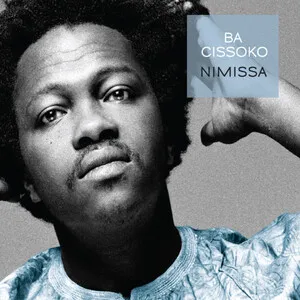
Nimissa
Ba Cissoko
1981
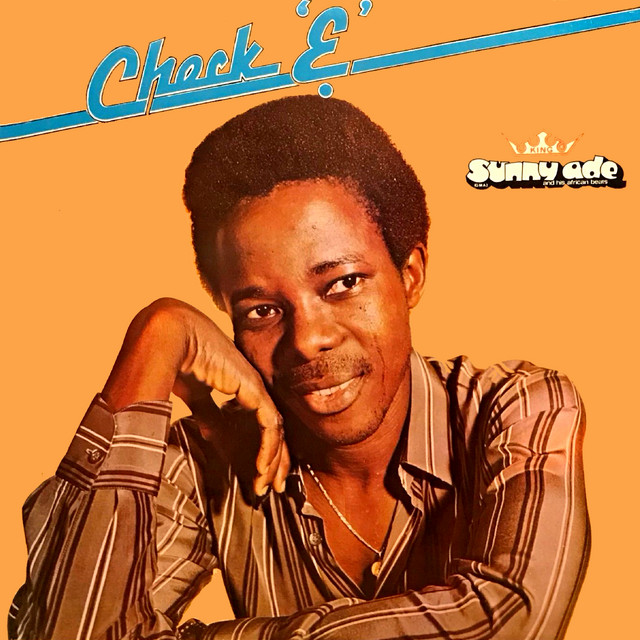
Check "E"
King Sunny Adé
2021
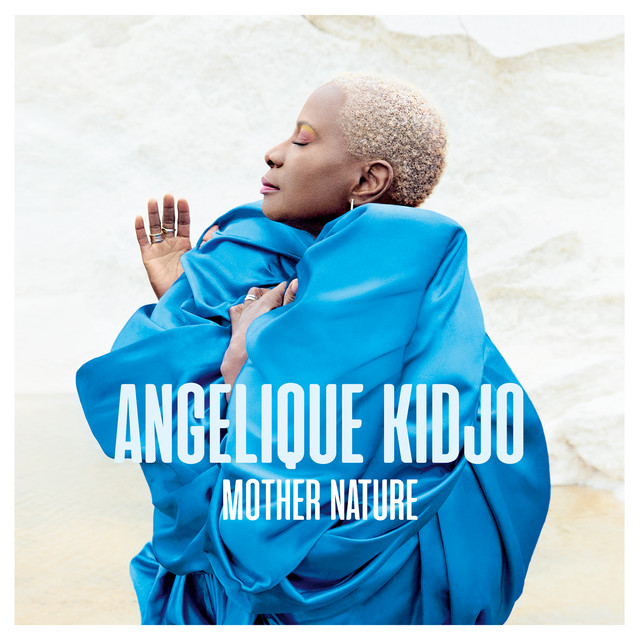
Mother Nature
Angélique Kidjo
2012
In London
Ebenezer Obey
2019
Nigeria 70: No Wahala: Highlife, Afro-Funk & Juju 1973-1987
Odeyemi
1960
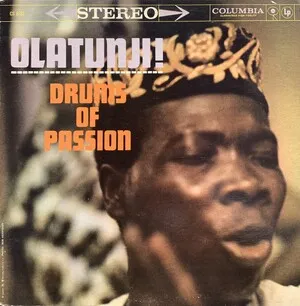
Drums of Passion
Olatunji!
1971
The Master Guitarist, Vol.1
Sunny Adé & His Green Spot Band
Download our mobile app
Get the Melodigging app and start digging for new genres on the go
Download on the App Store
Get it on Google Play
© 2026 Melodigging
Give feedback
Legal
Melodding was created as a tribute to
Every Noise at Once
, which inspired us to help curious minds keep digging into music's ever-evolving genres.