Genres
Make Music
Artists
Albums
Challenges
Sign in
Sign in
Albums
By Steven Feld
Albums
By Steven Feld
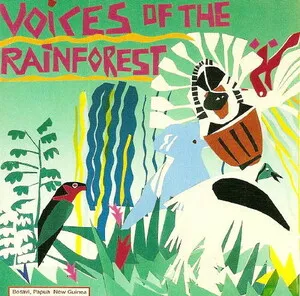
Voices of the Rainforest
January 1, 1991
Listen
1
/5
Genres
Folk
Folk is a song-centered acoustic tradition rooted in community storytelling, everyday life, and social history. It emphasizes clear melodies, simple harmonies, and lyrics that foreground narrative, protest, and personal testimony. As a modern recorded genre, folk coalesced in the early-to-mid 20th century in the United States out of older ballad, work song, and rural dance traditions. It typically features acoustic instruments (guitar, banjo, fiddle, mandolin, harmonica), strophic song forms, and participatory singing (choruses, call-and-response).
Discover
Listen
Melanesian Music
Melanesian music is an umbrella term for the traditional and contemporary sounds of the Melanesian region—principally Papua New Guinea, Solomon Islands, Vanuatu, Fiji, and New Caledonia. It blends deep-rooted indigenous practices (polyphonic choral singing, panpipes, log drums, bamboo ensembles, conch shells, dances tied to ceremony and land) with influences introduced through missionization and global media (Christian hymnody, string-band guitar/ukulele, country, and later reggae/dancehall grooves). Vocal harmony—often in rich, close parts—call-and-response, and cyclical, dance-centered rhythms are core features, while lyrics move between local languages and lingua francas like Tok Pisin, Bislama, and Pijin. Contemporary Melanesian pop includes string-band ballads, island-reggae fusions, kaneka (New Caledonia), and Fijian vude, yet it retains a communal, participatory ethos that foregrounds kinship, kastom (custom), and connection to place.
Discover
Listen
Field Recording
Field recording is the practice and genre of capturing sounds in situ—outside the studio—using portable recording equipment. It centers on documenting environments, human activities, wildlife, weather, machinery, rituals, and music as they actually occur, often with minimal intervention. As a listening genre, field recording foregrounds place and presence. Releases may present unprocessed, extended takes (e.g., a shoreline at dawn), or carefully edited sequences that map a soundwalk, a village festival, or a factory floor. The results range from documentary-style fidelity to abstract, immersive soundscapes that emphasize texture, spatiality, and the ecology of sound.
Discover
Listen
Papuan Folk Music
Papuan folk music refers to the traditional and community-based music of the Indigenous peoples of the island of New Guinea, spanning today’s Papua New Guinea and the Indonesian provinces of Papua and West Papua. It encompasses hundreds of distinct musical micro-traditions tied to language groups, clans, and ecological zones from coastal islands to highland valleys. Core soundworlds include the deep pulse of kundu/tifa hand drums and garamut slit drums, bright bamboo flutes and panpipes, resonant conch shells, rattles and seed shakers, and the susap (mouth harp), often used in courtship. Vocals are central: unison or tightly interlocking group singing, call-and-response, vocables, and heterophony are common, with scales ranging from pentatonic and anhemitonic to locally specific tunings and microtonal inflections. Music functions in ceremony and daily life—initiation and bridewealth exchanges, origin-myth performances, mourning, canoe launches, sago harvests, and warrior dances. Dance is inseparable from the sound, with body adornment, mask traditions, and synchronized movement shaping the rhythm and phrasing. In coastal areas, gong-chime sets and later guitar/ukulele string-band textures intersect with older idioms, while highland aerophone traditions favor bamboo and bone flutes, bullroarers, and powerful communal chant.
Discover
Listen
Oceanian Music
Oceanian music is an umbrella term for the traditional and modern musical practices of the peoples of Oceania, including Australia, Melanesia, Micronesia, and Polynesia. It encompasses Indigenous Australian songlines and didjeridu traditions, Papuan and Melanesian slit-drum ensembles, Micronesian multipart choral singing, and Polynesian chant-and-dance repertoires alongside later influences such as hymnody, string-band, slack-key guitar, ukulele ensembles, reggae-derived "island" styles, and contemporary popular music. Characteristic features include participatory group singing; strong ties between music, dance, and ceremony; interlocking rhythmic patterns on wooden slit drums; antiphonal and responsorial vocal textures; and narratives that honor land, sea, kinship, and ancestry. In the modern era, Oceanian music often blends local languages and timbres with imported instruments and global genres, producing distinctive fusions that remain rooted in community and place.
Discover
Listen
Similar albums
2000
Serious Tam
Telek
2005
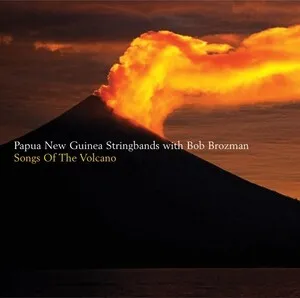
Songs of the Volcano
Alir Pukai Stringband / Drop Sun Band / Eagle Voice Band / Gilnata Stringband /…
2018
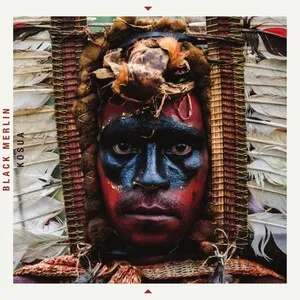
Kosua
Black Merlin
1993
Facing Future
Israel "IZ" Kamakawiwoʻole
2008
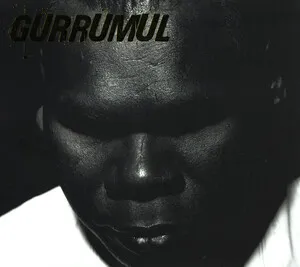
Gurrumul
Gurrumul
2003
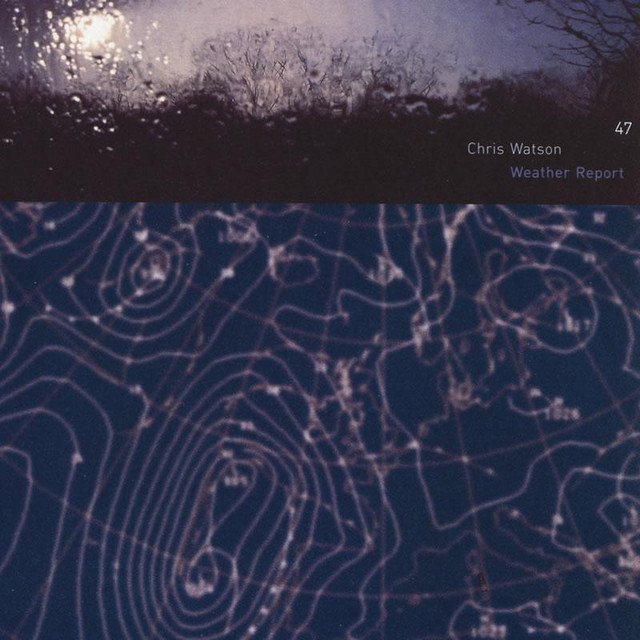
Weather Report
Chris Watson
1966
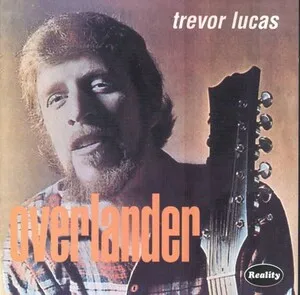
Overlander
Trevor Lucas
2011
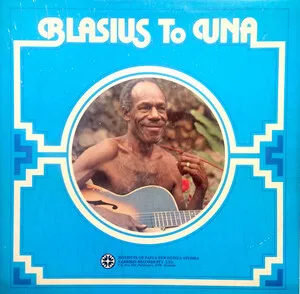
Guitar Songs of Papua New Guinea
Blasius To Una Turtavu
2012
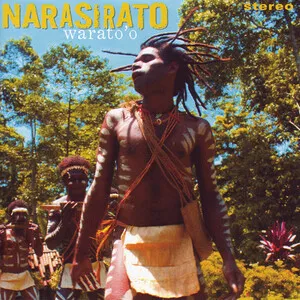
Warato'o
Narasirato
2016
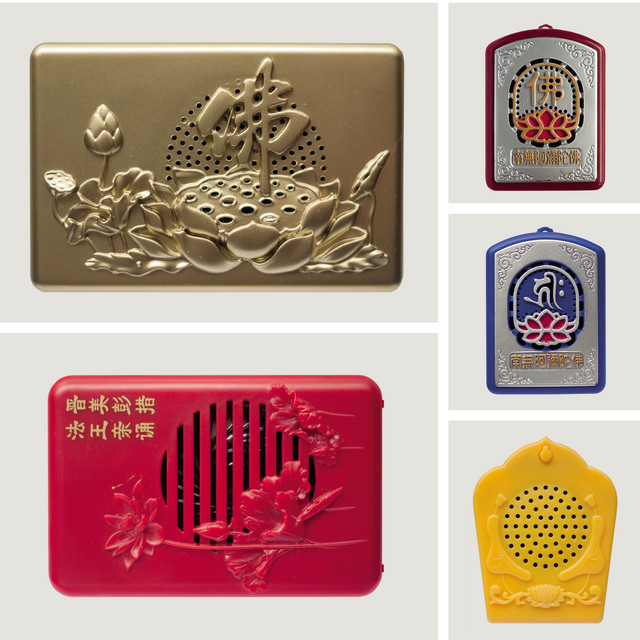
Chang Fo Ji: Buddha Loops From China & Tibet
Kink Gong
Download our mobile app
Get the Melodigging app and start digging for new genres on the go
Download on the App Store
Get it on Google Play
© 2026 Melodigging
Give feedback
Legal
Melodding was created as a tribute to
Every Noise at Once
, which inspired us to help curious minds keep digging into music's ever-evolving genres.