Genres
Make Music
Artists
Albums
Challenges
Sign in
Sign in
Albums
By Narasirato
Albums
By Narasirato
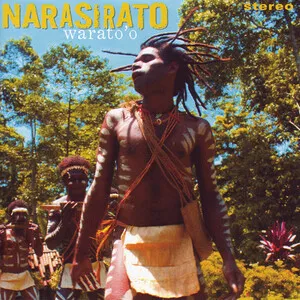
Warato'o
May 7, 2012
Listen
1
/5
Genres
Austronesian Music
Austronesian music is an umbrella term for the diverse musical traditions of Austronesian-speaking peoples, whose homelands stretch from Taiwan through Island Southeast Asia to Oceania and Madagascar. Across this vast region, common threads recur: strong communal vocal practices (call-and-response, responsorial choruses, and polyphonic or heterophonic textures), cyclic and interlocking rhythms, and an emphasis on idiophones and membranophones such as slit drums, gong-chime ensembles (e.g., gamelan and kulintang), and bamboo percussion. Melodies often favor anhemitonic pentatonic scales, limited ranges, and formulaic, chant-like contours, while dance and music are tightly integrated in ritual and social life (e.g., hula, siva, haka, and fatele). Local instrumentation and style vary widely—ukulele, slack-key guitar, and himene tarava in Polynesia; gong-row ensembles, kotekan interlocking, and metallophones in Indonesia; kulintang suites in the southern Philippines; nose flutes and bamboo zithers across the region; and valiha (tube zither) in Madagascar—yet they share maritime, oral-poetic, and communal aesthetics shaped by millennia of seafaring and exchange.
Discover
Listen
Melanesian Music
Melanesian music is an umbrella term for the traditional and contemporary sounds of the Melanesian region—principally Papua New Guinea, Solomon Islands, Vanuatu, Fiji, and New Caledonia. It blends deep-rooted indigenous practices (polyphonic choral singing, panpipes, log drums, bamboo ensembles, conch shells, dances tied to ceremony and land) with influences introduced through missionization and global media (Christian hymnody, string-band guitar/ukulele, country, and later reggae/dancehall grooves). Vocal harmony—often in rich, close parts—call-and-response, and cyclical, dance-centered rhythms are core features, while lyrics move between local languages and lingua francas like Tok Pisin, Bislama, and Pijin. Contemporary Melanesian pop includes string-band ballads, island-reggae fusions, kaneka (New Caledonia), and Fijian vude, yet it retains a communal, participatory ethos that foregrounds kinship, kastom (custom), and connection to place.
Discover
Listen
Oceanian Music
Oceanian music is an umbrella term for the traditional and modern musical practices of the peoples of Oceania, including Australia, Melanesia, Micronesia, and Polynesia. It encompasses Indigenous Australian songlines and didjeridu traditions, Papuan and Melanesian slit-drum ensembles, Micronesian multipart choral singing, and Polynesian chant-and-dance repertoires alongside later influences such as hymnody, string-band, slack-key guitar, ukulele ensembles, reggae-derived "island" styles, and contemporary popular music. Characteristic features include participatory group singing; strong ties between music, dance, and ceremony; interlocking rhythmic patterns on wooden slit drums; antiphonal and responsorial vocal textures; and narratives that honor land, sea, kinship, and ancestry. In the modern era, Oceanian music often blends local languages and timbres with imported instruments and global genres, producing distinctive fusions that remain rooted in community and place.
Discover
Listen
Similar albums
2000
Serious Tam
Telek
2005
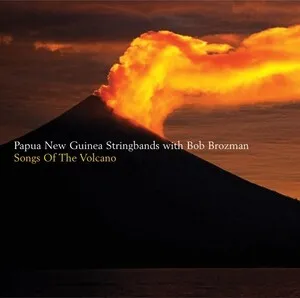
Songs of the Volcano
Alir Pukai Stringband / Drop Sun Band / Eagle Voice Band / Gilnata Stringband /…
1979
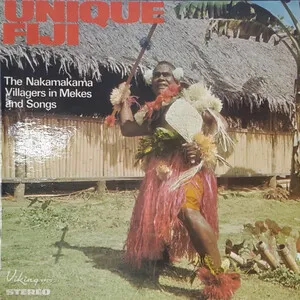
Unique Fiji: The Nakamakama Villagers in Mekes and Songs
The Nakamakama Villagers
1993
Facing Future
Israel "IZ" Kamakawiwoʻole
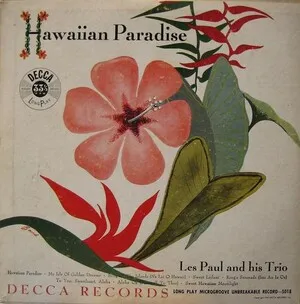
1949
Hawaiian Paradise
Les Paul and His Trio
1975
Volume 1
The Gabby Pahinui Hawaiian Band
1972
Gabby
Gabby Pahinui
1958
Hawaiian Sunset: The Sounds of Arthur Lyman
Arthur Lyman
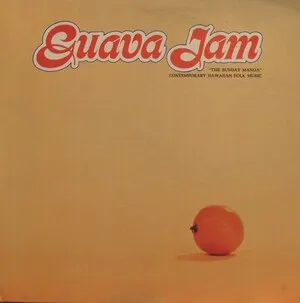
1969
Guava Jam
The Sunday Manoa
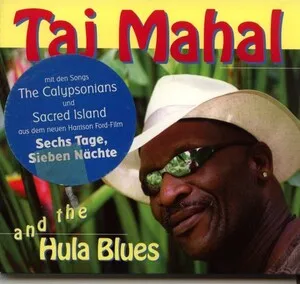
1998
Taj Mahal and the Hula Blues
Taj Mahal & The Hula Blues Band
Download our mobile app
Get the Melodigging app and start digging for new genres on the go
Download on the App Store
Get it on Google Play
© 2026 Melodigging
Give feedback
Legal
Melodding was created as a tribute to
Every Noise at Once
, which inspired us to help curious minds keep digging into music's ever-evolving genres.