Vietnamese folk music encompasses the traditional singing, instrumental practices, and communal performance genres of the Kinh majority and Vietnam’s many ethnic minorities. It spans love duets, ceremonial singing, work songs, narrative ballads, trance rituals, and folk theatre.
Its foundations reflect centuries of cultural exchange: a strong melodic, modal, and poetic legacy from Chinese music and theatre; and Austronesian colorings—especially in rhythm, call‑and‑response, and some instrumental/vocal idioms—transmitted through the Cham (and, more broadly, the Malay world). These layers were indigenized into distinct regional styles across the Red River Delta (North), the central coast and highlands, and the Mekong Delta (South).
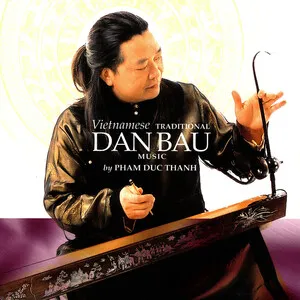
Representative forms include quan họ (antiphonal love duets), ca trù (ceremonial/art song with phách time‑keeper), xẩm (street busker ballads), chèo (folk opera), chầu văn/hát văn (spirit‑medium trance music), bài chòi and hò/lý (central coastal song traditions), đờn ca tài tử (southern chamber music), and many minority traditions such as Tày Then singing or Hmong khèn performance. Core instruments include đàn bầu (monochord), đàn nguyệt (moon lute), đàn tranh (zither), đàn nhị (fiddle), đàn đáy (long‑neck lute), sáo trúc (bamboo flute), and a family of frame and barrel drums.