Genres
Make Music
Artists
Albums
Challenges
Sign in
Sign in
Albums
By Fishmans
Albums
By Fishmans
Uchu Nippon Setagaya 宇宙 日本 世田谷
July 24, 1997
Listen
3
/5
Genres
Chillout
Chillout is a broad, downtempo-oriented style of electronic music designed for relaxation, decompression, and after-hours listening. It emphasizes spacious atmospheres, gentle grooves, and warm timbres over intensity or virtuosity. Emerging from the “chill-out rooms” of UK and Ibiza clubs, the sound blends ambient pads, soft 4/4 or broken-beat rhythms, and melodic fragments drawn from lounge, jazz, bossa nova, and Balearic traditions. Typical tempos range from about 70–110 BPM, with extended chords, subtle basslines, and abundant reverb and delay to create a sense of depth and calm. Though often used as an umbrella for related styles (ambient, downtempo, trip hop, lounge), chillout retains a distinct focus on mood: it privileges texture, space, and gentle momentum, making it a staple for late-night sets, beach bars, and home listening alike.
Discover
Listen
Downtempo
Downtempo is a mellow, groove-oriented branch of electronic music characterized by slower tempos, plush textures, and a focus on atmosphere over dancefloor intensity. Typical tempos range from about 60–110 BPM, with swung or laid-back rhythms, dub-informed basslines, and warm, jazz-tinged harmonies. Stylistically, it blends the spaciousness of ambient, the head-nodding rhythms of hip hop and breakbeat, and the cosmopolitan smoothness of lounge and acid jazz. Producers often use sampled drums, Rhodes or Wurlitzer electric pianos, guitar licks with delay, and field recordings to create intimate, cinematic soundscapes. The mood spans from soulful and romantic to introspective and dusk-lit, making it a staple of after-hours listening, cafes, and relaxed club back rooms.
Discover
Listen
Ambient Pop
Ambient pop is a style of pop music that foregrounds atmosphere, timbre, and texture over conventional hooks, while still retaining song-based structures and accessible melodies. It drapes simple chordal movement and soft vocals in capacious reverbs, delays, and drones, often letting sound design and spatial depth carry as much expressive weight as lyrics. Compared with mainstream pop, ambient pop tends to be slower, quieter, and more minimal. It borrows the weightless pads and sustained tones of ambient music, the hazy guitar treatments of dream pop and shoegaze, and the gentle pulse of downtempo and chillout. The result is intimate, nocturnal, and cinematic music that feels both approachable and immersive.
Discover
Listen
Dream Pop
Dream pop is a subgenre of alternative and indie rock that emphasizes atmosphere, texture, and mood over traditional rock dynamics. It is characterized by shimmering, reverb-laden guitars, soft and often breathy vocals, steady but subdued rhythms, and lush harmonic beds created with chorus, delay, and ambient-style processing. Rather than building around riffs or virtuosity, dream pop prioritizes hypnotic repetition, impressionistic lyrics, and a sense of weightless drift, frequently drawing on neo-psychedelia and ambient aesthetics. Its canonical sound coalesced in the mid-1980s (especially around the 4AD label), and later intersected with and helped seed shoegaze and many subsequent bedroom- and internet-era pop styles.
Discover
Listen
Alternative Rock
Alternative rock is a broad umbrella for guitar-based rock that emerged from the independent and college-radio scenes as a counterpoint to mainstream, commercial rock. It blends the energy and ethos of punk with the textural and songwriting experiments of post-punk, new wave, jangle pop, and noise rock, often foregrounding introspective or socially aware lyrics. Across its many strains—from the melodic minimalism of college rock to the loud-quiet-loud dynamics of grunge and the artful experimentation of Radiohead-era modernism—alternative rock prioritizes authenticity, sonic individuality, and a do-it-yourself approach. Its sound ranges from chiming, chorus-laden clean guitars to abrasive distortion and feedback, supported by straightforward rock rhythms or off-kilter grooves, and production that can be either raw and live-sounding or polished yet unconventional.
Discover
Listen
Neo-Psychedelia
Neo-psychedelia is a late-20th-century revival and reinvention of 1960s psychedelic music aesthetics, filtered through post-punk, indie, and experimental sensibilities. It emphasizes hypnotic textures, droning guitars, heavy use of effects (reverb, delay, phasing), analogue organs/synths, and dreamlike or surreal lyricism. Rhythms may draw from motorik and other steady, trance-inducing grooves, while harmony often favors modal colors and repetitive vamps. The style ranges from jangly, melodic songs to dense, feedback-laden soundscapes, and has been highly influential on dream pop, shoegaze, Britpop-adjacent scenes, and modern psych rock.
Discover
Listen
Dub
Dub is a studio-born offshoot of reggae that uses the mixing desk as a performance instrument. Producers strip songs down to their rhythmic core—drums and bass—and then rebuild them in real time with radical mutes, echoes, reverbs, and filters. Typically created from the B-sides (“versions”) of reggae singles, dub foregrounds spacious low-end, one-drop or steppers drum patterns, and fragmented vocal or instrumental phrases that drift in and out like ghostly textures. Spring reverb, tape echo, and feedback are not just effects but compositional tools, turning the studio into an instrument of improvisation. The result is bass-heavy, spacious, and hypnotic music that emphasizes negative space and textural transformation, laying the foundation for countless electronic and bass music styles.
Discover
Listen
Rock
Rock is a broad family of popular music centered on amplified instruments, a strong backbeat, and song forms that foreground riffs, choruses, and anthemic hooks. Emerging from mid‑20th‑century American styles like rhythm & blues, country, and gospel-inflected rock and roll, rock quickly expanded in scope—absorbing folk, blues, and psychedelic ideas—while shaping global youth culture. Core sonic markers include electric guitar (often overdriven), electric bass, drum kit emphasizing beats 2 and 4, and emotive lead vocals. Rock songs commonly use verse–chorus structures, blues-derived harmony, and memorable melodic motifs, ranging from intimate ballads to high‑energy, stadium‑sized performances.
Discover
Listen
Electronic
Electronic is a broad umbrella genre defined by the primary use of electronically generated or electronically processed sound. It encompasses music made with synthesizers, drum machines, samplers, computers, and studio/tape techniques, as well as electroacoustic manipulation of recorded or synthetic sources. The genre ranges from academic and experimental traditions to popular and dance-oriented forms. While its sonic palette is rooted in electricity and circuitry, its aesthetics span minimal and textural explorations, structured song forms, and beat-driven club permutations. Electronic emphasizes sound design, timbre, and studio-as-instrument practices as much as melody and harmony.
Discover
Listen
Similar albums
1996
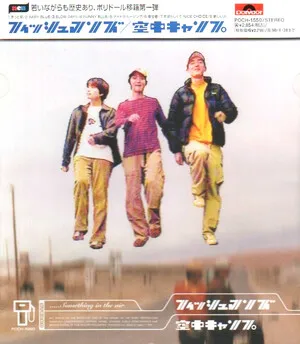
Something in the Air 空中キャンプ
フィッシュマンズ
1996
Long Season
Fishmans
1990
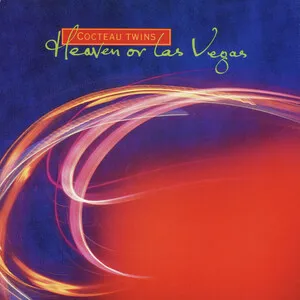
Heaven or Las Vegas
Cocteau Twins
2005
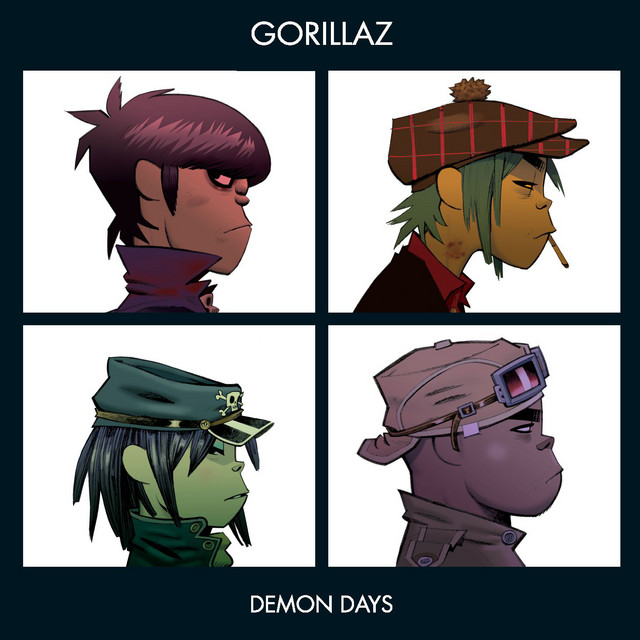
Demon Days
Gorillaz
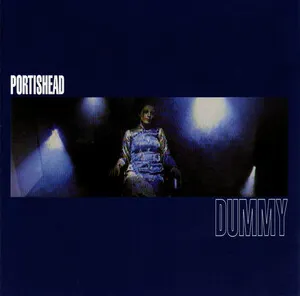
1994
Dummy
Portishead
1990
Heaven or Las Vegas
Cocteau Twins
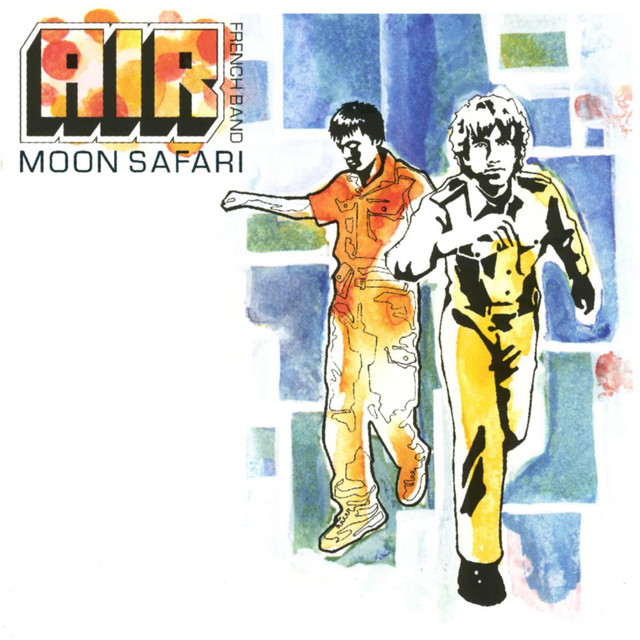
1998
Moon Safari
AIR
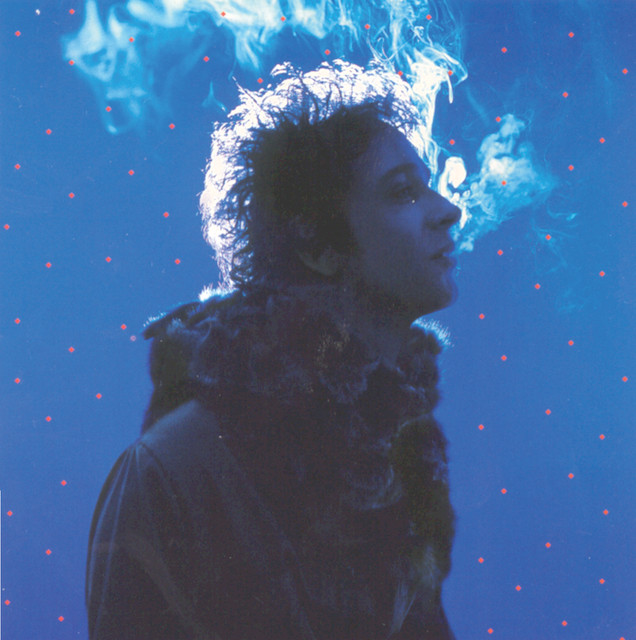
1999
Bocanada
Gustavo Cerati
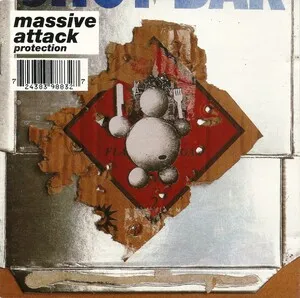
1994
Protection
Massive Attack
2022
Stranger Things: Soundtrack from the Netflix Series, Season 4
Talking Heads
Download our mobile app
Get the Melodigging app and start digging for new genres on the go
Download on the App Store
Get it on Google Play
© 2026 Melodigging
Give feedback
Legal
Melodding was created as a tribute to
Every Noise at Once
, which inspired us to help curious minds keep digging into music's ever-evolving genres.