Genres
Make Music
Artists
Albums
Challenges
Sign in
Sign in
Albums
By Nancy Hennings
Albums
By Nancy Hennings
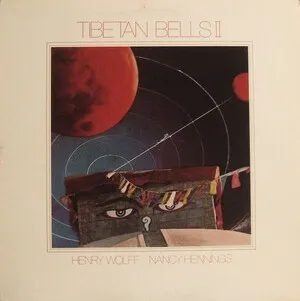
Tibetan Bells II
January 1, 1978
Listen
1
/5
Genres
Tibetan New Age
Tibetan new age is a contemplative substyle of New Age that blends Tibetan Buddhist chant, ritual instruments (singing bowls, tingsha, dungchen long horns, gyaling oboes), and Himalayan modal idioms with spacious ambient production. Tracks typically emphasize long drones, very slow tempos or free rhythm, pentatonic and modal writing, and mantra-based vocals delivered in earthy low-register chant or soft, breathy tones. Field recordings of monasteries, wind, and prayer wheels are often layered with synth pads and bowls to evoke a vast, alpine sense of place. The result is music intended for meditation, yoga, and deep listening—less about harmonic progression than about sustained timbral bloom, resonance, and ritual atmosphere.
Discover
Listen
Ambient
Ambient is a form of electronic and electroacoustic music that prioritizes tone, atmosphere, and texture over conventional song structures and rhythmic drive. It typically features slow-moving harmonies, sustained drones, gentle timbral shifts, and extensive use of space and silence. Rather than drawing attention to itself through hooks or beats, ambient is designed to be as ignorable as it is interesting, rewarding both background listening and focused immersion. Artists often employ synthesizers, samplers, tape loops, field recordings, and subtle acoustic instruments, with reverb and delay creating a sense of place. Substyles range from luminous, consonant soundscapes to darker, more dissonant atmospheres.
Discover
Listen
Electronic
Electronic is a broad umbrella genre defined by the primary use of electronically generated or electronically processed sound. It encompasses music made with synthesizers, drum machines, samplers, computers, and studio/tape techniques, as well as electroacoustic manipulation of recorded or synthetic sources. The genre ranges from academic and experimental traditions to popular and dance-oriented forms. While its sonic palette is rooted in electricity and circuitry, its aesthetics span minimal and textural explorations, structured song forms, and beat-driven club permutations. Electronic emphasizes sound design, timbre, and studio-as-instrument practices as much as melody and harmony.
Discover
Listen
Classical
Classical music is the notated art-music tradition of Europe and its global descendants, characterized by durable forms, carefully codified harmony and counterpoint, and a literate score-based practice. The term “classical” can refer broadly to the entire Western art-music lineage from the Medieval era to today, not just the Classical period (c. 1750s–1820s). It privileges long-form structures (such as symphonies, sonatas, concertos, masses, and operas), functional or modal harmony, thematic development, and timbral nuance across ensembles ranging from solo instruments to full orchestras and choirs. Across centuries, the style evolved from chant and modal polyphony to tonal harmony, and later to post-tonal idioms, while maintaining a shared emphasis on written notation, performance practice, and craft.
Discover
Listen
Similar albums
2023
Everywhere at the End of Time: Stage 1
The Caretaker
1986
Reality in Love ひとつぶの海
Toshifumi Hinata 日向敏文
2014
Illumination: Peaceful Gregorian Chants
Dan Gibson & Daniel May
2023
Everywhere at the End of Time: Stage 2
The Caretaker
2003
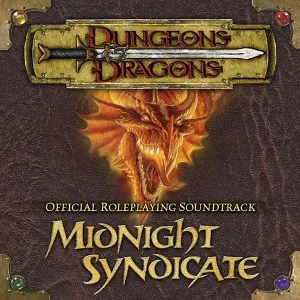
Dungeons & Dragons
Midnight Syndicate
2011
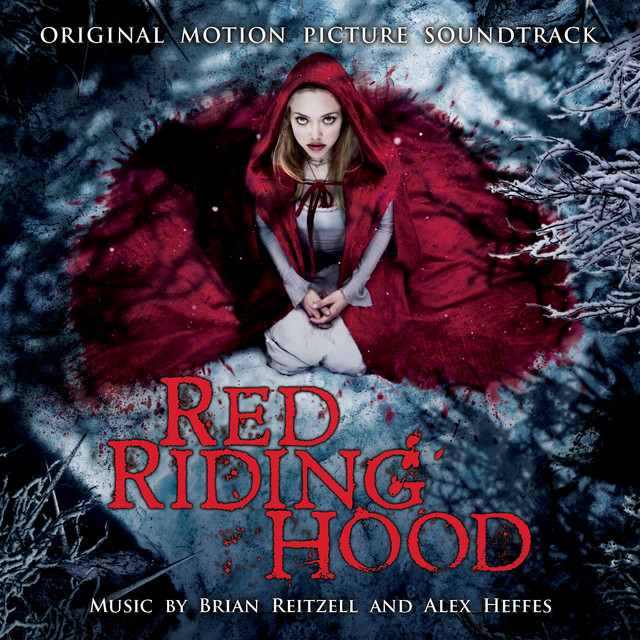
Red Riding Hood (Original Motion Picture Soundtrack)
Fever Ray
2020
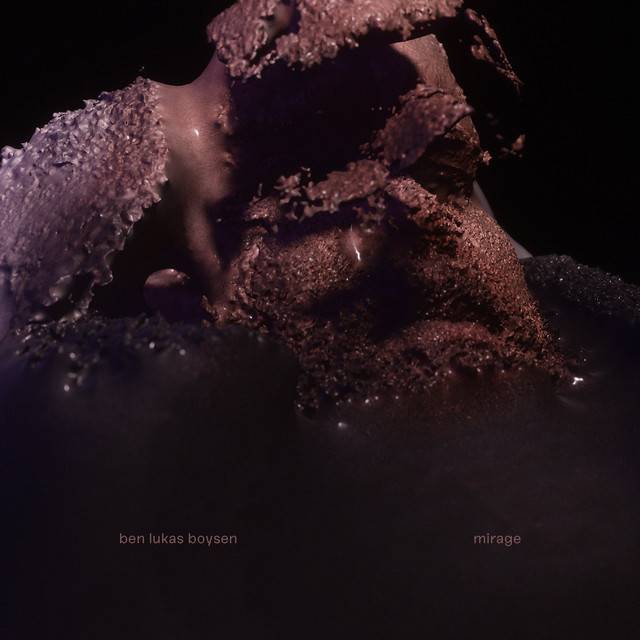
Mirage
Ben Lukas Boysen
2018
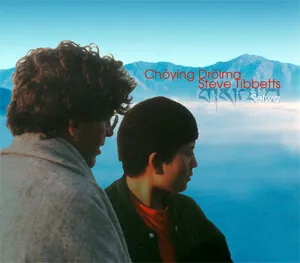
Selwa
Ani Chöying Drolma & Steve Tibbetts
1985
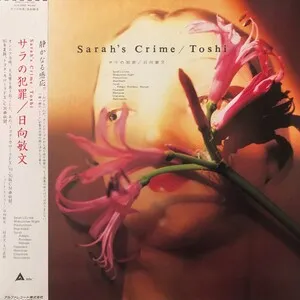
Sarah's Crime
Toshifumi Hinata 日向敏文
1998
Coming Home
Yungchen Lhamo
Download our mobile app
Get the Melodigging app and start digging for new genres on the go
Download on the App Store
Get it on Google Play
© 2026 Melodigging
Give feedback
Legal
Melodding was created as a tribute to
Every Noise at Once
, which inspired us to help curious minds keep digging into music's ever-evolving genres.