Genres
Make Music
Artists
Albums
Challenges
Sign in
Sign in
Albums
By Electrelane
Albums
By Electrelane
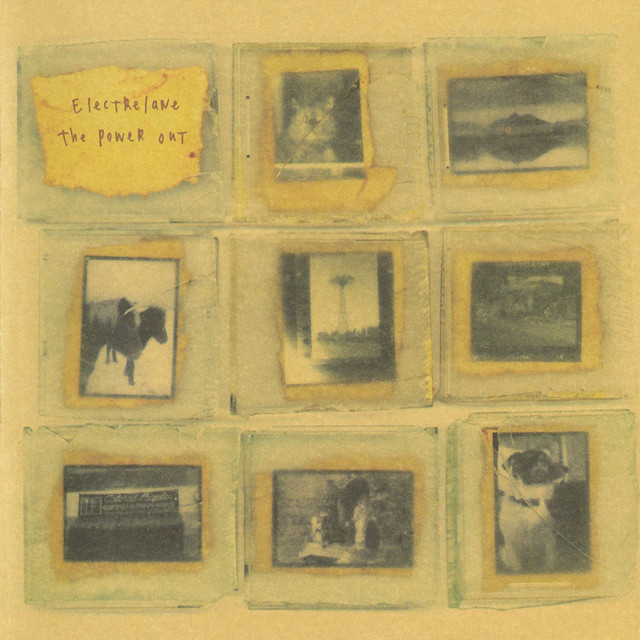
The Power Out
January 26, 2004
Listen
3
/5
Genres
Post-Punk Revival
Post-punk revival is a guitar-driven rock movement of the early 2000s that reinterprets the wiry minimalism, rhythmic urgency, and austere mood of late-1970s/early-1980s post-punk and new wave for a new era. Its sound emphasizes angular, trebly guitars, driving and often danceable rhythm sections, deadpan-to-baritone vocals, and a cool, detached aesthetic. Bands favor tightly interlocked bass-and-drum grooves, sharp staccato riffs, and production that references vintage post-punk clarity while adding contemporary punch. Themes commonly circle urban ennui, alienation, romance, and nightlife, balancing darkness and momentum.
Discover
Listen
Downtempo
Downtempo is a mellow, groove-oriented branch of electronic music characterized by slower tempos, plush textures, and a focus on atmosphere over dancefloor intensity. Typical tempos range from about 60–110 BPM, with swung or laid-back rhythms, dub-informed basslines, and warm, jazz-tinged harmonies. Stylistically, it blends the spaciousness of ambient, the head-nodding rhythms of hip hop and breakbeat, and the cosmopolitan smoothness of lounge and acid jazz. Producers often use sampled drums, Rhodes or Wurlitzer electric pianos, guitar licks with delay, and field recordings to create intimate, cinematic soundscapes. The mood spans from soulful and romantic to introspective and dusk-lit, making it a staple of after-hours listening, cafes, and relaxed club back rooms.
Discover
Listen
Experimental Indie Rock
Experimental indie rock is a strain of indie/DIY rock that prioritizes sonic experimentation over commercial forms. It blends the independent ethos and songcraft of indie rock with the boundary‑pushing techniques of experimental and avant‑rock—embracing unconventional structures, noise textures, extended techniques, collage, and atypical tunings. Its aesthetics draw on post‑punk abrasion, no wave’s anti‑formalism, and the studio-as-instrument approach inherited from earlier experimental rock, but it is rooted in small labels, basement venues, and artist-led scenes typical of indie culture. In the 2000s, the style increasingly intersected with noise, improv, and electro‑acoustic processes while remaining recognizably “rock.”
Discover
Listen
Indie Rock
Indie rock is a subgenre of rock and a branch of alternative rock that coalesced in the early–mid 1980s around independent labels and DIY practices in the United Kingdom, the United States, and New Zealand. Defined less by a single sound than by an ethos, indie rock favors non‑mainstream approaches, self‑recording and small‑label distribution, and an interest in pop‑informed melody and eclectic experimentation. Hallmarks include jangly or fuzzed guitars, intimate or deadpan vocals, off‑kilter song structures, and production that often preserves a raw, “authentic” feel rather than glossy studio polish.
Discover
Listen
Krautrock
Krautrock is an experimental form of rock that emerged in late-1960s West Germany, characterized by hypnotic repetition, long-form structures, and a forward-looking embrace of electronics and studio experimentation. It typically features a steady, driving 4/4 “motorik” beat, circular bass ostinatos, sparse harmonic movement, and textural layering that draws from minimalism, free improvisation, and avant-garde composition. Rather than virtuosic solos, the emphasis is on collective groove, trance-inducing momentum, and timbral exploration. The sound ranges from raw, percussive jams to spacious, cosmic electronics, often eschewing conventional Anglo-American blues forms in favor of a distinctly European modernist aesthetic.
Discover
Listen
Rock
Rock is a broad family of popular music centered on amplified instruments, a strong backbeat, and song forms that foreground riffs, choruses, and anthemic hooks. Emerging from mid‑20th‑century American styles like rhythm & blues, country, and gospel-inflected rock and roll, rock quickly expanded in scope—absorbing folk, blues, and psychedelic ideas—while shaping global youth culture. Core sonic markers include electric guitar (often overdriven), electric bass, drum kit emphasizing beats 2 and 4, and emotive lead vocals. Rock songs commonly use verse–chorus structures, blues-derived harmony, and memorable melodic motifs, ranging from intimate ballads to high‑energy, stadium‑sized performances.
Discover
Listen
Similar albums
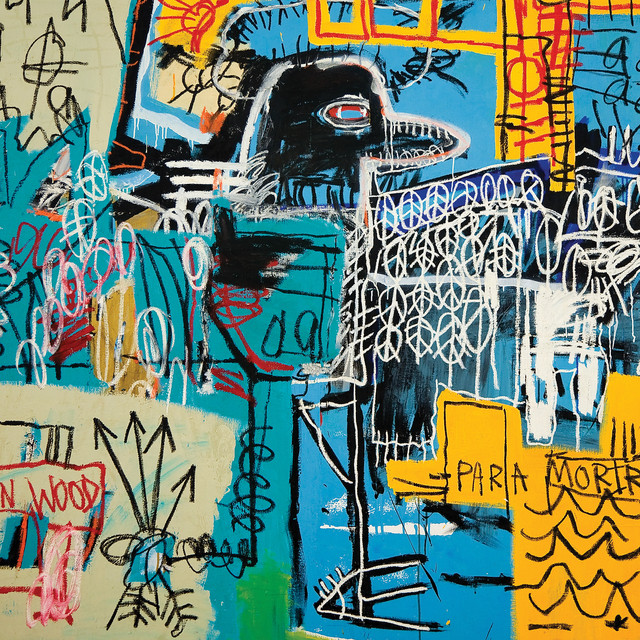
2020
The New Abnormal
The Strokes
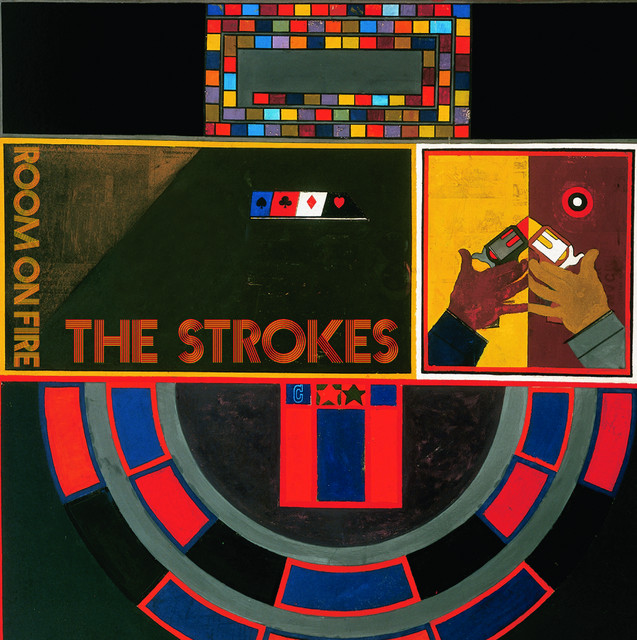
2003
Room on Fire
The Strokes
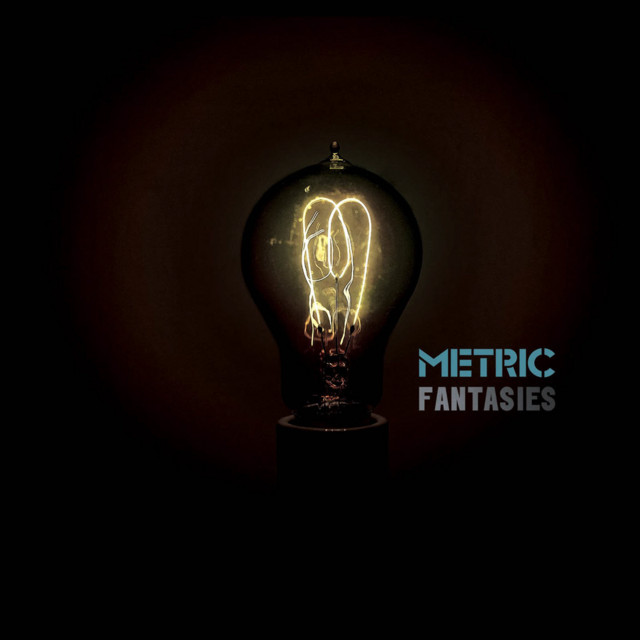
2009
Fantasies
Metric
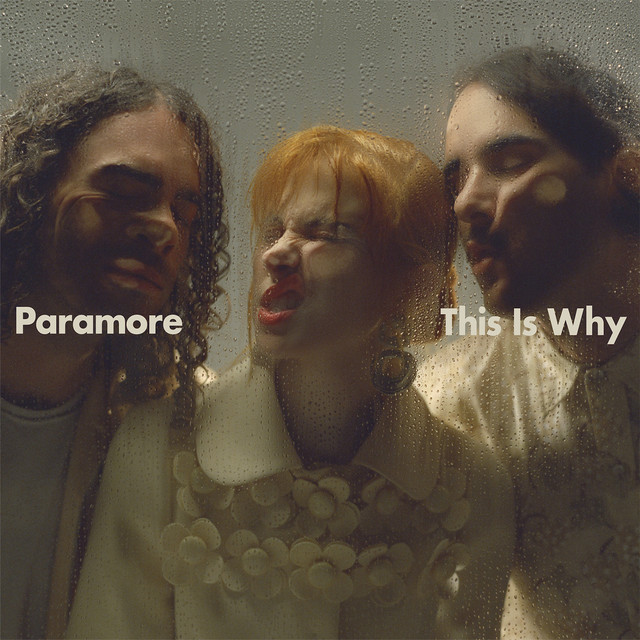
2023
This Is Why
Paramore
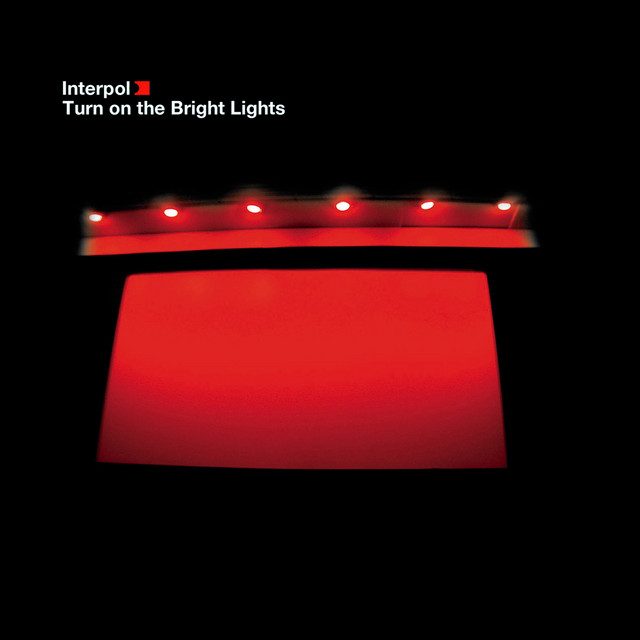
2002
Turn On The Bright Lights
Interpol
2004
Antics
Interpol
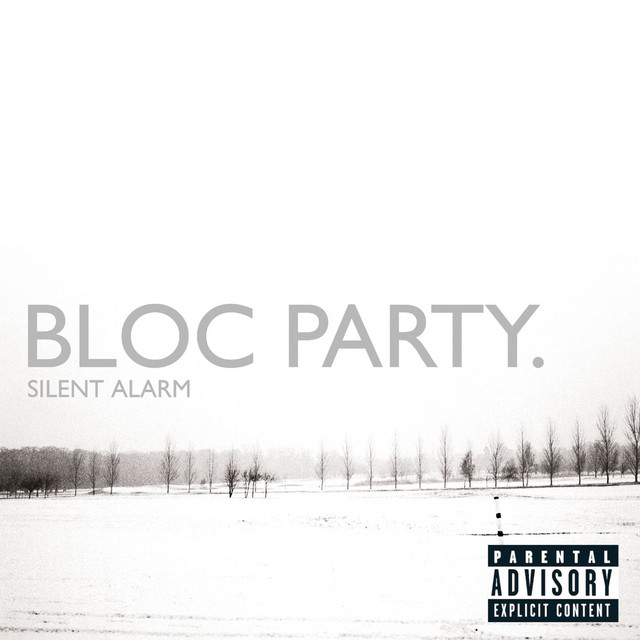
2005
Silent Alarm
Bloc Party
2005
Silent Alarm
Bloc Party
2005
Alligator
The National
2002
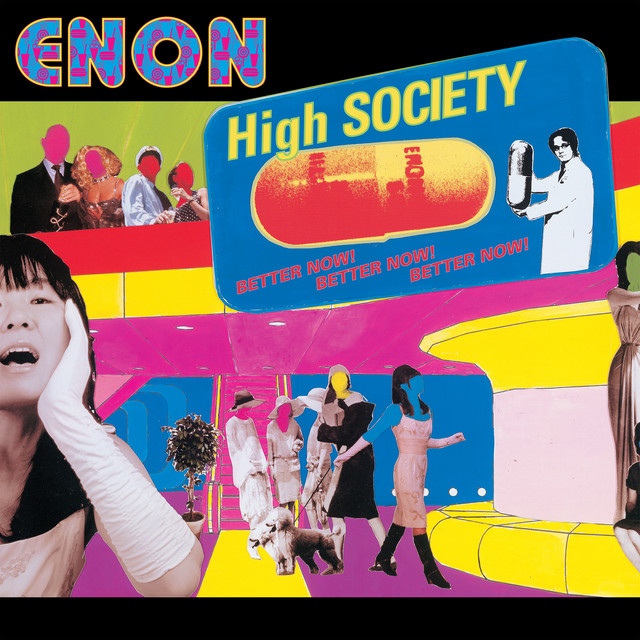
High Society
Enon
Download our mobile app
Get the Melodigging app and start digging for new genres on the go
Download on the App Store
Get it on Google Play
© 2026 Melodigging
Give feedback
Legal
Melodding was created as a tribute to
Every Noise at Once
, which inspired us to help curious minds keep digging into music's ever-evolving genres.