Genres
Make Music
Artists
Albums
Challenges
Sign in
Sign in
Albums
By Shaver
Albums
By Shaver
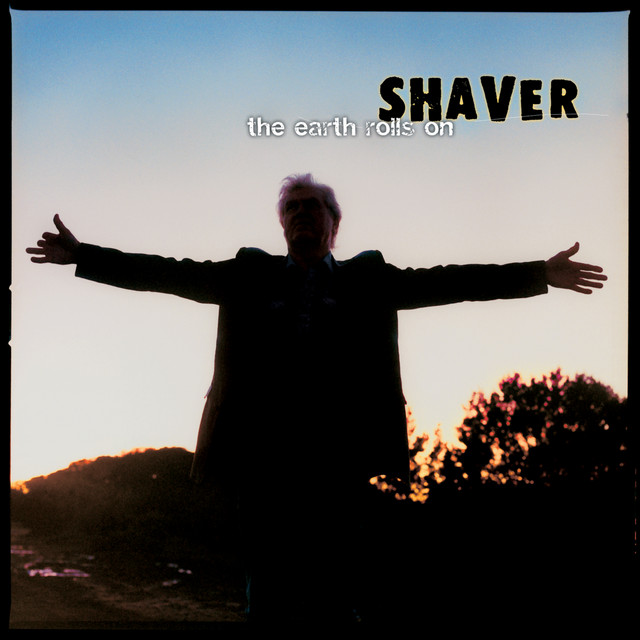
The Earth Rolls On
April 10, 2001
Listen
1
/5
Genres
Neo Honky Tonk
Neo honky tonk is a contemporary revival of classic, barroom-centered country music that puts twanging Telecasters, pedal steel, fiddle, and two-step dance rhythms back at the center of the sound. It embraces the grit, humor, and heartbreak of mid‑century honky tonk while updating the songwriting voice and production for modern audiences. Musically, it favors shuffles, train beats, and waltzes; guitar and steel trade concise, melodic fills; and vocals carry a plainspoken, slightly nasal twang. Lyrically, it returns to timeless themes—love gone wrong, long highways, working‑class resilience, and neon‑lit nights—often with wry detail and an unvarnished, live‑in‑the‑room feel. Where mainstream country tilted toward pop polish, neo honky tonk doubles down on the dancefloor and the barroom.
Discover
Listen
Country Rock
Country rock is a hybrid of country music’s storytelling, twang, and acoustic textures with rock’s backbeat, amplification, and song structures. It typically features electric and acoustic guitars, pedal steel, close vocal harmonies, and a steady 4/4 groove, while lyrics focus on roads, small towns, heartbreak, and everyday American life. The sound ranges from jangly and rootsy to polished and radio-friendly, bridging bar-band energy with country elegance and shaping the template for later Americana and heartland styles.
Discover
Listen
Rock
Rock is a broad family of popular music centered on amplified instruments, a strong backbeat, and song forms that foreground riffs, choruses, and anthemic hooks. Emerging from mid‑20th‑century American styles like rhythm & blues, country, and gospel-inflected rock and roll, rock quickly expanded in scope—absorbing folk, blues, and psychedelic ideas—while shaping global youth culture. Core sonic markers include electric guitar (often overdriven), electric bass, drum kit emphasizing beats 2 and 4, and emotive lead vocals. Rock songs commonly use verse–chorus structures, blues-derived harmony, and memorable melodic motifs, ranging from intimate ballads to high‑energy, stadium‑sized performances.
Discover
Listen
Blues
Blues is an African American musical tradition defined by expressive "blue notes," call-and-response phrasing, and a characteristic use of dominant-seventh harmony in cyclical song forms (most famously the 12‑bar blues). It is as much a feeling as a form, conveying sorrow, resilience, humor, and hard-won joy. Musically, blues commonly employs the I–IV–V progression, swung or shuffled rhythms, and the AAB lyric stanza. Melodies lean on the minor/major third ambiguity and the flattened fifth and seventh degrees. Core instruments include voice, guitar (acoustic or electric), harmonica, piano, bass, and drums, with slide guitar, bends, and vocal melismas as signature techniques. Over time the blues has diversified into regional and stylistic currents—Delta and Piedmont country blues, urban Chicago and Texas blues, West Coast jump and boogie-woogie—while profoundly shaping jazz, rhythm & blues, rock and roll, soul, funk, and much of modern popular music.
Discover
Listen
Similar albums
1972
Naturally
J.J. Cale
1976
Troubadour
J.J. Cale
1974
Okie
J.J. Cale
1978
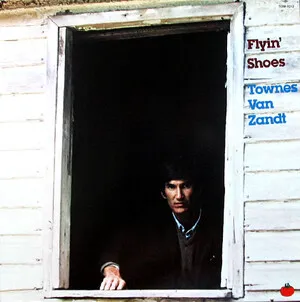
Flyin' Shoes
Townes Van Zandt
2004
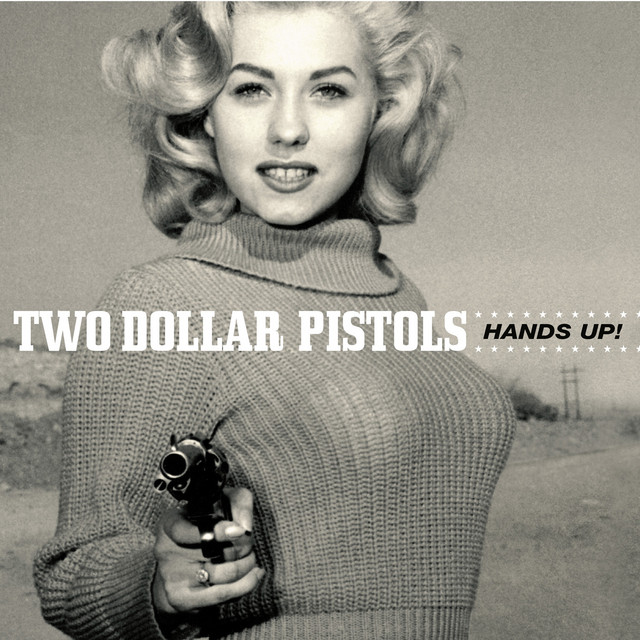
Hands Up!
Two Dollar Pistols
1976
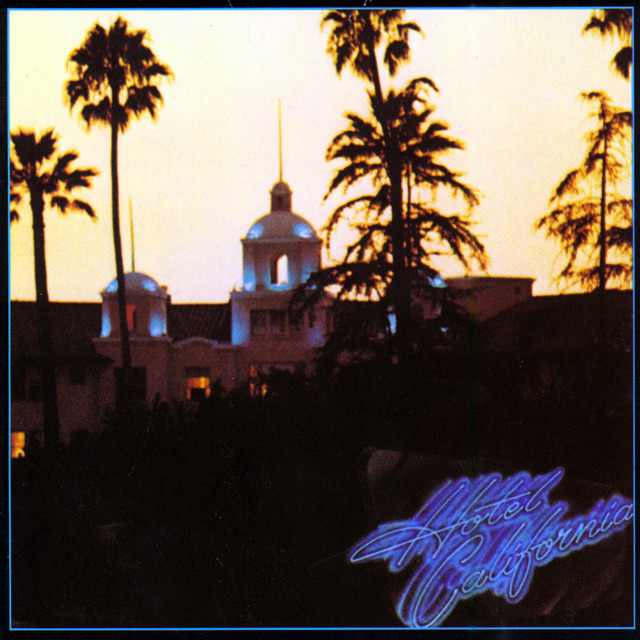
Hotel California (2013 Remaster)
Eagles
1969
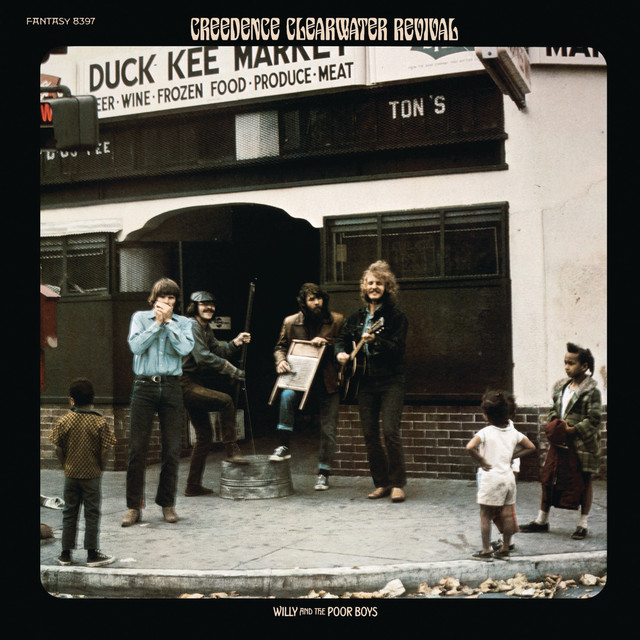
Willy and the Poor Boys
Creedence Clearwater Revival
1972
Honky Château
Elton John
1972
Eagles (2013 Remaster)
Eagles
2006
Cars (Original Motion Picture Soundtrack)
James Taylor
Download our mobile app
Get the Melodigging app and start digging for new genres on the go
Download on the App Store
Get it on Google Play
© 2026 Melodigging
Give feedback
Legal
Melodding was created as a tribute to
Every Noise at Once
, which inspired us to help curious minds keep digging into music's ever-evolving genres.