Genres
Make Music
Artists
Albums
Challenges
Sign in
Sign in
Albums
By Nanae Yoshimura
Albums
By Nanae Yoshimura
The Art of the Koto, Volume Two: From Yatsuhashi to Miyagi
January 1, 2001
Listen
2
/5
Genres
Jiuta
Jiuta (地歌) is a refined chamber vocal-and-instrumental genre from Japan’s Kansai (Kamigata) region, centered on the shamisen and often performed in the sankyoku ensemble with koto and shakuhachi (originally kokyū). It emerged in the early Edo period among professional blind musicians (kengyō) and emphasizes nuanced vocal delivery, subtle ornamentation, and flexible phrasing. Pieces range from lyrical utamono (song-centered works) to tegotomono, which intersperse sung sections with substantial instrumental interludes (tegoto) showcasing intricate shamisen and koto technique. Typical performance aesthetics follow the Japanese jo–ha–kyū arc (introduction–development–rush to conclusion), favoring measured tempos, timbral delicacy, and poetic texts imbued with seasonal imagery and wistful sentiments.
Discover
Listen
Sōkyoku
Sōkyoku (箏曲) is the classical Japanese repertoire for the koto zither that gained prominence in the Edo period. Centered on the 13‑string koto, it features refined timbres, flowing melodies, and an emphasis on space (ma) and expressive nuance. Although performed primarily on the Japanese koto, the idiom is closely related to the broader East Asian zither tradition; in some modern or cross‑cultural contexts, the Chinese guzheng may be used to render sōkyoku repertoire. Sōkyoku is often heard solo or within the sankyoku ensemble alongside shamisen and/or shakuhachi, creating an intimate chamber texture. Core forms include danmono (theme‑and‑variations instrumentals) and kumiuta (song cycles), and the music frequently employs traditional koto tunings such as hira‑jōshi and kumoi‑jōshi. The performance aesthetic values subtle ornamentation, flexible rhythm, and lyrical expression.
Discover
Listen
Classical
Classical music is the notated art-music tradition of Europe and its global descendants, characterized by durable forms, carefully codified harmony and counterpoint, and a literate score-based practice. The term “classical” can refer broadly to the entire Western art-music lineage from the Medieval era to today, not just the Classical period (c. 1750s–1820s). It privileges long-form structures (such as symphonies, sonatas, concertos, masses, and operas), functional or modal harmony, thematic development, and timbral nuance across ensembles ranging from solo instruments to full orchestras and choirs. Across centuries, the style evolved from chant and modal polyphony to tonal harmony, and later to post-tonal idioms, while maintaining a shared emphasis on written notation, performance practice, and craft.
Discover
Listen
Similar albums
1991
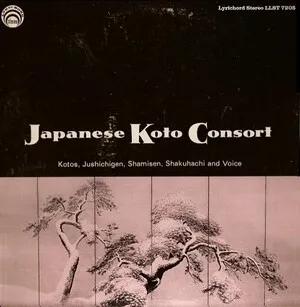
Japanese Koto Consort: Kotos, Jushichigen, Shamisen, Shakuhachi and Voice
Master Musicians of the Ikuta School
1964
18th Century Traditional Music of Japan (Koto Music of the Edo Period)
Keiko Matsuo 松尾恵子
2010
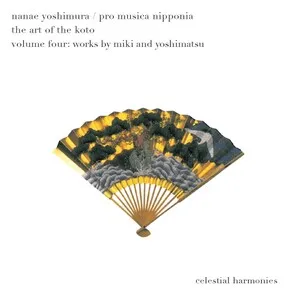
The Art of the Koto, Volume Four: Works by Miki and Yoshimatsu
Minoru Miki 三木稔 / Takashi Yoshimatsu 吉松隆
2000
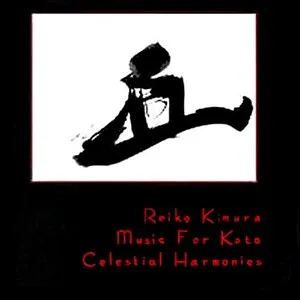
Music for Koto
Reiko Kimura 木村玲子
1994
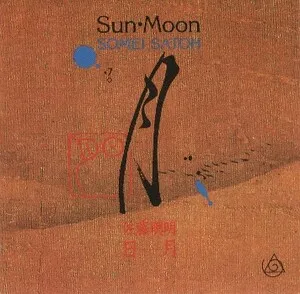
Sun·Moon
Somei Satoh 佐藤聰明 / Akikazu Nakamura 中村明一 / Shin Miyashita 宮下伸
2005
Japon: Chants courtois
Etsuko Chida
2014
Interstellar (Original Motion Picture Soundtrack) [Expanded Edition]
Hans Zimmer
2013
In a Time Lapse
Ludovico Einaudi
2004
Una Mattina
Ludovico Einaudi
2015
Sleep
Max Richter
Download our mobile app
Get the Melodigging app and start digging for new genres on the go
Download on the App Store
Get it on Google Play
© 2026 Melodigging
Give feedback
Legal
Melodding was created as a tribute to
Every Noise at Once
, which inspired us to help curious minds keep digging into music's ever-evolving genres.