Genres
Make Music
Artists
Albums
Challenges
Sign in
Sign in
Albums
By Somei Satoh 佐藤聰明 / Akikazu Nakamura 中村明一 / Shin Miyashita 宮下伸
Albums
By Somei Satoh 佐藤聰明 / Akikazu Nakamura 中村明一 / Shin Miyashita 宮下伸
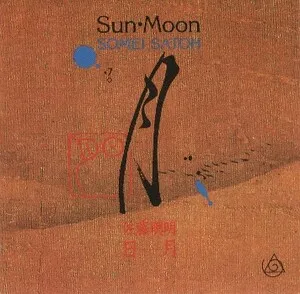
Sun·Moon
1994
Listen
1
/5
Genres
Modern Classical
Modern classical is a contemporary strand of instrumental music that applies classical composition techniques to intimate, cinematic settings. It typically foregrounds piano and strings, is sparsely orchestrated, and embraces ambience, repetition, and timbral detail. Rather than the academic modernism of the early 20th century, modern classical as used today refers to accessible, mood-driven works that sit between classical, ambient, and film music. Felt pianos, close‑miked string quartets, tape hiss, drones, soft electronics, and minimal harmonic movement are common, producing a contemplative, emotionally direct sound that translates well to headphones, streaming playlists, and screen media.
Discover
Listen
Electronic
Electronic is a broad umbrella genre defined by the primary use of electronically generated or electronically processed sound. It encompasses music made with synthesizers, drum machines, samplers, computers, and studio/tape techniques, as well as electroacoustic manipulation of recorded or synthetic sources. The genre ranges from academic and experimental traditions to popular and dance-oriented forms. While its sonic palette is rooted in electricity and circuitry, its aesthetics span minimal and textural explorations, structured song forms, and beat-driven club permutations. Electronic emphasizes sound design, timbre, and studio-as-instrument practices as much as melody and harmony.
Discover
Listen
Sōkyoku
Sōkyoku (箏曲) is the classical Japanese repertoire for the koto zither that gained prominence in the Edo period. Centered on the 13‑string koto, it features refined timbres, flowing melodies, and an emphasis on space (ma) and expressive nuance. Although performed primarily on the Japanese koto, the idiom is closely related to the broader East Asian zither tradition; in some modern or cross‑cultural contexts, the Chinese guzheng may be used to render sōkyoku repertoire. Sōkyoku is often heard solo or within the sankyoku ensemble alongside shamisen and/or shakuhachi, creating an intimate chamber texture. Core forms include danmono (theme‑and‑variations instrumentals) and kumiuta (song cycles), and the music frequently employs traditional koto tunings such as hira‑jōshi and kumoi‑jōshi. The performance aesthetic values subtle ornamentation, flexible rhythm, and lyrical expression.
Discover
Listen
Classical
Classical music is the notated art-music tradition of Europe and its global descendants, characterized by durable forms, carefully codified harmony and counterpoint, and a literate score-based practice. The term “classical” can refer broadly to the entire Western art-music lineage from the Medieval era to today, not just the Classical period (c. 1750s–1820s). It privileges long-form structures (such as symphonies, sonatas, concertos, masses, and operas), functional or modal harmony, thematic development, and timbral nuance across ensembles ranging from solo instruments to full orchestras and choirs. Across centuries, the style evolved from chant and modal polyphony to tonal harmony, and later to post-tonal idioms, while maintaining a shared emphasis on written notation, performance practice, and craft.
Discover
Listen
Similar albums
2015
Sleep
Max Richter
2006
Divenire
Ludovico Einaudi
2021
Promises
Floating Points, Pharoah Sanders & London Symphony Orchestra
1999
Águas da Amazônia
Philip Glass / Uakti / Marco Antônio Guimarães
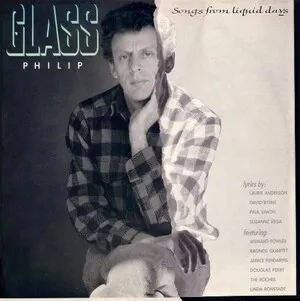
1986
Songs From Liquid Days
Philip Glass / The Philip Glass Ensemble / Michael Riesman
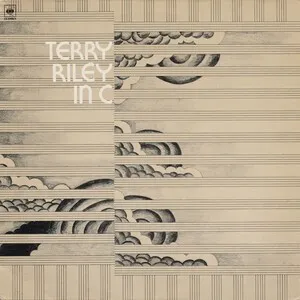
1968
In C
Terry Riley
2010
The Ascension
Glenn Branca
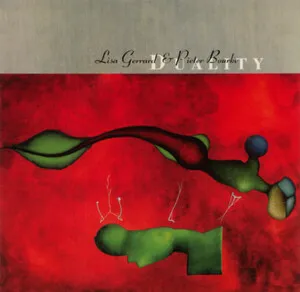
1998
Duality
Lisa Gerrard & Pieter Bourke
2014
Interstellar (Original Motion Picture Soundtrack) [Expanded Edition]
Hans Zimmer
2004
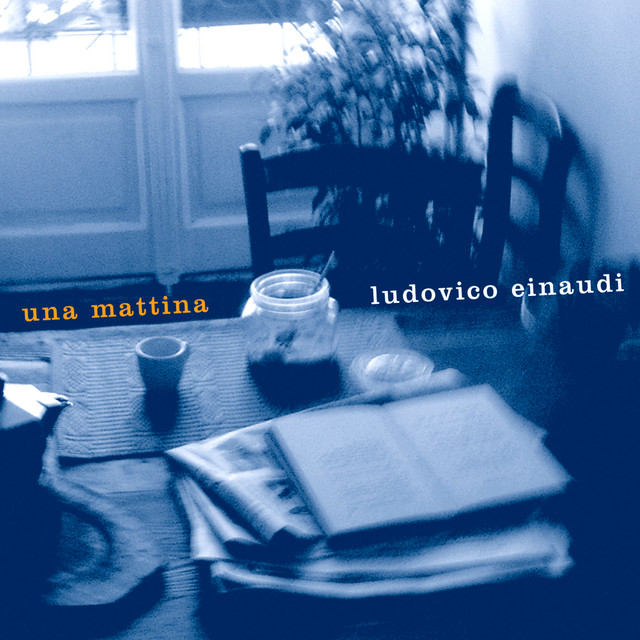
Una Mattina
Ludovico Einaudi
Download our mobile app
Get the Melodigging app and start digging for new genres on the go
Download on the App Store
Get it on Google Play
© 2026 Melodigging
Give feedback
Legal
Melodding was created as a tribute to
Every Noise at Once
, which inspired us to help curious minds keep digging into music's ever-evolving genres.