Genres
Make Music
Artists
Albums
Challenges
Sign in
Sign in
Albums
By Teppana Jänis
Albums
By Teppana Jänis
Teppana Jänis
September 5, 2025
Listen
1
/5
Genres
Karelian Folk Music
Karelian folk music is the traditional music of the Karelians, a Finnic people whose homeland spans eastern Finland and the Republic of Karelia in Russia. It is best known for runo singing in the Kalevala metre (trochaic tetrameter), a chant-like, incantatory vocal style used to narrate epics, myths, and everyday stories. Typical sonorities include the kantele (Finnish/Karelian zither) and the jouhikko (bowed lyre), alongside small percussion and occasional fiddle. Melodies are often narrow in range, modal (commonly Dorian and Aeolian), and performed in free or flexible rhythm. Textures lean toward unison or heterophony, with call-and-response between a lead singer and a small chorus. A distinctive subgenre is the Karelian lament (itkuvirsi), marked by free rhythm, sobbing timbre, and improvisatory text formulae. Owing to its borderland setting, Karelian folk music blends Balto-Finnic runo traditions with influences from Russian folk and Orthodox chant. It has profoundly shaped the Finnish national imagination through the Kalevala and continues to inspire modern folk, folk-rock, and experimental projects.
Discover
Listen
Finnish Folk Music
Finnish folk music encompasses two intertwined traditions: the ancient Kalevala‑meter runo singing and kantele music, and the later pelimanni (dance‑fiddler) repertoire shaped by pan‑Nordic and Central European dance forms. The older layer features trochaic tetrameter verses with alliteration and parallelism, often sung solo or antiphonally and accompanied by small kanteles or performed unaccompanied. The newer layer centers on village dance bands with fiddles, accordion, harmonium, and bass playing polskas, polkas, schottisches (jenkka), mazurkas, waltzes and minuets. Typical timbres range from the bell‑like shimmer of the kantele and the droning, nasal tone of the jouhikko (bowed lyre) to the bright, driving sound of twin‑fiddle and accordion leads. Modal colors (Dorian, Aeolian, Mixolydian), drone tones, heterophony, and subtle asymmetric lilt in triple‑time dances are common. Themes span myth and magic (as preserved in the Kalevala), nature imagery, work and wedding songs, and witty, strophic “rekilaulu” ballads borrowed and localized from broader European song currents.
Discover
Listen
Balto-Finnic Folk Music
Balto-Finnic folk music is the traditional music of the Finnic peoples of the northeastern Baltic region, especially Finns, Karelians, and Estonians. It centers on ancient runo songs in trochaic tetrameter, alliteration, and parallelism, and is accompanied by emblematic instruments such as the kantele (plucked zither) and the bowed lyre (jouhikko/Estonian hiiu kannel). The style ranges from archaic, incantatory solo or choral chant to later dance repertoires shaped by contact with broader European traditions. Vocal delivery often emphasizes a steady, mantra-like pulse, modal or pentachordal/hexachordal melodies, and drone-based textures. Regional variants include Seto leelo and Karelian runo singing, with languages and dialects (Finnish, Estonian, Karelian, Võro/Seto) shaping timbre, prosody, and ornamentation.
Discover
Listen
Similar albums
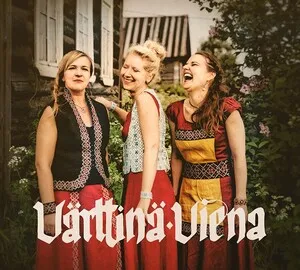
2015
Viena
Värttinä
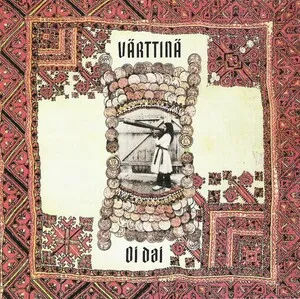
1991
Oi dai
Värttinä
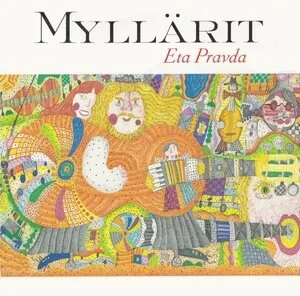
1997
Eta Pravda
Myllärit
1998
Vihma
Värttinä
1993
Niekku
Niekku
1994
Aitara
Värttinä
2001
Ilmatar
Värttinä
2003
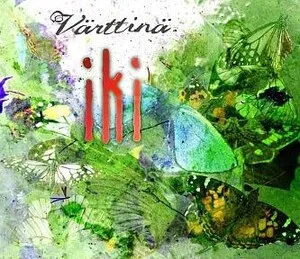
iki
Värttinä
1999
Ahma
Maria Kalaniemi & Aldargaz
1998
Musta
Sanna Kurki-Suonio
Download our mobile app
Get the Melodigging app and start digging for new genres on the go
Download on the App Store
Get it on Google Play
© 2026 Melodigging
Give feedback
Legal
Melodding was created as a tribute to
Every Noise at Once
, which inspired us to help curious minds keep digging into music's ever-evolving genres.