Nordic folk music is the umbrella of traditional and revival folk practices from the Nordic countries—Denmark, Finland, Iceland, Norway, and Sweden (often including Sámi traditions in the Nordic sphere). It encompasses dancing fiddle music, story-singing ballads, pastoral and herding calls, and distinctive regional vocal and instrumental idioms.
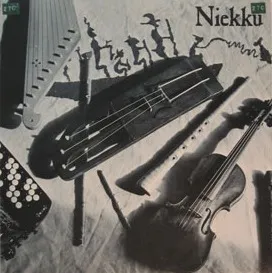
Characteristic instruments include the Swedish nyckelharpa (keyed fiddle), Norwegian Hardanger fiddle (hardingfele) with sympathetic strings and scordatura, Finnish kanteles (zither family) and jouhikko (bowed lyre), langeleik and hummel (dulcimer/board zither types), diatonic button accordion, frame and small drums, willow flute (seljefløyte), and wooden flutes and whistles. Common dance forms feature polska/springar (asymmetrical 3-beat), halling (athletic 2/4 solo dance), pols, reinlender, schottis, hambo, and more.
Modal melodies (often Dorian, Mixolydian, and Aeolian), drones and double-stops, regional bowing patterns, and lilting microtiming define the style. Vocal traditions range from Swedish kulning (powerful open-air herding calls) and Icelandic rímur (epic chant) to Norwegian kveding and Finnish rune-singing. The modern scene mixes deep regional repertoire with contemporary arrangements, folk-jazz, and crossover projects while keeping dance and communal music-making at its core.