Genres
Make Music
Artists
Albums
Challenges
Sign in
Sign in
Albums
By Värttinä
Albums
By Värttinä
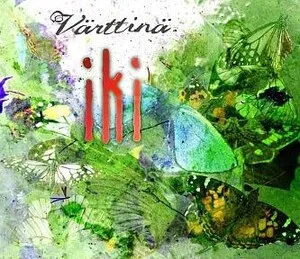
iki
February 24, 2003
Listen
1
/5
Genres
Folk Rock
Folk rock is a fusion genre that blends the narrative lyricism, modal melodies, and acoustic timbres of traditional folk with the backbeat, amplification, and song structures of rock. It typically pairs acoustic or traditional instruments (acoustic guitar, mandolin, fiddle) with a rock rhythm section (electric guitar, bass, drums), often featuring chiming 12‑string guitar textures, close vocal harmonies, and socially conscious or storytelling lyrics. The result ranges from intimate, reflective ballads with a steady backbeat to more anthemic, roots‑driven rock. Emerging in the mid‑1960s through artists such as Bob Dylan and The Byrds, folk rock became a gateway for traditional and roots materials to enter mainstream popular music, and it seeded later movements from country rock and Americana to jangle pop and modern indie folk.
Discover
Listen
Rock
Rock is a broad family of popular music centered on amplified instruments, a strong backbeat, and song forms that foreground riffs, choruses, and anthemic hooks. Emerging from mid‑20th‑century American styles like rhythm & blues, country, and gospel-inflected rock and roll, rock quickly expanded in scope—absorbing folk, blues, and psychedelic ideas—while shaping global youth culture. Core sonic markers include electric guitar (often overdriven), electric bass, drum kit emphasizing beats 2 and 4, and emotive lead vocals. Rock songs commonly use verse–chorus structures, blues-derived harmony, and memorable melodic motifs, ranging from intimate ballads to high‑energy, stadium‑sized performances.
Discover
Listen
Folk
Folk is a song-centered acoustic tradition rooted in community storytelling, everyday life, and social history. It emphasizes clear melodies, simple harmonies, and lyrics that foreground narrative, protest, and personal testimony. As a modern recorded genre, folk coalesced in the early-to-mid 20th century in the United States out of older ballad, work song, and rural dance traditions. It typically features acoustic instruments (guitar, banjo, fiddle, mandolin, harmonica), strophic song forms, and participatory singing (choruses, call-and-response).
Discover
Listen
Finnish Folk Music
Finnish folk music encompasses two intertwined traditions: the ancient Kalevala‑meter runo singing and kantele music, and the later pelimanni (dance‑fiddler) repertoire shaped by pan‑Nordic and Central European dance forms. The older layer features trochaic tetrameter verses with alliteration and parallelism, often sung solo or antiphonally and accompanied by small kanteles or performed unaccompanied. The newer layer centers on village dance bands with fiddles, accordion, harmonium, and bass playing polskas, polkas, schottisches (jenkka), mazurkas, waltzes and minuets. Typical timbres range from the bell‑like shimmer of the kantele and the droning, nasal tone of the jouhikko (bowed lyre) to the bright, driving sound of twin‑fiddle and accordion leads. Modal colors (Dorian, Aeolian, Mixolydian), drone tones, heterophony, and subtle asymmetric lilt in triple‑time dances are common. Themes span myth and magic (as preserved in the Kalevala), nature imagery, work and wedding songs, and witty, strophic “rekilaulu” ballads borrowed and localized from broader European song currents.
Discover
Listen
Balto-Finnic Folk Music
Balto-Finnic folk music is the traditional music of the Finnic peoples of the northeastern Baltic region, especially Finns, Karelians, and Estonians. It centers on ancient runo songs in trochaic tetrameter, alliteration, and parallelism, and is accompanied by emblematic instruments such as the kantele (plucked zither) and the bowed lyre (jouhikko/Estonian hiiu kannel). The style ranges from archaic, incantatory solo or choral chant to later dance repertoires shaped by contact with broader European traditions. Vocal delivery often emphasizes a steady, mantra-like pulse, modal or pentachordal/hexachordal melodies, and drone-based textures. Regional variants include Seto leelo and Karelian runo singing, with languages and dialects (Finnish, Estonian, Karelian, Võro/Seto) shaping timbre, prosody, and ornamentation.
Discover
Listen
Similar albums
1998
Vihma
Värttinä
2015
"AH!"
Trad.Attack!
1991
Oi dai
Värttinä
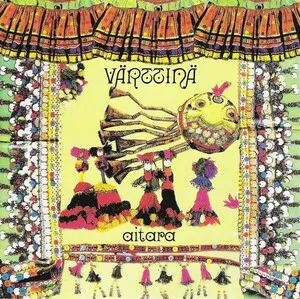
1994
Aitara
Värttinä
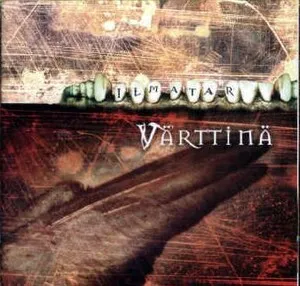
2001
Ilmatar
Värttinä
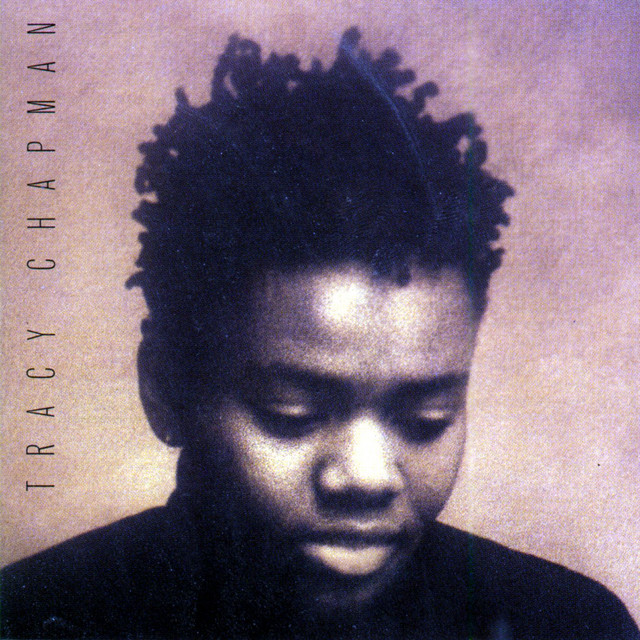
1988
Tracy Chapman
Tracy Chapman
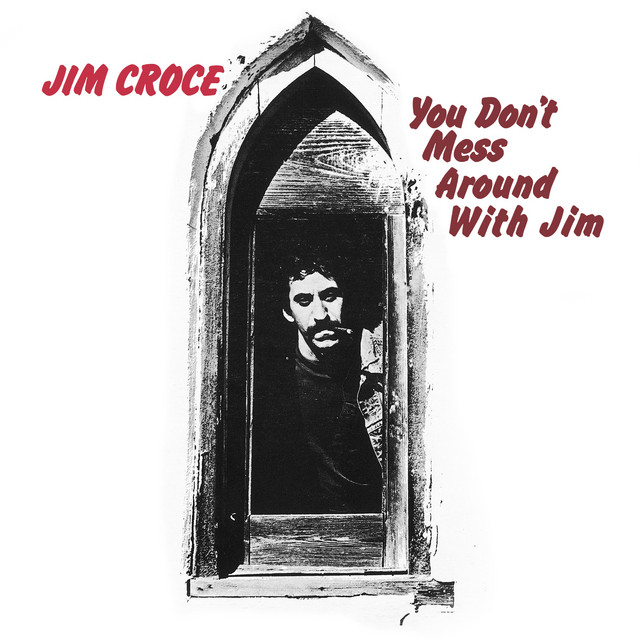
1972
You Don't Mess Around With Jim
Jim Croce
2006
Cars (Original Motion Picture Soundtrack)
James Taylor
2009
This Empty Northern Hemisphere
Gregory Alan Isakov
1971
Tapestry
Carole King
Download our mobile app
Get the Melodigging app and start digging for new genres on the go
Download on the App Store
Get it on Google Play
© 2026 Melodigging
Give feedback
Legal
Melodding was created as a tribute to
Every Noise at Once
, which inspired us to help curious minds keep digging into music's ever-evolving genres.