Genres
Make Music
Artists
Albums
Challenges
Sign in
Sign in
Albums
By Buddy Guy
Albums
By Buddy Guy
Sweet Tea
May 15, 2001
Listen
2
/5
Genres
Blues Rock
Blues rock is a guitar-driven style that fuses the raw feeling and 12‑bar structures of the blues with the power, volume, and rhythmic punch of rock. It emphasizes riff-based songs, pentatonic and blues-scale soloing, call‑and‑response between voice and guitar, and an expressive, often gritty vocal delivery. Typical ensembles are power trios (guitar, bass, drums) or quartet formats adding second guitar, keyboards, or harmonica, and performances commonly feature extended improvisation. Sonically, it favors overdriven tube-amp tones, sustained bends, vibrato, and dynamic contrasts, moving from shuffles and boogies to straight‑eighth rock grooves.
Discover
Listen
Rock
Rock is a broad family of popular music centered on amplified instruments, a strong backbeat, and song forms that foreground riffs, choruses, and anthemic hooks. Emerging from mid‑20th‑century American styles like rhythm & blues, country, and gospel-inflected rock and roll, rock quickly expanded in scope—absorbing folk, blues, and psychedelic ideas—while shaping global youth culture. Core sonic markers include electric guitar (often overdriven), electric bass, drum kit emphasizing beats 2 and 4, and emotive lead vocals. Rock songs commonly use verse–chorus structures, blues-derived harmony, and memorable melodic motifs, ranging from intimate ballads to high‑energy, stadium‑sized performances.
Discover
Listen
Hill Country Blues
Hill country blues is a North Mississippi style of country blues built on hypnotic, groove-forward vamps rather than frequent chord changes. The music favors droning riffs, modal inflections, and trance-like repetition over the 12-bar harmony typical of Delta blues. Guitars are often in open tunings with percussive right-hand patterns, slides, and call-and-response vocals. The rhythm is deeply influenced by local fife-and-drum traditions, producing interlocking, danceable patterns that can feel both raw and mesmerizing. Performances historically thrived in house parties and juke joints, where the music’s looping energy kept dancers moving for extended, improvisatory stretches.
Discover
Listen
Country Blues
Country blues—also called rural blues or folk blues—is the earliest widely documented form of the blues, rooted in the everyday music-making of African Americans in the rural American South. It typically features a solo singer accompanying themselves on acoustic guitar, with flexible time, expressive vocal delivery, and abundant use of blue notes. While 12‑bar structures are common, country blues often stretches or compresses measures to fit the lyric, making phrasing elastic and conversational. Regional flavors emerged—Delta (driving, droning thumb bass and slide), Piedmont (ragtime‑inflected fingerpicking), and Texas (looser phrasing and single‑string leads)—but all share storytelling lyrics about work, travel, love, hardship, and spiritual longing.
Discover
Listen
Blues
Blues is an African American musical tradition defined by expressive "blue notes," call-and-response phrasing, and a characteristic use of dominant-seventh harmony in cyclical song forms (most famously the 12‑bar blues). It is as much a feeling as a form, conveying sorrow, resilience, humor, and hard-won joy. Musically, blues commonly employs the I–IV–V progression, swung or shuffled rhythms, and the AAB lyric stanza. Melodies lean on the minor/major third ambiguity and the flattened fifth and seventh degrees. Core instruments include voice, guitar (acoustic or electric), harmonica, piano, bass, and drums, with slide guitar, bends, and vocal melismas as signature techniques. Over time the blues has diversified into regional and stylistic currents—Delta and Piedmont country blues, urban Chicago and Texas blues, West Coast jump and boogie-woogie—while profoundly shaping jazz, rhythm & blues, rock and roll, soul, funk, and much of modern popular music.
Discover
Listen
American Folk Music
American folk music is a broad family of traditional and vernacular musics that developed in the United States from the 19th century onward, drawing on British Isles balladry, African American spirituals and work songs, Native American traditions, and frontier songs. It is typically acoustic, emphasizing voice and narrative over virtuoso display. Common instruments include acoustic guitar, banjo, fiddle, harmonica, mandolin, dulcimer, and upright bass. Forms are often strophic with repeated refrains, and melodies frequently use pentatonic or modal scales (Mixolydian, Dorian). Lyrical themes range from love, labor, faith, migration, and rural life to topical protest and social justice. Regional styles—such as Appalachian ballads and string-band music, cowboy songs of the West, maritime shanties of New England, Cajun and Creole influences in Louisiana, and Midwestern and Southwestern dance tunes—sit under the umbrella of American folk, which later fed revivals and singer‑songwriter traditions.
Discover
Listen
Similar albums
1998
God Knows I Tried
Junior Kimbrough
1997
Sad Days, Lonely Nights
Junior Kimbrough and the Soul Blues Boys
2007
I Do Not Play No Rock 'n' Roll
Mississippi Fred McDowell
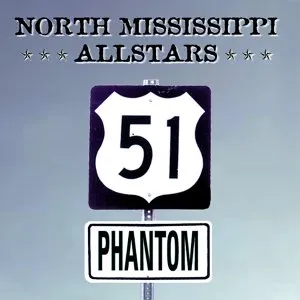
2001
51 Phantom
North Mississippi Allstars
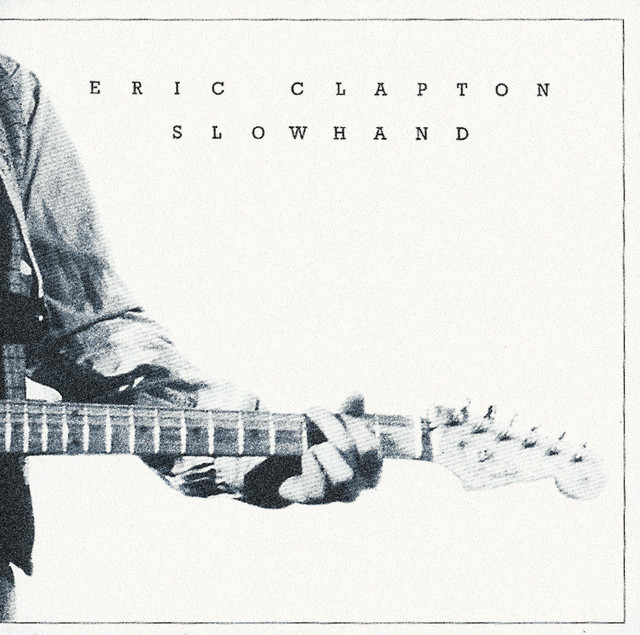
1977
Slowhand 35th Anniversary
Eric Clapton
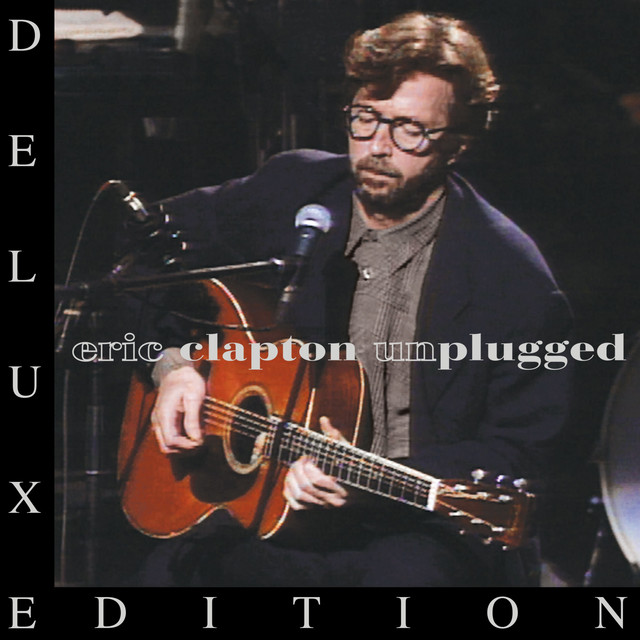
1992
Unplugged (Deluxe Edition) (Live)
Eric Clapton
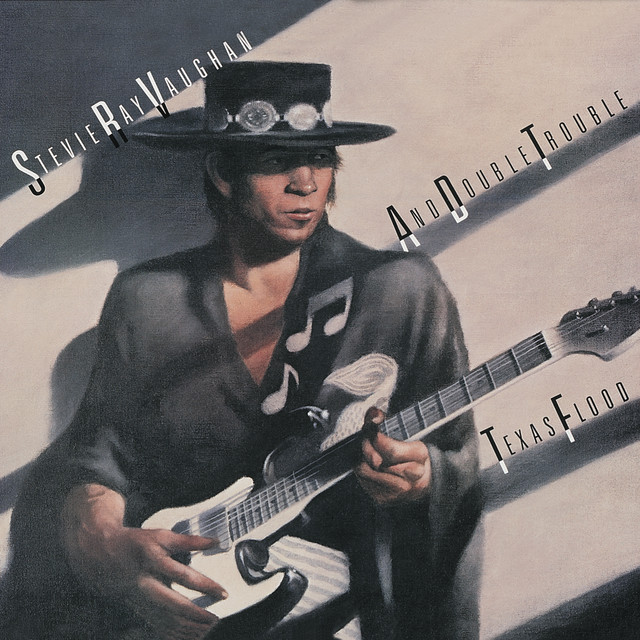
1983
Texas Flood
Stevie Ray Vaughan and Double Trouble
1972
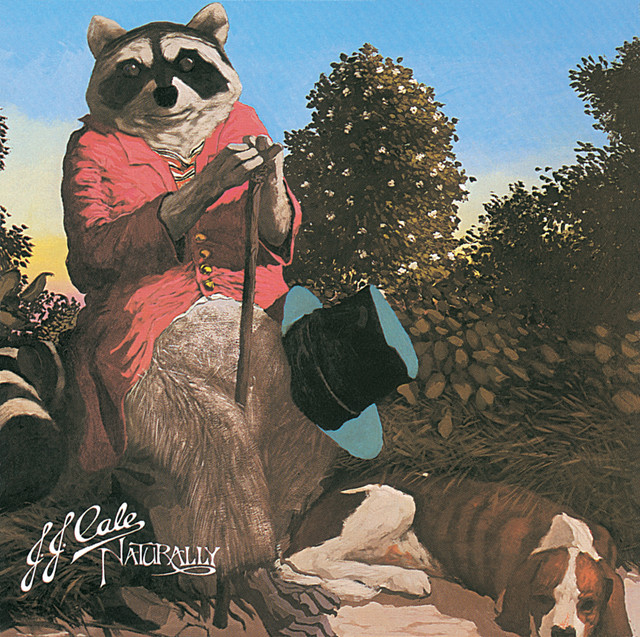
Naturally
J.J. Cale
2020
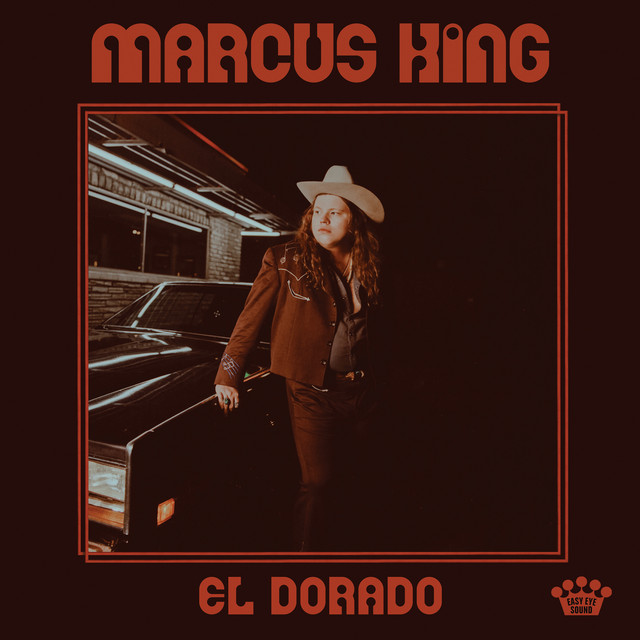
El Dorado
Marcus King
1984
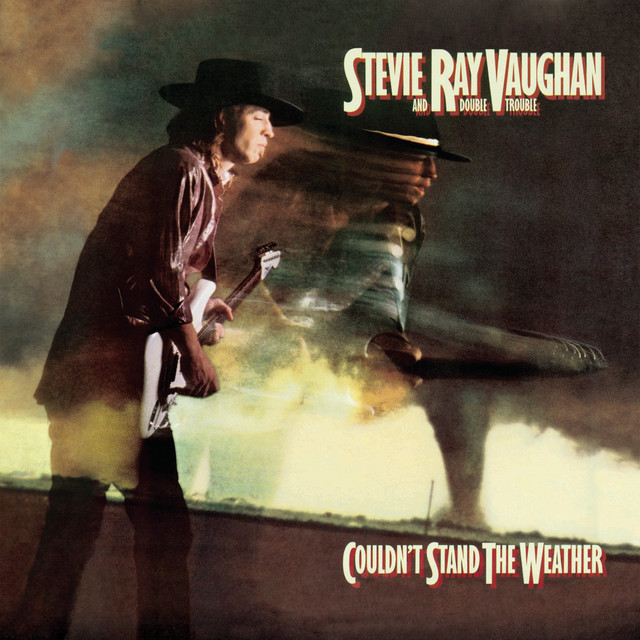
Couldn't Stand The Weather (Legacy Edition)
Stevie Ray Vaughan
Download our mobile app
Get the Melodigging app and start digging for new genres on the go
Download on the App Store
Get it on Google Play
© 2026 Melodigging
Give feedback
Legal
Melodding was created as a tribute to
Every Noise at Once
, which inspired us to help curious minds keep digging into music's ever-evolving genres.