Genres
Artists
Albums
Make Music
Sign in
Sign in
Albums
By Sheikh Hussein Al Akraf
Albums
By Sheikh Hussein Al Akraf
محضر الله
September 10, 2018
Listen
Genres
Nohay
Nohay (also written nauha in Urdu and noheh in Persian) are lamentation chants within Shia Muslim devotional culture, performed to mourn the tragedy of Karbala and other sufferings of the Prophet's family (Ahl al-Bayt). They are typically intoned in group settings, especially during the month of Muharram and on Arba'een, and are closely tied to the rhythmic ritual of chest‑beating (matam). Musically, nohay are primarily a cappella and strophic, delivered in a declamatory, chant‑like style that sits between recitation and melody. The lead reciter (nauha‑khwan) often employs call‑and‑response with a chorus, building intensity through repetition, cadential cries, and dynamic swells synchronized with communal matam. Texts are poetic and elegiac, commonly in Urdu, Persian, and Arabic, and focus on themes of martyrdom, grief, steadfastness, and moral resistance. While instruments are generally avoided in traditional contexts, the ensemble timbre is shaped by voices, handclaps, and the percussive sound of chest‑beating. Melodic contours draw on local modal sensibilities (Arabic maqam and, in South Asia, Hindustani modal nuance), but remain relatively narrow in range to prioritize text clarity, pathos, and collective participation.
Discover
Listen
Latmiya
Latmiya (Arabic: لطميات) is a Shia Islamic lamentation genre centered on rhythmic chest-beating (latm) and collective mourning chants that commemorate the martyrdom of Imam Husayn ibn Ali and the events of Karbala. Typically led by a reciter (rādūd) with call-and-response refrains, latmiyāt are performed in mourning gatherings, processions, and during Muharram and Arbaʿeen. The melodic language draws on Arabic maqām traditions (often Ḥijāz, Nahāwand, Kurd, or Bayāt), while the rhythm is set by the beat of hands on the chest, producing a powerful, communal pulse. Many performances are fully a cappella; in some contemporary, recorded contexts, minimal percussion (e.g., daf/frame drum) or light keyboards and strings are added. Texts are devotional and elegiac—lamenting the tragedy of Karbala, praising the Ahl al-Bayt, invoking moral lessons of sacrifice, justice, and steadfastness, and often culminating in collective acclamations (e.g., labbayka yā Ḥusayn). Although closely related to Persian nohe/maddahi and South Asian nauha traditions, “latmiya” refers most specifically to the Arabic-chant, chest-beating form prevalent in Iraq and the Gulf.
Discover
Listen
Similar albums
2012
Bassem Al Karbalai (Collection)
Bassem Al Karbalai
2019
Top Of Majid Bani Fatemeh, Vol. 2
Majid Bani Fatemeh
2020
To Fly
Ammar Al Nashed
2018
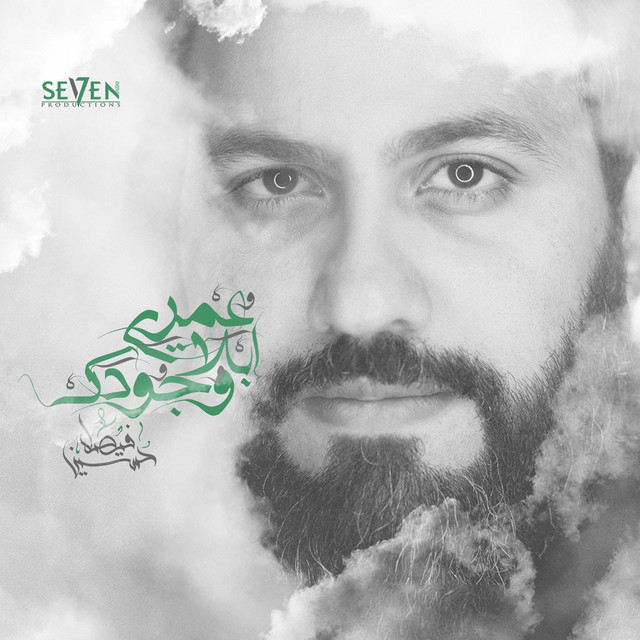
عمري ابلا وجودك
Hussein Faisal
2017
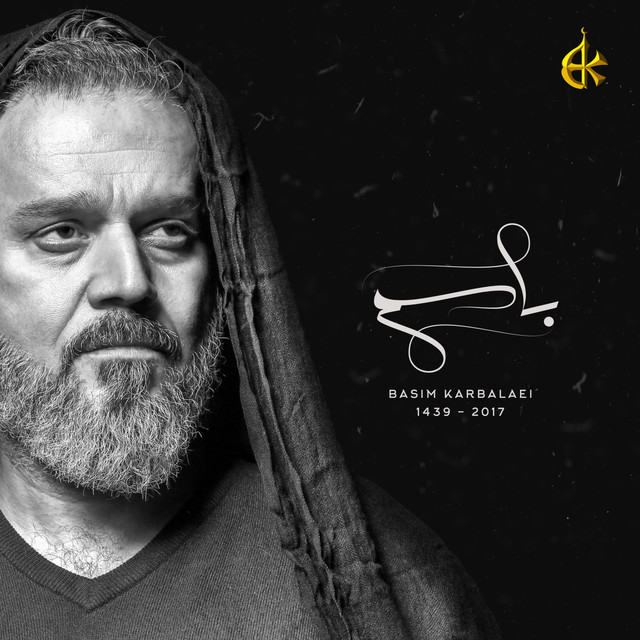
Basim
Basim Karbalaei
2015
يوم الأربعين (Yawm al arbaeen)
Basim Karbalaei باسم الكربلائي
2019
Public Resurrection
Mahmoud Karimi محمود کریمی
2017
Tareq Al Ashq
Nazar Al Qatary
2022
مولاي الحسين
حسين خيرالدين
2020
Majid Banifatemeh Mix
Majid Banifatemeh
Download our mobile app
Get the Melodigging app and start digging for new genres on the go
Download on the App Store
Get it on Google Play
© 2026 Melodigging
Give feedback
Legal
Melodding was created as a tribute to
Every Noise at Once
, which inspired us to help curious minds keep digging into music's ever-evolving genres.