Genres
Make Music
Artists
Albums
Challenges
Sign in
Sign in
Albums
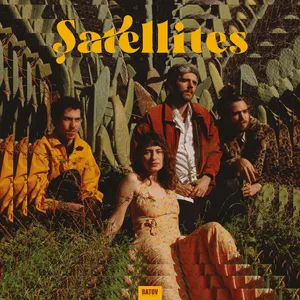
By Şatellites
Albums
By Şatellites
Şatellites
April 1, 2022
Listen
3
/5
Genres
World
World music is a broad, industry-coined umbrella for traditional, folk, and contemporary popular styles from around the globe that fall outside the Anglo-American pop mainstream. The label emerged in the 1980s as a retail and marketing category to group diverse regional musics for international distribution. Musically, it spans acoustic and electric instrumentation; modal, pentatonic, and microtonal pitch systems; and rhythms ranging from cyclical grooves and polyrhythms to asymmetrical meters. While the term can obscure local specificity, it also facilitated cross-cultural collaboration, festivals, and recordings that brought regional genres to wider audiences.
Discover
Listen
Anatolian Rock
Anatolian rock (also called Anadolu rock or Turkish psych) is a hybrid style that fuses Western rock idioms with Anatolian/Turkish folk traditions and the makam-based modal system. It emerged in the mid-to-late 1960s as Turkish musicians adapted beat, garage, and psychedelic rock to local melodies, scales, and rhythms. Typical instrumentation combines fuzzed electric guitars and bass with amplified bağlama (saz), Farfisa/Hammond organs, and a rock drum kit, often supplemented by traditional percussion. Songs frequently use "aksak" (limping) meters such as 9/8, 7/8, and 5/8, and melodies draw on makams like Hicaz, Hüseyni, Uşşak, Rast, and Kürdi. Lyrics are usually in Turkish and range from folk poetry and mystic allegory to social critique and protest. The style is renowned for its thick, swirling textures—spring reverb, tape saturation, phasing, and wah-wah—while retaining the narrative and modal richness of Anatolian musical heritage. It stands as a signature example of East–West synthesis in popular music.
Discover
Listen
Funk
Funk is a rhythm-forward African American popular music style that centers on groove, syncopation, and interlocking parts. Rather than emphasizing complex chord progressions, funk builds tight, repetitive vamps that highlight the rhythm section and create an irresistible dance feel. The genre is marked by syncopated drum patterns, melodic yet percussive bass lines, choppy guitar "chanks," punchy horn stabs, call‑and‑response vocals, and a strong backbeat. Funk’s stripped-down harmony, prominent use of the one (accenting the downbeat), and polyrhythmic layering draw deeply from soul, rhythm and blues, jazz, gospel, and African rhythmic traditions. From James Brown’s late-1960s innovations through the expansive P-Funk universe and the slicker sounds of the 1970s and 1980s, funk has continually evolved while seeding countless other genres, from disco and hip hop to house and modern R&B.
Discover
Listen
Soul
Soul is a genre of popular music that blends the spiritual fervor and vocal techniques of African‑American gospel with the grooves and song forms of rhythm & blues and the harmonic palette of jazz and blues. It is defined by impassioned, melismatic lead vocals; call‑and‑response with backing singers; handclaps and a strong backbeat; syncopated bass lines; and memorable horn or string riffs. Typical instrumentation includes drum kit, electric bass, electric guitar, piano or Hammond organ, horns (trumpet, saxophone, trombone), and sometimes orchestral strings. Lyrically, soul ranges from love and heartbreak to pride, social commentary, and spiritual yearning. Regionally distinct scenes—such as Detroit’s Motown, Memphis/Stax, Muscle Shoals, Chicago, New Orleans, and Philadelphia—shaped different flavors of soul, while the style’s emotional directness and rhythmic drive made it a cornerstone of later funk, disco, contemporary R&B, and hip hop.
Discover
Listen
Turkish Music
Turkish music is a broad umbrella encompassing the courtly classical traditions of the Ottoman era, regional folk styles of Anatolia and Thrace, Sufi devotional practices, and modern popular forms that blend local aesthetics with global genres. Its classical core is organized by makam (melodic modes) and usul (cyclical rhythms), using microtonal intervals and rich ornamentation. Instruments such as oud (ud), tanbur, ney, kanun, bağlama (saz), kemençe, and a variety of frame and goblet drums are central. Folk idioms feature asymmetrical meters (like 9/8 or 7/8), call‑and‑response vocals, and dance forms like halay and çiftetelli. Since the 20th century, Turkish music has integrated Western harmony, orchestration, and production techniques, giving rise to arabesk, Anatolian rock, Turkish pop, and hip hop while maintaining the expressive depth and modal nuance characteristic of its older traditions.
Discover
Listen
Similar albums
2023
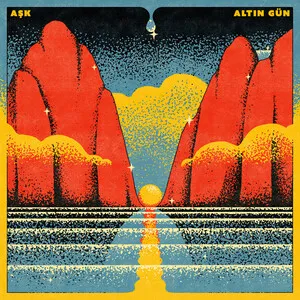
Aşk
Altın Gün
2019
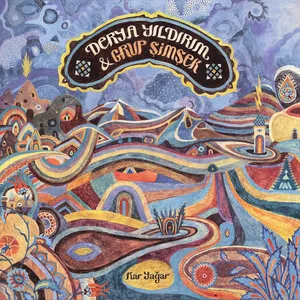
Kar Yağar
Derya Yıldırım & Grup Şimşek
1995
HIStory - PAST, PRESENT AND FUTURE - BOOK I
Michael Jackson
1978
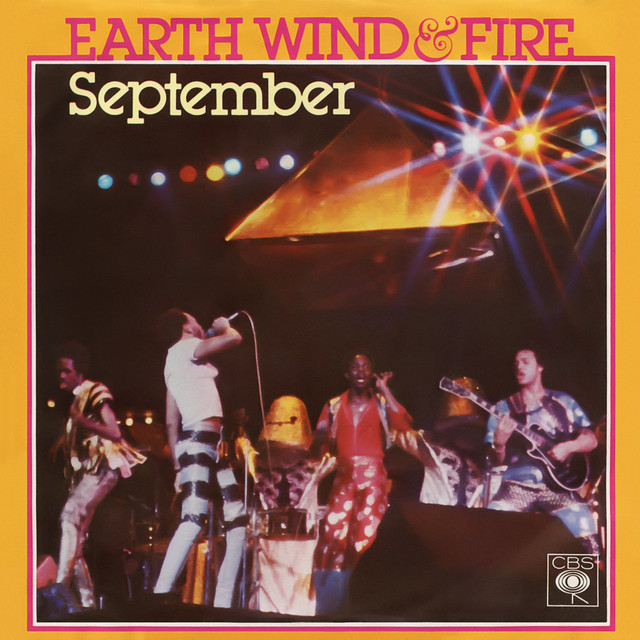
September (sped up + slowed)
Earth, Wind & Fire
1972
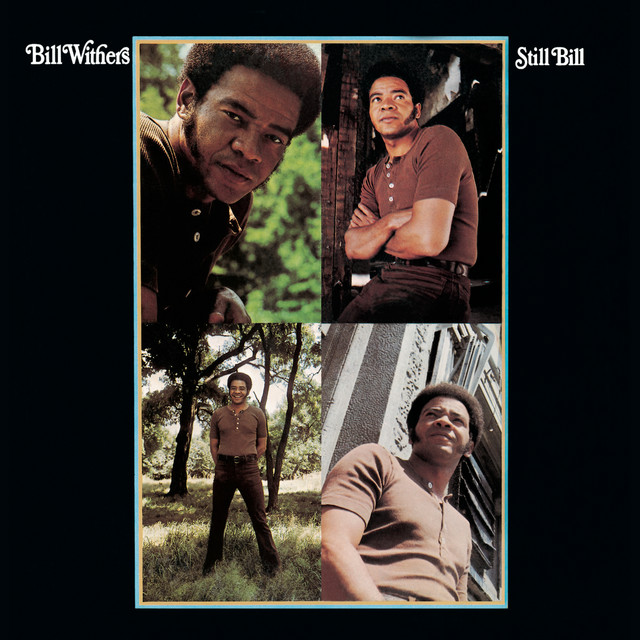
Still Bill
Bill Withers
1975
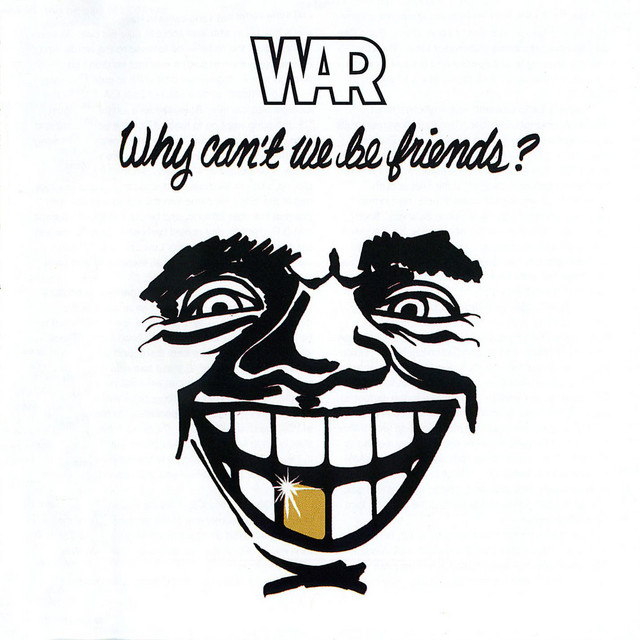
Why Can't We Be Friends?
War
2015
The Universe Smiles Upon You
Khruangbin
1973
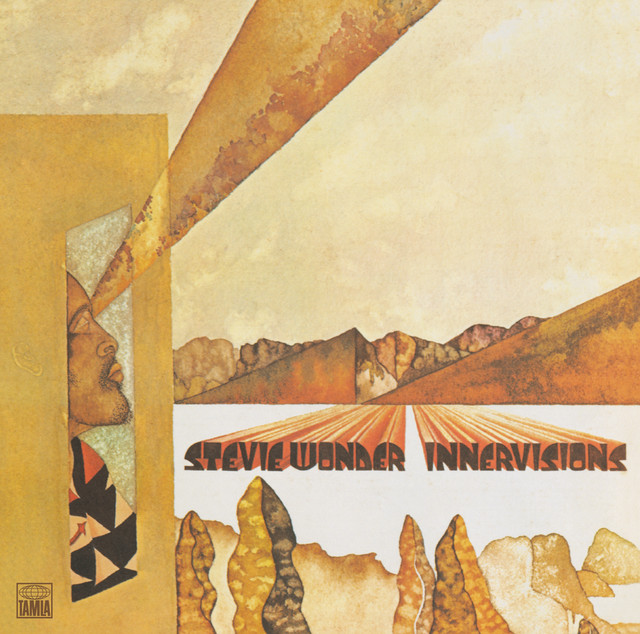
Innervisions
Stevie Wonder
1970
Third Album
Jackson 5
1975
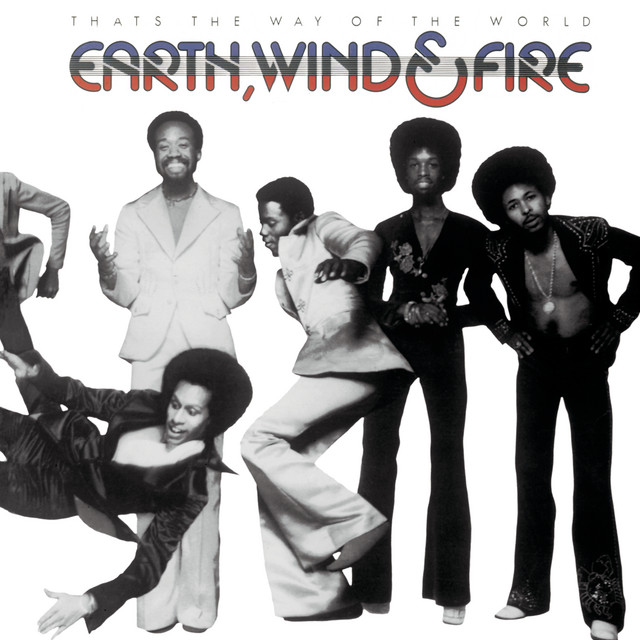
That's The Way Of The World
Earth, Wind & Fire
Download our mobile app
Get the Melodigging app and start digging for new genres on the go
Download on the App Store
Get it on Google Play
© 2026 Melodigging
Give feedback
Legal
Melodding was created as a tribute to
Every Noise at Once
, which inspired us to help curious minds keep digging into music's ever-evolving genres.