Genres
Make Music
Artists
Albums
Challenges
Sign in
Sign in
Albums
By Jeff Beck
Albums
By Jeff Beck
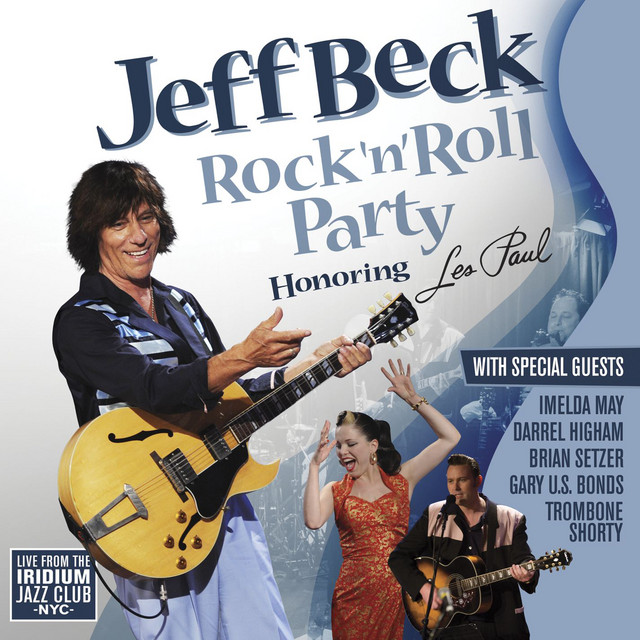
Rock 'n' Roll Party - Honoring Les Paul
February 22, 2011
Listen
2
/5
Genres
British Blues
British blues is a UK-grown interpretation of African American blues, initially modeled on Chicago and Delta styles but performed with the raw volume and urgency of postwar British youth culture. It features electric guitar, amplified harmonica, bass, drums, and often piano or Hammond organ, favoring 12-bar forms, shuffles, slow blues, and minor-key vamps delivered with emotive vocals and extended soloing. The scene coalesced around early-1960s London venues such as the Ealing Club, catalyzing bands and players who would ignite the British blues boom and, in turn, reshape rock worldwide.
Discover
Listen
Instrumental Rock
Instrumental rock is a branch of rock music in which the featured melodies and hooks are carried by instruments—most famously the electric guitar—rather than a lead singer. Emerging in the late 1950s, it emphasizes memorable riffs, strong rhythmic backbeats, and distinctive guitar tones (twang, tremolo picking, and spring reverb), often supported by bass, drums, and sometimes organ or saxophone. It ranges from raw, riff-driven singles to more sophisticated, jazz-tinged or studio-crafted pieces. While closely associated with early surf sounds, instrumental rock is broader, encompassing twangy rock-and-roll, R&B-rooted combo instrumentals, and later virtuoso guitar showcases.
Discover
Listen
Electric Blues
Electric blues is a postwar evolution of the blues that centers on amplified instruments and a compact, urban band sound. It emerged when rural blues musicians brought their music to industrial cities and adopted electric guitar, amplified harmonica, bass, drums, and piano to cut through noisy clubs. Musically, electric blues relies on 12‑bar and 8‑bar forms, dominant‑7th harmony, and a swung shuffle or boogie groove. Guitarists use string bends, wide vibrato, double‑stops, turnarounds, and call‑and‑response with vocals and harmonica. Amplified harmonica (often through a bullet mic and small tube amp) acts like a lead horn, trading riffs with the guitar. The sound is thick, gritty, and vocal, with tube‑amp breakup, subtle reverb, and sometimes tremolo. Lyrically, themes cover migration, love and betrayal, work and hardship, and the pulse of city life. Regionally, Chicago became the emblem of the style, but strong variants also blossomed in Memphis, Detroit, and Texas.
Discover
Listen
Similar albums
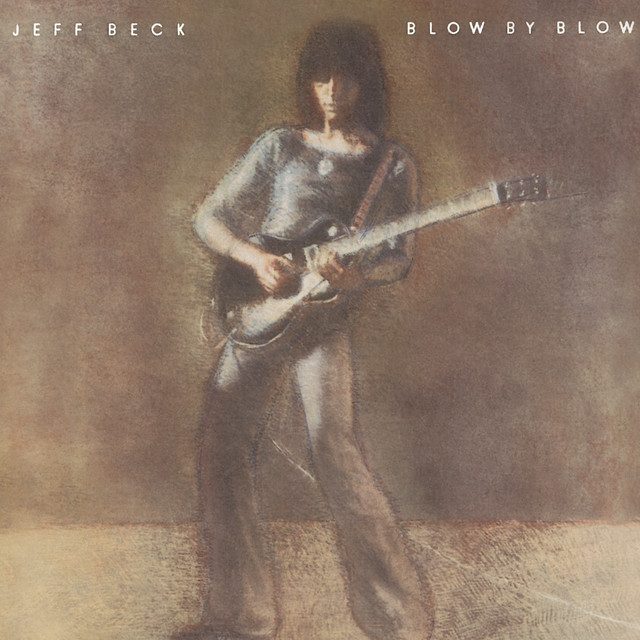
1975
Blow By Blow
Jeff Beck
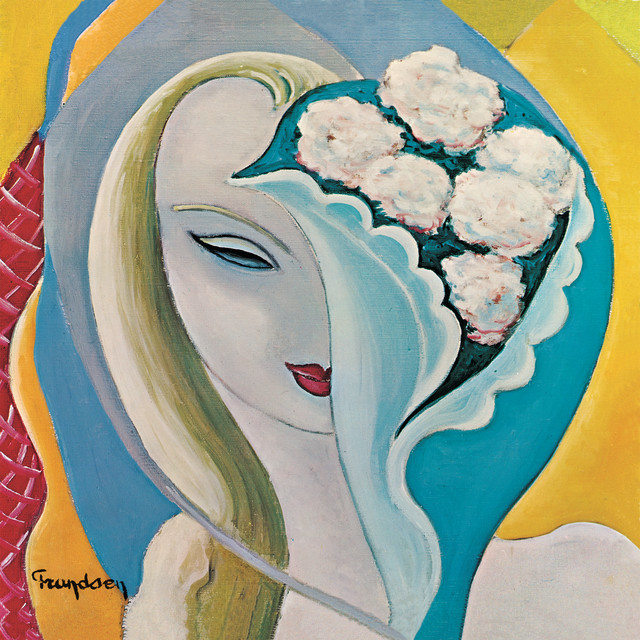
1970
Layla and Other Assorted Love Songs
Derek and The Dominos
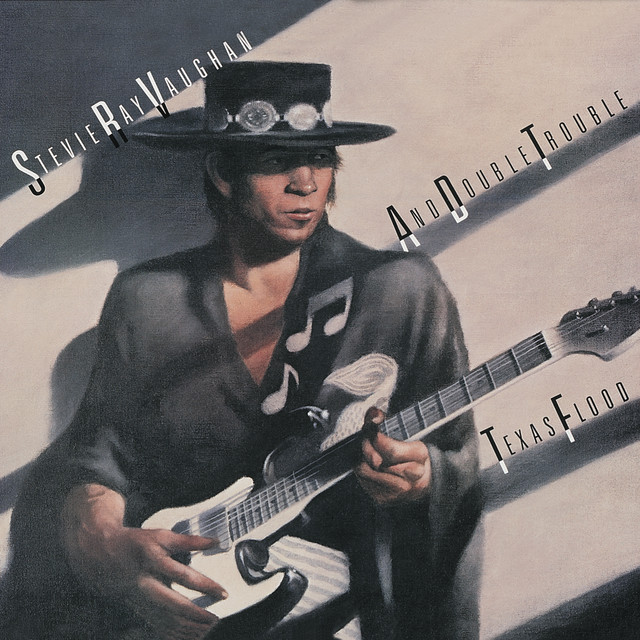
1983
Texas Flood
Stevie Ray Vaughan and Double Trouble
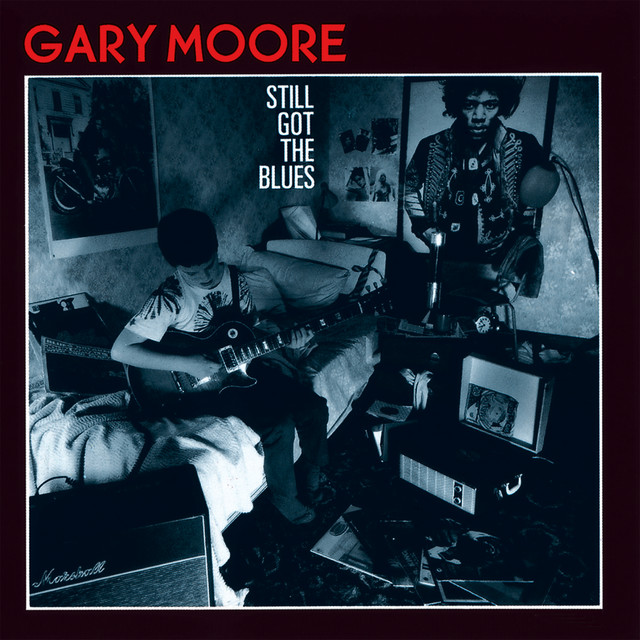
1990
Still Got The Blues
Gary Moore
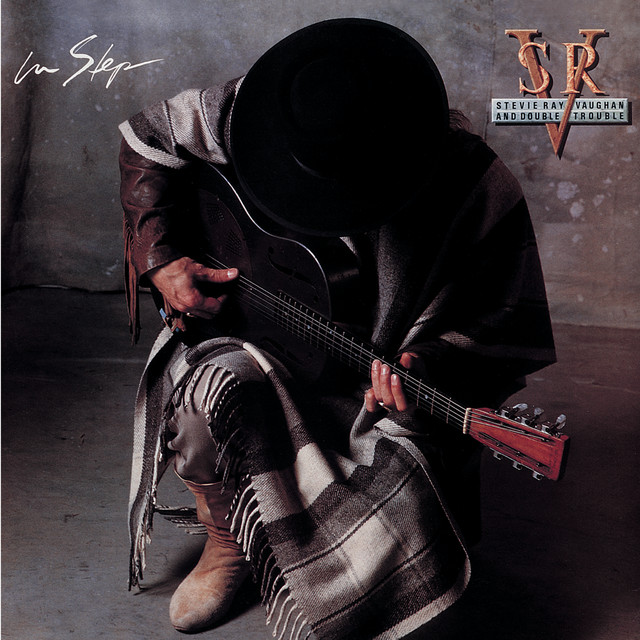
1989
In Step
Stevie Ray Vaughan and Double Trouble
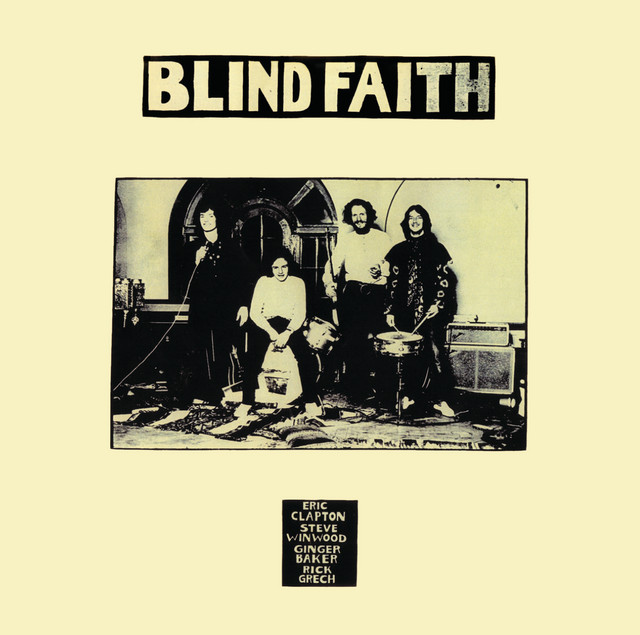
1969
Blind Faith
Blind Faith
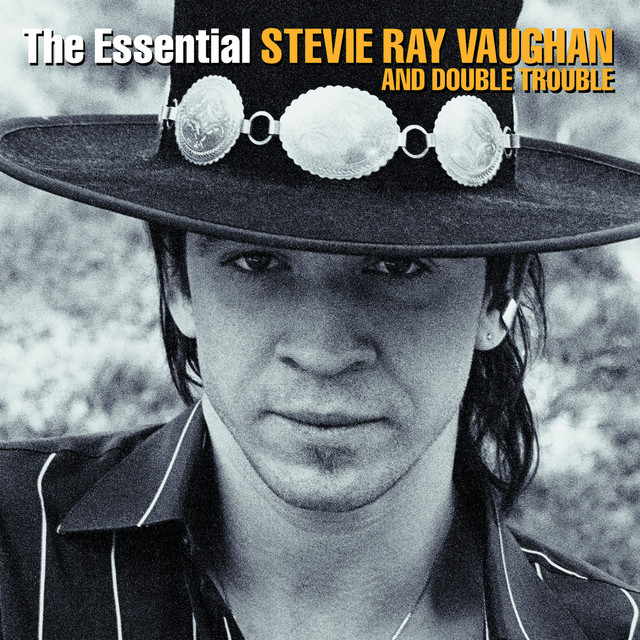
2002
The Essential Stevie Ray Vaughan And Double Trouble
Stevie Ray Vaughan
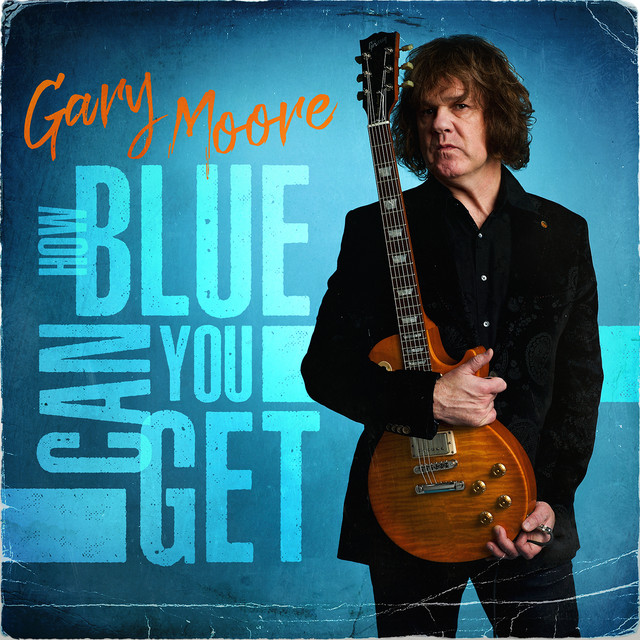
2021
How Blue Can You Get
Gary Moore
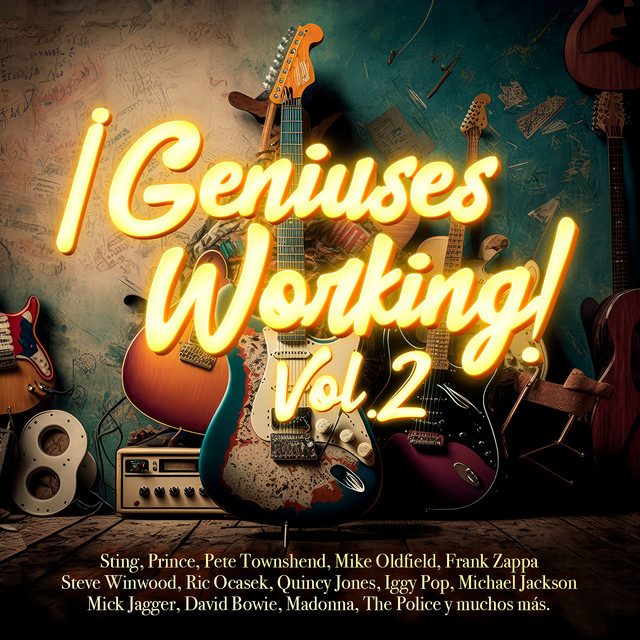
2023
¡Geniuses Working! Vol. 2
Derek & The Dominos
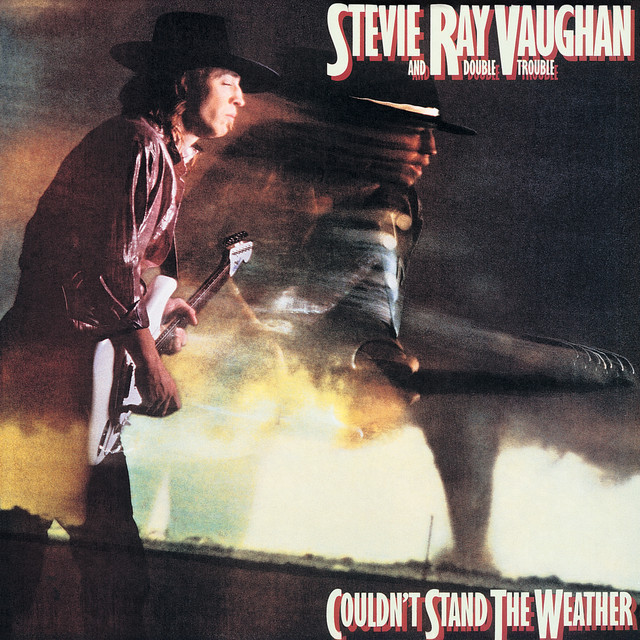
1984
Couldn't Stand the Weather
Stevie Ray Vaughan and Double Trouble
Download our mobile app
Get the Melodigging app and start digging for new genres on the go
Download on the App Store
Get it on Google Play
© 2026 Melodigging
Give feedback
Legal
Melodding was created as a tribute to
Every Noise at Once
, which inspired us to help curious minds keep digging into music's ever-evolving genres.