Genres
Make Music
Artists
Albums
Challenges
Sign in
Sign in
Albums
By Flying Lotus
Albums
By Flying Lotus
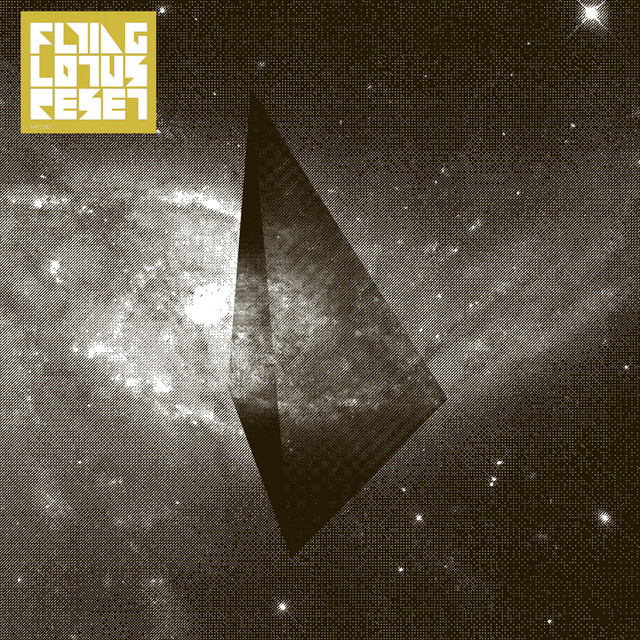
Reset EP
October 1, 2007
Listen
1
/5
Genres
Glitch Hop
Glitch hop blends the rhythmic foundations of hip hop with the sound-design ethos of glitch and IDM. It is characterized by half-time, head-nodding grooves, intricately edited drums, and meticulous digital processing such as stutter edits, bit-crushing, time-stretch artifacts, and granular slicing. Typically sitting around 80–110 BPM (often felt in half-time), the style emphasizes heavy, syncopated bass lines, swung percussion, and detailed micro-edits that create a "broken yet groovy" feel. While largely instrumental, it often incorporates vocal chops, turntable scratches, and foley textures to add human feel and narrative color.
Discover
Listen
Wonky
Wonky is a lopsided, synth-forward strain of experimental hip hop and UK bass that emerged in the late 2000s. It is defined by off-grid, swaggering drum programming, rubbery sub-bass, and brightly detuned, pitch-bent lead synths that feel as if they wobble in and out of time. Producers often work around 70–80 BPM (or 140–160 BPM in half-time), using heavy swing, microtiming, and syncopation to create a drunken, stumbling groove. Sonically, it blends the head-nod of instrumental hip hop with the sound design sensibilities of IDM, the sub-weight of dubstep, and the neon melodicism associated with Bristol’s "purple" sound. The result is music that is both club-ready and headphone-detailed: playful yet moody, maximal in color but minimal in arrangement, and distinctly characterized by elastic rhythms and glossy, detuned synth textures.
Discover
Listen
Psychedelic Hip Hop
Psychedelic hip hop is a subgenre of hip-hop that blends rap with psychedelic music aesthetics. It emphasizes altered, dreamlike, or surreal atmospheres through hazy production, unusual samples, and hypnotic repetition. Common sonic traits include swirling synths, tape-like saturation, phasing/flanging effects, chopped or time-stretched samples, and basslines that feel elastic or “warped.” Lyrically, it often leans toward introspection, abstract imagery, and mind-expansion themes rather than strictly narrative street reportage.
Discover
Listen
Instrumental Hip Hop
Instrumental hip hop is a producer-driven form of hip hop that foregrounds beats, textures, and sampling rather than rapping. It typically centers on loop-based drum patterns, chopped samples from soul, jazz, funk, and library records, and a head‑nodding groove designed for deep listening as much as for DJs and MCs. The style emphasizes rhythm, timbre, and mood—swinging drums, dusty vinyl crackle, and melodic fragments treated as musical motifs. While rooted in classic boom bap aesthetics, instrumental hip hop ranges from minimal and meditative to densely collaged and psychedelic, reflecting both crate-digging traditions and studio experimentation.
Discover
Listen
Idm
IDM (often expanded as "Intelligent Dance Music") is a strand of experimental electronic music that applies the sound palette and production methods of club genres to listening-focused, often home-oriented works. It favors intricate rhythm programming, unusual time signatures, and richly textured sound design, blending ambient atmospheres with techno’s pulse, electro’s syncopation, and breakbeat’s fragmentation. The music often de-emphasizes the dancefloor in favor of headphone detail, algorithmic structure, and timbral exploration. The term itself is contentious—many artists rejected the "intelligent" label—yet it became a convenient tag for the early- to mid‑1990s cluster of Warp, Rephlex, and related scenes that foregrounded complexity, abstraction, and emotional ambiguity.
Discover
Listen
Jazztronica
Jazztronica is a hybrid style that fuses the improvisational language, harmony, and timbres of jazz with contemporary electronic music production and rhythms. It often balances live instrumentation—such as saxophone, keys, bass, and drums—with programmed beats, sampling, and synthesis. Producers and bands in this genre draw from jazz-funk, acid jazz, and fusion, then layer in elements of downtempo, house, hip hop, broken beat, and IDM. The result ranges from head‑nod, beat‑driven tracks to club‑leaning grooves and cinematic, atmospheric pieces. Hallmarks include extended jazz chords, swung or syncopated drum programming, elastic basslines (both electric and synthesized), and textural sound design that supports improvisation and groove.
Discover
Listen
Glitch
Glitch is an experimental electronic music genre that foregrounds the sounds of technological error—digital clicks, pops, clipping, buffer underruns, CD skipping, software crashes, and bit‑reduction. Rather than hiding artifacts, producers use them as primary musical material, often arranged through extreme micro‑editing and non‑linear sequencing. Texturally, glitch spans austere minimalism to warm, hazy ambience. Rhythms tend to be fragmented and asymmetrical, with sudden cuts, stutters, and silences that create tension and negative space. The palette commonly includes sine‑tone grains, granular clouds, filtered noise, and hyper‑detailed percussive fragments, sometimes sitting over subdued drones or dub‑inflected low end. The style emerged in the late 1990s around labels such as Mille Plateaux, influenced by IDM, minimal techno, and the aesthetics of failure in digital media. It later permeated pop and beat‑driven styles through sound‑design techniques that evoke imperfection and transience.
Discover
Listen
Experimental Hip Hop
Experimental hip hop (often called avant-rap or left-field hip hop) pushes rap beyond conventional song forms, sound palettes, and production techniques. It hybridizes boom‑bap and contemporary hip hop rhythms with ideas from industrial, noise, IDM, electroacoustic music, and free jazz, favoring timbral risk‑taking, collage, and abstraction over radio‑oriented polish. Producers and MCs in this style disrupt expectations with unusual meters, asymmetric loops, microtiming, extreme dynamics, and heavy sound design (distortion, granular and spectral processing, tape manipulation). Vocals may range from conventional rapping to spoken word, chant, screams, or heavily processed deliveries. The result foregrounds texture, mood, and concept as much as groove and lyrical content.
Discover
Listen
Afrofuturism
Afrofuturism in music blends Black diasporic musical traditions with science-fiction, speculative history, and visions of liberated futures. It fuses the grooves of funk and soul, the harmonic adventurousness of jazz, and the synthetic timbres of electronic music with cosmic imagery, myth-making, and techno-utopian (and often techno-critical) narratives. Sonically, it favors analog and digital synthesizers, vocoders and talkboxes, spacey effects, hypnotic basslines, and polyrhythmic drumming that points back to African rhythmic logics. Lyrically and visually, it imagines alternate timelines, extraterrestrial migrations, underwater civilizations, and high-tech Black modernities as vehicles for cultural memory, self-determination, and critique.
Discover
Listen
Hip Hop
Hip hop is a cultural and musical movement that emerged from Black, Latino, and Caribbean communities, centering around rapping (MCing), DJing/turntablism, sampling-based production, and rhythmic speech over beats. It prioritizes groove, wordplay, and storytelling, often reflecting the social realities of urban life. Musically, hip hop is built on drum-centric rhythms (from breakbeats to 808 patterns), looped samples, and bass-forward mixes. Lyrically, it ranges from party anthems and braggadocio to political commentary and intricate poetic forms, with flow, cadence, and rhyme density as core expressive tools. Beyond music, hip hop encompasses a broader culture, historically intertwined with graffiti, b-boying/b-girling (breakdance), fashion, and street entrepreneurship, making it both an art form and a global social language.
Discover
Listen
Electronic
Electronic is a broad umbrella genre defined by the primary use of electronically generated or electronically processed sound. It encompasses music made with synthesizers, drum machines, samplers, computers, and studio/tape techniques, as well as electroacoustic manipulation of recorded or synthetic sources. The genre ranges from academic and experimental traditions to popular and dance-oriented forms. While its sonic palette is rooted in electricity and circuitry, its aesthetics span minimal and textural explorations, structured song forms, and beat-driven club permutations. Electronic emphasizes sound design, timbre, and studio-as-instrument practices as much as melody and harmony.
Discover
Listen
Instrumental
Instrumental is music created and performed without sung lyrics, placing the expressive weight on melody, rhythm, harmony, and timbre produced by instruments. As an umbrella practice it appears in many cultures, but its modern identity cohered in Baroque-era Europe when purely instrumental forms such as the sonata, concerto, and dance suites began to flourish. Since then, instrumental thinking—developing motives, structuring form without text, and showcasing timbral contrast—has informed everything from orchestral music and solo piano repertoire to post-rock, film scores, and beat-driven electronic styles. Instrumental works can be intimate (solo or chamber) or expansive (full orchestra), narrative (programmatic) or abstract (absolute music). The absence of lyrics invites listeners to project imagery and emotion, making the style a natural fit for cinema, games, and contemplative listening.
Discover
Listen
Similar albums
2025
OXYGENE (from "ASH" Soundtrack)
Flying Lotus
2010
Cosmogramma
Flying Lotus
2024
Ingo Swann
Flying Lotus
2021
Yasuke
Flying Lotus
2021
By the Time I Get to Phoenix
Injury Reserve
2020
Instrumental Relics
Clams Casino
2010
Drink the Sea
The Glitch Mob
2012
Black Sands Remixed
Bonobo
2009
Dreamcast Summer Songs
The Rockwood Escape Plan
2013
The Cold Vein
Cannibal Ox
Download our mobile app
Get the Melodigging app and start digging for new genres on the go
Download on the App Store
Get it on Google Play
© 2026 Melodigging
Give feedback
Legal
Melodding was created as a tribute to
Every Noise at Once
, which inspired us to help curious minds keep digging into music's ever-evolving genres.