Genres
Make Music
Artists
Albums
Challenges
Sign in
Sign in
Albums
By Various Artists
Albums
By Various Artists
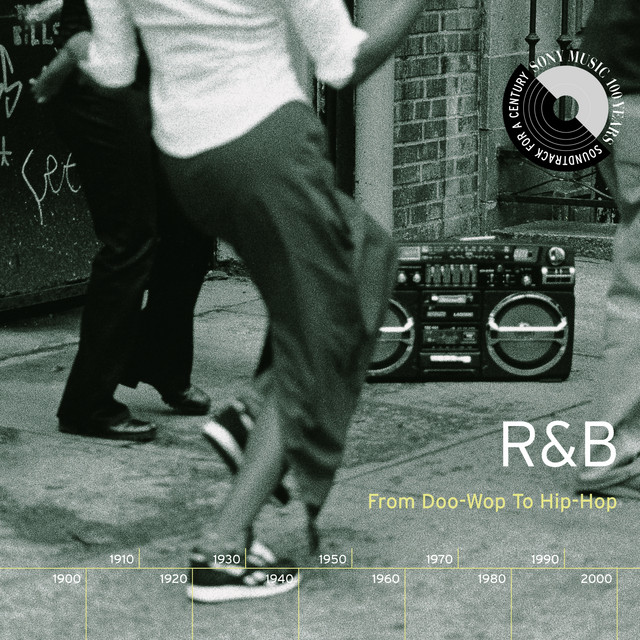
R&B: From Doo-Wop To Hip-Hop
October 8, 1999
Listen
4
/5
Genres
New Jack Swing
New jack swing is a late‑1980s fusion of contemporary R&B vocal harmony and melodies with hip‑hop’s drum programming, sampling aesthetics, and street attitude. It is defined by swung, hard‑hitting drum‑machine grooves (often with gated snares), bright synth stabs and bass, and a slick, dance‑oriented production style. Producers and vocal groups combined rap verses or talk‑style ad‑libs with smooth, hook‑forward choruses, making the sound equally suited for radio and choreography‑heavy performances. The style dominated U.S. pop and R&B charts from the late 1980s into the early 1990s, influencing mainstream pop as well as the first waves of K‑pop and shaping the trajectory of 1990s contemporary R&B.
Discover
Listen
Hip Pop
Hip pop is a pop-first, radio-friendly style that borrows the aesthetics and techniques of hip hop—rap verses, 808-driven drums, and streetwise swagger—while foregrounding bright hooks, catchy toplines, and polished pop structures. Typically built around 4/4 grooves at mid to uptempo ranges, it blends dance-pop energy, R&B smoothness, and hip hop cadences. The result is hook-dominant songs with clean, glossy production, sing-rap deliveries, and party-, romance-, or empowerment-themed lyrics designed for mainstream charts and clubs. Compared with pop rap (which is hip hop that leans pop), hip pop is pop that incorporates hip hop elements. It often features four-on-the-floor kick patterns, big synths or EDM textures, and accessible flows that prioritize earworm choruses.
Discover
Listen
Minneapolis Sound
The Minneapolis sound is a lean, synth-forward fusion of funk, rock, R&B, and new wave that emerged from Minneapolis in the late 1970s and broke through in the early 1980s. It is defined by punchy drum-machine grooves (famously the Linn LM-1), bright rhythm guitars, prominent synth bass replacing traditional horn sections, and minimal yet hook-heavy arrangements. Vocals often feature stacked harmonies and call-and-response, while lyrics tend toward sensual, playful, and streetwise themes with occasional social commentary. The style was pioneered by Prince and a close circle of collaborators, and it reshaped mainstream pop and contemporary R&B production for decades.
Discover
Listen
Post-Disco
Post-disco emerged at the turn of the 1980s as club music adapted to the backlash against late-1970s disco. It kept disco’s dance-floor focus but pared down the orchestral lushness, replacing strings and large horn sections with drum machines, synthesizers, and tighter funk- and soul-informed grooves. The style favors mid-tempo, bass-forward rhythms (often around 105–120 BPM), crisp handclaps, syncopated rhythm guitar, and glossy keyboard textures. It served as a bridge between classic disco and later developments like boogie, electro-funk, house, freestyle, and dance-pop, defining the sonic palette of early 1980s urban contemporary R&B.
Discover
Listen
P-Funk
P-funk (short for Parliament-Funkadelic or pure funk) is a highly amplified, psychedelic strain of funk characterized by deep, “on-the-one” grooves, rubbery bass lines, dense horn and vocal arrangements, and sci‑fi mythology. It blends earthy danceability with surreal, cosmic imagery and extended jam-based song forms. Centering around George Clinton’s Parliament and Funkadelic collectives, P-funk turned funk into an expansive, theatrical universe. Its sound mixes gospel call‑and‑response, soul harmonies, psychedelic rock guitars, and analog synthesizers into a thick, syncopated stew designed for both the dance floor and immersive listening. The result is music that is at once humorous and visionary, gritty and cosmic.
Discover
Listen
Philly Soul
Philly soul (Philadelphia soul) is a lush, orchestrated strain of soul music defined by sweeping strings, punchy horns, tight rhythm sections, and silky vocal harmonies. It balances gospel-rooted emotion with pop polish and sophisticated arrangements, often featuring extended chords, modulations, and memorable hooks. Built around the production vision of Kenny Gamble, Leon Huff, and Thom Bell, the "Sound of Philadelphia" married socially conscious and romantic songwriting with studio precision at Sigma Sound Studios. The groove-forward rhythm sections, Latin-tinged percussion, and melodic basslines helped lay the groundwork for disco while retaining the warmth and humanity of classic soul.
Discover
Listen
Psychedelic Soul
Psychedelic soul blends the grit and gospel-rooted emotion of soul and rhythm & blues with the studio experimentation and mind-bending textures of late-1960s psychedelic rock. Expect fuzzed-out or wah-wah guitars, extended vamping grooves, bold bass lines, swirling organs and electric pianos, phased drums, and liberal use of tape delay, reverb, and stereo panning. Lyrically it ranges from utopian idealism and cosmic imagery to socially conscious reflections on race, war, and urban life. The result is a sound that’s both danceable and hallucinatory: groove-first soul shot through with acid-rock color and studio-as-instrument creativity.
Discover
Listen
Funk Rock
Funk rock is a hybrid style that fuses the syncopated grooves, percussive rhythm guitar, and deep pocket of funk with the distorted riffs, power, and song forms of rock. Typical tracks feature tight, 16th‑note rhythmic interplay between bass, drums, and rhythm guitar, while lead guitars and vocals deliver rock’s edge and attitude. The harmony often stays close to dominant 7th (Mixolydian) colors and blues vocabulary, keeping the groove front and center. The style ranges from psychedelic and P‑Funk‑inflected experiments of the late 1960s and 1970s to the punchy alternative and crossover sounds of the 1980s and 1990s, and it continues to inform dance‑oriented rock and genre‑blending bands today.
Discover
Listen
Southern Soul
Southern soul is a regional style of 1960s soul music rooted in the U.S. South, centered on Memphis, Tennessee, and Muscle Shoals, Alabama. It blends the sanctified fervor of Black gospel with the grit of Southern rhythm & blues, blues, and the storytelling sensibility of country. Compared with the smoother, pop-oriented Motown sound, Southern soul is rawer and more church-inflected: impassioned lead vocals, call-and-response backing, handclaps, Hammond organ swells, tight horn stabs, and a deep pocket rhythm section. Classic recordings were cut largely live in the studio by house bands like Booker T. & the M.G.'s and the Muscle Shoals Rhythm Section, capturing a warm, unvarnished groove.
Discover
Listen
Chicago Soul
Chicago soul is a smooth, melodic branch of 1960s soul music that grew out of the city’s rich gospel, doo‑wop, and rhythm & blues traditions. Compared with the harder-edged Southern soul and the tightly percussive Motown sound, Chicago soul favors graceful string and horn arrangements, warm vocal harmonies, and a polished, pop-aware production aesthetic. It is defined by clean rhythm sections, gospel-inflected leads (often with falsetto), call-and-response backgrounds, and lyrical themes that range from tender romance to community uplift and social conscience. Key labels (Chess, Vee‑Jay, Okeh, Brunswick, and later Curtom) and producers/arrangers (notably Carl Davis and Johnny Pate) shaped a signature sound that balanced church-born emotion with urbane sophistication.
Discover
Listen
Jump Blues
Jump blues is a high‑energy, small‑combo offshoot of swing and urban blues that crystallized in the United States during the 1940s. It features driving boogie‑woogie piano patterns, a propulsive shuffle or backbeat, riffing horn sections (often led by tenor sax), and exuberant, shout‑style vocals. Songs typically use 12‑bar blues or related blues‑based forms at brisk tempos, with catchy call‑and‑response hooks between singer and horns. Lyrics frequently center on nightlife, romance, humor, and double entendres. The style’s compact arrangements, honking sax solos, and dance‑floor focus made it a jukebox staple and a crucial bridge from swing to rhythm and blues and early rock and roll.
Discover
Listen
Classic Blues
Classic blues (often called "classic female blues") is the early, urban, theater-bred form of the blues that flourished primarily in the 1920s. It is characterized by powerful lead vocalists—frequently women—fronting small jazz ensembles or a piano accompanist, with arrangements that translated the blues idiom to vaudeville stages and recording studios. Musically it typically uses the 12‑bar blues form, AAB lyric stanzas, swung or shuffle rhythms in 4/4, and prominent use of blue notes (flattened 3rd, 5th, and 7th). The style sits at the crossroads of Southern blues traditions, ragtime and early jazz, and the songcraft and professionalism of vaudeville and Tin Pan Alley. Classic blues differs from country/delta blues by its more formal arrangements, band instrumentation, and theatrical delivery. It launched the commercial “race records” era with Mamie Smith’s 1920 hit "Crazy Blues," and set the template for later jazz and R&B vocal performance.
Discover
Listen
Similar albums
2010
80s 100 Hits
The Pasadenas
2010
70s 100 Hits
Heatwave
1993
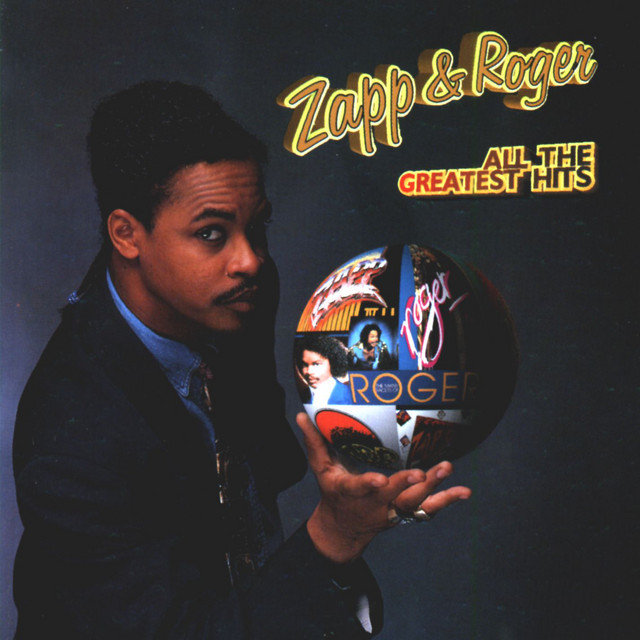
All the Greatest Hits
Zapp
1969
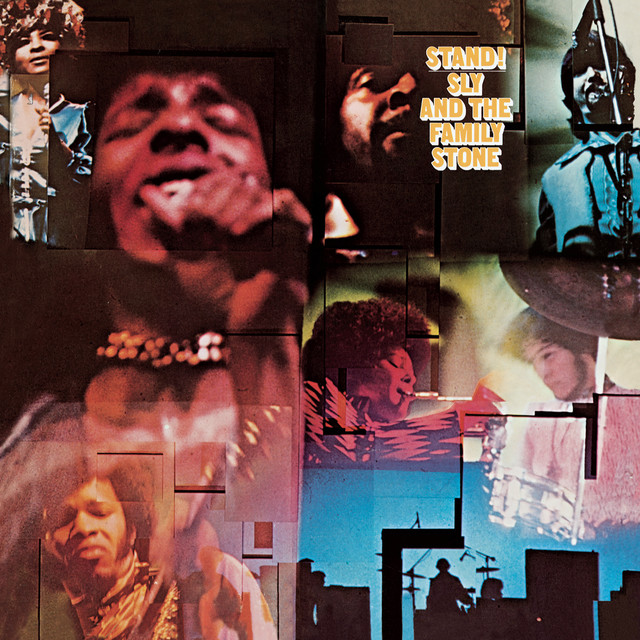
Stand!
Sly & The Family Stone
2009
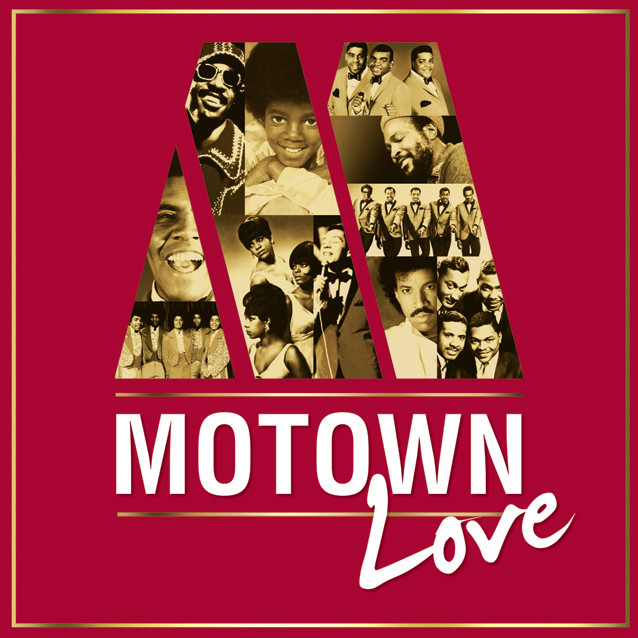
Motown Love
Mary Jane Girls
2023
OCHENTAS (80 Canciones Míticas)
The S.O.S Band
1984
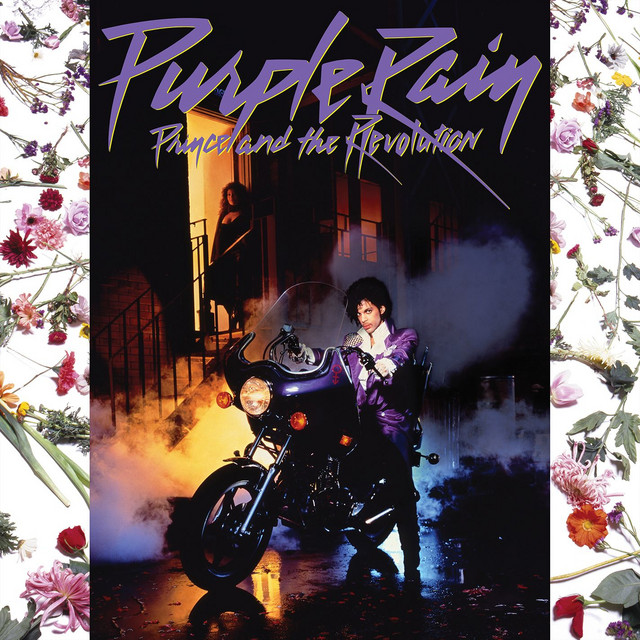
Purple Rain
Prince
1999
Top Gun - Motion Picture Soundtrack (Special Expanded Edition)
Cheap Trick
1985
Around the World in a Day
Prince and The Revolution
1988
Karyn White
Karyn White
Download our mobile app
Get the Melodigging app and start digging for new genres on the go
Download on the App Store
Get it on Google Play
© 2026 Melodigging
Give feedback
Legal
Melodding was created as a tribute to
Every Noise at Once
, which inspired us to help curious minds keep digging into music's ever-evolving genres.