Genres
Make Music
Artists
Albums
Challenges
Sign in
Sign in
Albums
By Jose Larralde
Albums
By Jose Larralde
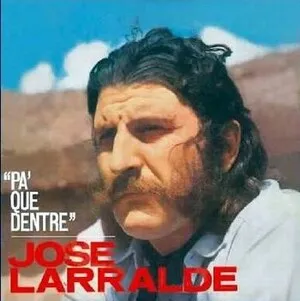
Pa' que dentre
July 15, 1969
Listen
2
/5
Genres
Nuevo Cancionero
Nuevo cancionero is an Argentine movement and genre of socially conscious song that emerged in the early 1960s with the aim of renewing national popular music while foregrounding poetry, regional rhythms, and the lived realities of ordinary people. It blended traditional folk forms with a modern, author-driven approach, centering the voice of the singer-poet as a vehicle for artistic and political expression. Musically, it draws on Argentine folk rhythms such as zamba, chacarera, cueca, milonga, and vidala, often arranged for voice and guitar with bombo legüero and other folk instruments. Lyrically, it embraces metaphor, imagery, and testimonial narratives that address social justice, identity, exile, and cultural memory. Its repertoire became emblematic of resistance during periods of censorship and dictatorship, and its songs have since become part of the canon of Latin American protest and art song.
Discover
Listen
Milonga
Milonga is a Río de la Plata song genre that took shape in the late 19th century among gaucho singers (payadores) in Argentina and Uruguay, with a parallel presence in Brazil’s southern state of Rio Grande do Sul. It is widely regarded as a direct precursor to tango. Characterized by a generally slow, loping rhythm in duple meter (2/4 or 4/4), milonga is most often performed with voice and a single criolla (nylon‑string) guitar using bass‑line “bordoneo,” light syncopation, and habanera‑like cells. Texts typically use décima (espinela) stanzas and reflect rural life, love, solitude, and the vastness of the pampas. Note: Here “milonga” refers to the song/folk style (often called milonga campera), not the later, faster urban dance form of tango known as “milonga.”
Discover
Listen
Argentine Music
Argentine music is an umbrella term for the diverse musical traditions that developed within Argentina, spanning urban and rural, European, African-diasporic, and Indigenous roots. It is best known worldwide for tango, but also encompasses a rich array of folk styles (zamba, chacarera, chamamé, milonga, payada), urban popular music (rock nacional, pop), and contemporary urban scenes (cumbia argentina, trap). Its sound reflects waves of immigration (notably Spanish and Italian), the legacy of African rhythms via candombe and habanera, and Indigenous Andean and Guaraní influences—absorbed into criollo idioms and later reinterpreted in orchestral, jazz, and rock contexts. This synthesis created a distinct “porteño” urban sensibility in Buenos Aires and equally strong regional identities in the Northwest, Cuyo, the Littoral (litoraleña), and Patagonia.
Discover
Listen
Similar albums
2009
Cantora 1
Mercedes Sosa
1971
Facundo Cabral
Facundo Cabral
1967
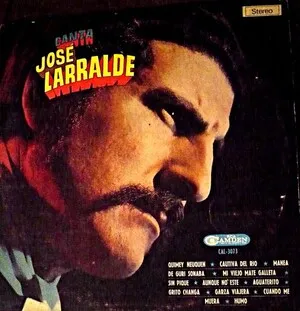
Canta José Larralde
José Larralde
1968
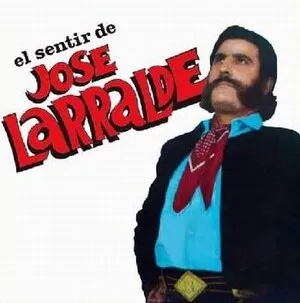
El sentir de José Larralde
José Larralde
2010
Mercedes Sosa interpreta a Atahualpa Yupanqui
Mercedes Sosa
2010
A que florezca mi pueblo
Mercedes Sosa
2010
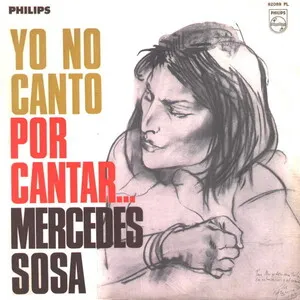
Yo no canto por cantar...
Mercedes Sosa
2009
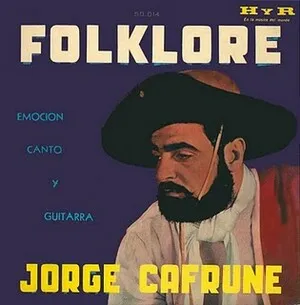
Folklore, emoción, canto y guitarra
Jorge Cafrune
1976
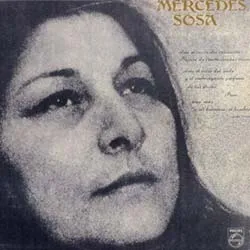
Mercedes Sosa
Mercedes Sosa
2023
Canciones con fundamento
Mercedes Sosa
Download our mobile app
Get the Melodigging app and start digging for new genres on the go
Download on the App Store
Get it on Google Play
© 2026 Melodigging
Give feedback
Legal
Melodding was created as a tribute to
Every Noise at Once
, which inspired us to help curious minds keep digging into music's ever-evolving genres.