Genres
Make Music
Artists
Albums
Challenges
Sign in
Sign in
Albums
By Facundo Cabral
Albums
By Facundo Cabral
Facundo Cabral
June 5, 1971
Listen
3
/5
Genres
Nuevo Cancionero
Nuevo cancionero is an Argentine movement and genre of socially conscious song that emerged in the early 1960s with the aim of renewing national popular music while foregrounding poetry, regional rhythms, and the lived realities of ordinary people. It blended traditional folk forms with a modern, author-driven approach, centering the voice of the singer-poet as a vehicle for artistic and political expression. Musically, it draws on Argentine folk rhythms such as zamba, chacarera, cueca, milonga, and vidala, often arranged for voice and guitar with bombo legüero and other folk instruments. Lyrically, it embraces metaphor, imagery, and testimonial narratives that address social justice, identity, exile, and cultural memory. Its repertoire became emblematic of resistance during periods of censorship and dictatorship, and its songs have since become part of the canon of Latin American protest and art song.
Discover
Listen
Nueva Canción Latinoamericana
Nueva canción latinoamericana is a socially engaged song movement that revitalized Latin American folk traditions to address contemporary political and cultural realities. It blends rural and indigenous folk rhythms with modern, singer‑songwriter poetry, using acoustic instruments such as guitar, charango, quena, and bombo legüero. Lyrics foreground social justice, anti‑imperialism, labor struggle, indigenous rights, and national identity, often delivered in clear, declamatory melodies that invite communal singing. The result is music that is both rooted in local traditions and explicitly modern in its political consciousness.
Discover
Listen
Nueva Canción
Nueva canción is a Latin American song movement that emerged in the 1960s, blending traditional folk forms with contemporary, socially engaged songwriting. It foregrounds poetic, politically conscious lyrics that address social justice, labor, indigenous rights, anti-imperialism, and everyday dignity. Musically, it draws on Andean and Southern Cone folk idioms—such as cueca, zamba, and chacarera—alongside pan-Latin ballad traditions. Typical instrumentation includes nylon-string guitar, charango, quena and zampoña (panpipes), bombo legüero, and rich vocal harmonies, often arranged for ensembles. The style’s melodic language favors modal inflections and singable, anthemic choruses designed for communal participation. While it became a continent-wide phenomenon, Chilean artists were especially pivotal in shaping its aesthetics and political ethos, with the movement later radiating into Argentina, Uruguay, and Spain.
Discover
Listen
Pop
Pop is a broad, hook-driven style of popular music designed for wide appeal. It emphasizes memorable melodies, concise song structures, polished vocals, and production intended for radio, charts, and mass media. While pop continually absorbs elements from other styles, its core remains singable choruses, accessible harmonies, and rhythmic clarity. Typical forms include verse–pre-chorus–chorus, frequent use of bridges and middle-eights, and ear-catching intros and outros. Pop is not defined by a single instrumentation. It flexibly incorporates acoustic and electric instruments, drum machines, synthesizers, and increasingly digital production techniques, always in service of the song and the hook.
Discover
Listen
Folk
Folk is a song-centered acoustic tradition rooted in community storytelling, everyday life, and social history. It emphasizes clear melodies, simple harmonies, and lyrics that foreground narrative, protest, and personal testimony. As a modern recorded genre, folk coalesced in the early-to-mid 20th century in the United States out of older ballad, work song, and rural dance traditions. It typically features acoustic instruments (guitar, banjo, fiddle, mandolin, harmonica), strophic song forms, and participatory singing (choruses, call-and-response).
Discover
Listen
Argentine Music
Argentine music is an umbrella term for the diverse musical traditions that developed within Argentina, spanning urban and rural, European, African-diasporic, and Indigenous roots. It is best known worldwide for tango, but also encompasses a rich array of folk styles (zamba, chacarera, chamamé, milonga, payada), urban popular music (rock nacional, pop), and contemporary urban scenes (cumbia argentina, trap). Its sound reflects waves of immigration (notably Spanish and Italian), the legacy of African rhythms via candombe and habanera, and Indigenous Andean and Guaraní influences—absorbed into criollo idioms and later reinterpreted in orchestral, jazz, and rock contexts. This synthesis created a distinct “porteño” urban sensibility in Buenos Aires and equally strong regional identities in the Northwest, Cuyo, the Littoral (litoraleña), and Patagonia.
Discover
Listen
Ballad
A ballad is a narrative song form that tells a story in simple, singable stanzas, traditionally using quatrains in ballad meter (alternating lines of iambic tetrameter and trimeter with an ABCB rhyme scheme). Ballads typically recount dramatic events—love, betrayal, tragedy, murder, the supernatural—or notable historical incidents. Early ballads were often sung unaccompanied or with minimal accompaniment, carried by memorable, modal melodies and refrains that aided oral transmission. Over time, the term also came to describe slow, sentimental popular songs in the 20th century, but the core of the genre remains the storytelling focus and strophic, easily learned structure. Ballads are central to the English- and Scots-language folk traditions, migrated to North America where they flourished in Appalachian singing, and continue to be performed, adapted, and reinterpreted in contemporary folk and roots scenes.
Discover
Listen
Similar albums
2010
Mercedes Sosa interpreta a Atahualpa Yupanqui
Mercedes Sosa
2010
A que florezca mi pueblo
Mercedes Sosa
1973
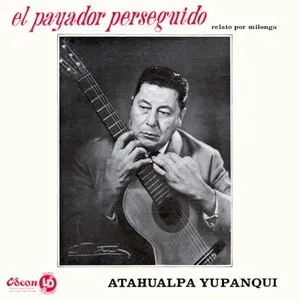
El payador perseguido - relato por milonga
Atahualpa Yupanqui
2017
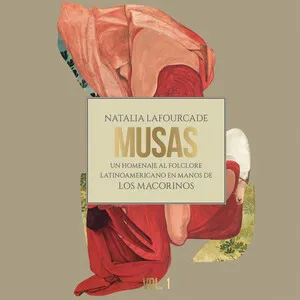
Musas Vol. 1
Natalia Lafourcade
1971
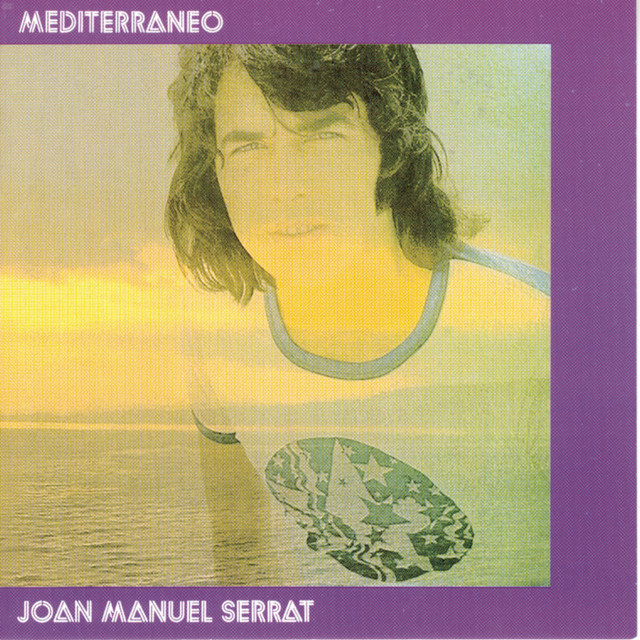
Mediterráneo
Joan Manuel Serrat
1994
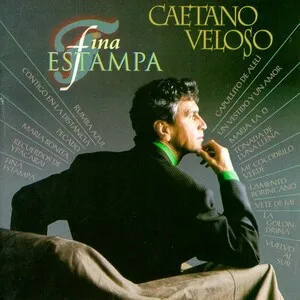
Fina estampa
Caetano Veloso
1972
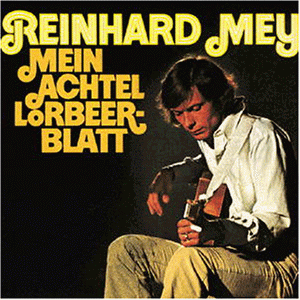
Mein achtel Lorbeerblatt
Reinhard Mey
1972
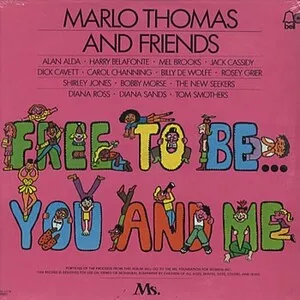
Free to Be ... You and Me
Marlo Thomas and Friends
2023
Canciones con fundamento
Mercedes Sosa
1974
Rito
Luis Eduardo Aute
Download our mobile app
Get the Melodigging app and start digging for new genres on the go
Download on the App Store
Get it on Google Play
© 2026 Melodigging
Give feedback
Legal
Melodding was created as a tribute to
Every Noise at Once
, which inspired us to help curious minds keep digging into music's ever-evolving genres.