Genres
Make Music
Artists
Albums
Challenges
Sign in
Sign in
Albums
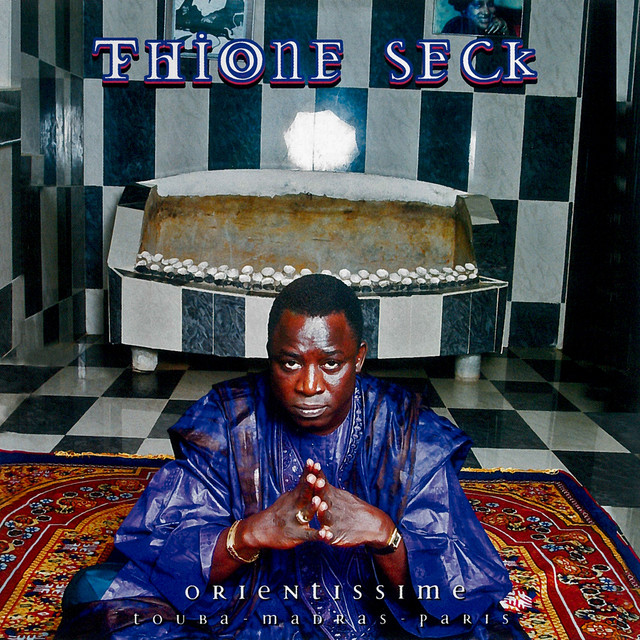
By Thione Seck
Albums
By Thione Seck
Orientissime
May 9, 2005
Listen
2
/5
Genres
Mbalax
Mbalax is the high‑energy urban dance music of Senegal (and the wider Senegambia region, including The Gambia and parts of Mauritania). It fuses indigenous Wolof/Serer vocal styles and polyrhythmic sabar drum ensembles with modern electric bands and pop song forms. Rooted in the Serer ritual tradition of njuup (noted for call‑and‑response vocals, praise singing, and driving hand‑drum cycles), mbalax was shaped in the post‑colonial, pan‑ethnic city culture that formed around Dakar. From the late 1970s onward, singers and bands adapted sabar’s interlocking rhythms to electric bass, guitar, keyboards, horns, and the tama (talking drum), while drawing on Cuban son and Congolese rumba/soukous as well as American soul, funk, R&B, and pop. The result is a dazzling, syncopated groove—athletic in its percussion, melismatic in its vocals, and celebratory on the dance floor—that became Senegal’s signature popular style and a major West African musical export.
Discover
Listen
Arabic Bellydance Music
Arabic bellydance music is a performance-oriented repertoire designed to accompany bellydance styles such as raqs sharqi, baladi, and saidi. It draws on the Arabic maqam modal system and iqa'at rhythmic cycles, creating music that highlights fluidity, ornamentation, and dynamic contrast to support a dancer's narrative. Typical instrumentation includes melodic voices like oud, qanun, ney, violin section (kemanat), and sometimes mizmar or arghul for folkloric color, supported by a percussion section centered on tabla/darbuka, riqq, dof/daff, and finger cymbals (sagat/ziyafat). Arrangements often alternate between free-rhythm taqsim (solo improvisations) and driving rhythmic sections in common dance grooves (maqsum, baladi, saidi, malfuf, masmudi). While rooted in Egyptian urban and cinematic traditions, the genre has expanded to include Turkish and Levantine flavors and, in modern productions, synthesizers, drum machines, and string pads. Its hallmark is a dramatic arc—entrance theme, melodic development, drum solo, folkloric vignette, and a rousing finale—crafted to mirror and elevate the dancer’s expression.
Discover
Listen
Wolof Music
Wolof music refers to the traditional and contemporary musical practices of the Wolof people of Senegal (and in parts of The Gambia and Mauritania). It centers on richly layered percussion, call-and-response vocals, praise-singing by hereditary griots (gewel), and dance-driven forms. Core timbres come from the sabar drum family (played with one stick and one hand), the tama (talking drum), and the xalam (a skin-stringed lute). Vocals often alternate between solo griot lines, antiphonal choruses, and spoken-sung poetic declamation (taasu), all delivered in Wolof language. Melodically, pieces gravitate around modal centers rather than extended harmonic progressions, while rhythmically they employ polyrhythms, off-beat accents, and dramatic breaks to cue dance and movement. In the late 20th century, these Wolof foundations powered the rise of mbalax, which fused sabar patterns with Afro-Cuban, pop, and jazz elements. Today, Wolof aesthetics remain audible across Senegalese popular styles and in global worldbeat collaborations.
Discover
Listen
Griot
Griot (also called jeli/jali) is the hereditary West African tradition of poet-singers, historians, and musicians whose craft combines storytelling, praise-singing, genealogy, diplomacy, and music. It is centered in the Mande world of today’s Mali, Senegal, Gambia, and Guinea, and is best known for virtuosic performances on the kora (21‑string harp-lute), balafon (xylophone), and ngoni (lute), alongside powerful, ornamented vocals. Griot music is structured around cyclical ostinatos with improvisatory flourishes, call-and-response, and text that preserves communal memory—epics, lineages, and moral instruction—delivered in languages such as Mandinka and Bambara. While deeply traditional, the griot aesthetic has adapted to modern stages and studios, influencing global “world music,” West African pop, and blues-derived styles.
Discover
Listen
Similar albums
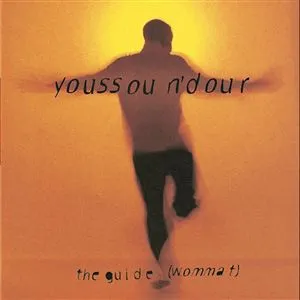
1994
The Guide (Wommat)
Youssou N'Dour
2010
Jamm
Cheikh Lô
2002
1 Giant Leap
1 Giant Leap
1990
Set
Youssou N'Dour
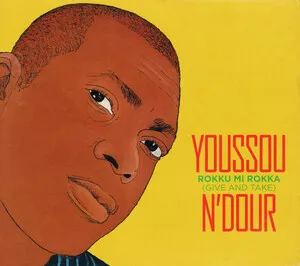
2007
Rokku Mi Rokka
Youssou N'Dour
2001
Missing You (Mi Yeewnii)
Baaba Maal
1988
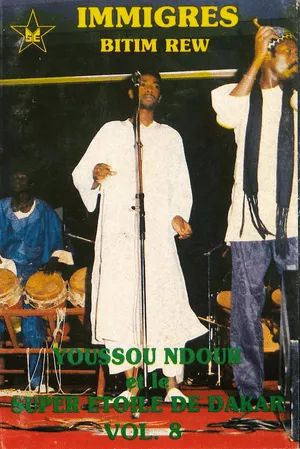
Vol. 8 : Immigrés / Bitim rew
Super Étoile de Dakar
2002
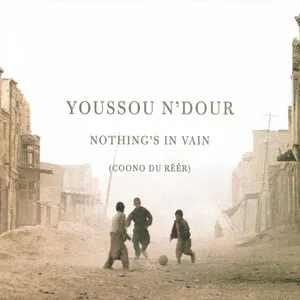
Nothing's in Vain (Coono du Réér)
Youssou N'Dour
2000
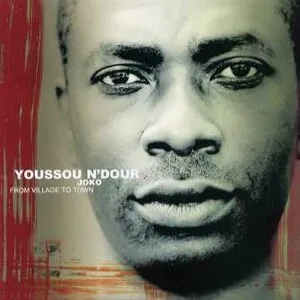
Joko From Village to Town
Youssou N'Dour
1998
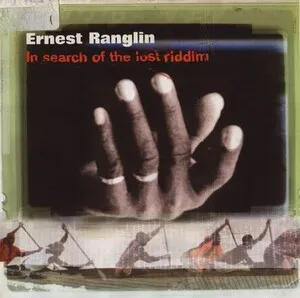
In Search of the Lost Riddim
Ernest Ranglin
Download our mobile app
Get the Melodigging app and start digging for new genres on the go
Download on the App Store
Get it on Google Play
© 2026 Melodigging
Give feedback
Legal
Melodding was created as a tribute to
Every Noise at Once
, which inspired us to help curious minds keep digging into music's ever-evolving genres.