Genres
Make Music
Artists
Albums
Challenges
Sign in
Sign in
Albums
By Odetta
Albums
By Odetta
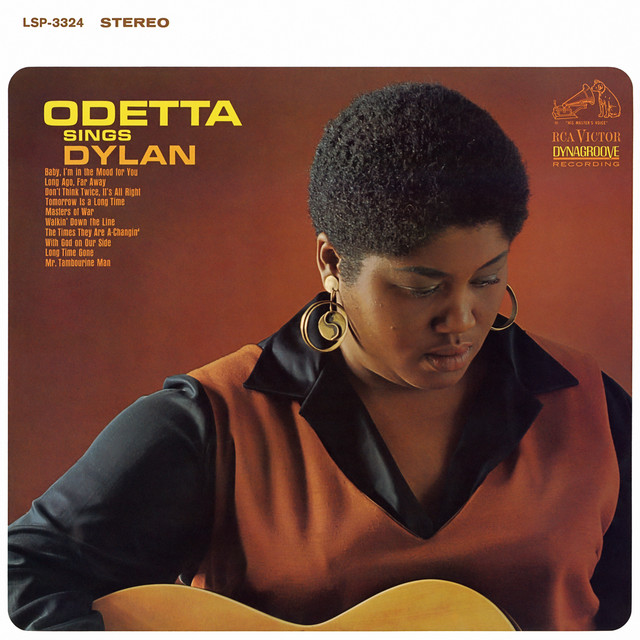
Odetta Sings Dylan
1965
Listen
2
/5
Genres
Greenwich Village Scene
The Greenwich Village scene refers to the acoustic folk- and blues-centered singer‑songwriter movement that coalesced in the coffeehouses, clubs, and streets of Greenwich Village in New York City during the late 1950s and especially the early to mid‑1960s. Rather than a single strict musical genre, it was a fertile urban hub where traditional American folk, country blues, and topical songwriting converged. Artists favored intimate, lyric‑driven songs performed with acoustic guitar, unadorned vocals, and occasional harmonica, emphasizing storytelling, social commentary, and a direct connection with audiences. The scene’s clubs—Gerde’s Folk City, the Gaslight Café, Café Wha?, and Café Au Go Go—nurtured emerging writers who transformed folk traditions into contemporary protest, confessional, and narrative songs, laying the groundwork for the modern singer‑songwriter and the rise of folk rock.
Discover
Listen
Folk
Folk is a song-centered acoustic tradition rooted in community storytelling, everyday life, and social history. It emphasizes clear melodies, simple harmonies, and lyrics that foreground narrative, protest, and personal testimony. As a modern recorded genre, folk coalesced in the early-to-mid 20th century in the United States out of older ballad, work song, and rural dance traditions. It typically features acoustic instruments (guitar, banjo, fiddle, mandolin, harmonica), strophic song forms, and participatory singing (choruses, call-and-response).
Discover
Listen
Spirituals
Spirituals are religious folk songs created by enslaved Africans and their descendants in the United States, blending West African musical practices with Protestant Christian hymnody. Sung primarily a cappella, they feature call-and-response, improvisation, rich timbral expression, and rhythmic drive supported by body percussion (clapping, stomping) and the ring shout. Texts draw on Biblical narratives—especially Exodus, captivity, deliverance, and redemption—while often carrying coded meanings about resistance, escape, and communal hope. Melodies frequently use pentatonic patterns, blue-leaning inflections, and flexible meter, while group performance encourages heterophony and spontaneous variation. Over time, spirituals moved from work fields and praise houses to concert stages through arranged choral traditions, profoundly shaping American music by influencing gospel, blues, jazz, soul, and the broader canon of U.S. folk and popular song.
Discover
Listen
Similar albums
1963
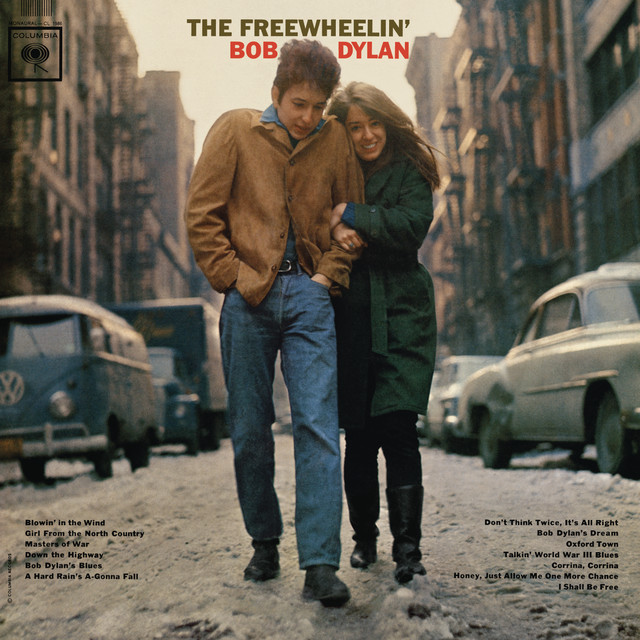
The Freewheelin' Bob Dylan
Bob Dylan
2000
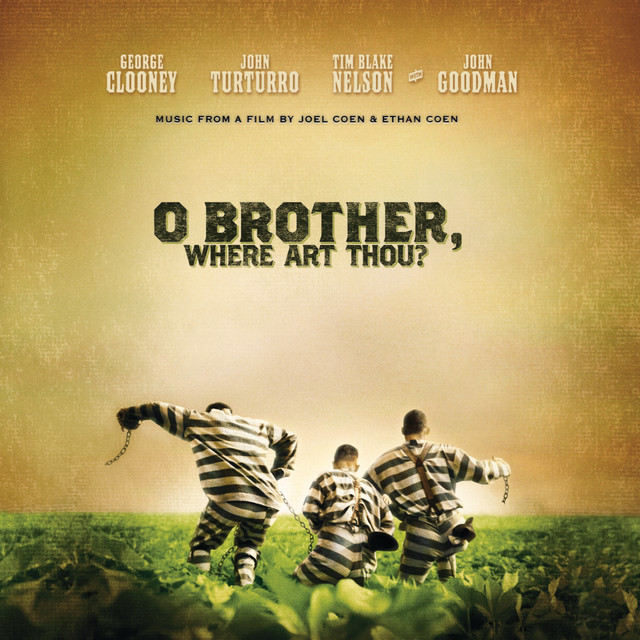
O Brother, Where Art Thou? (Original Motion Picture Soundtrack)
The Cox Family
1964
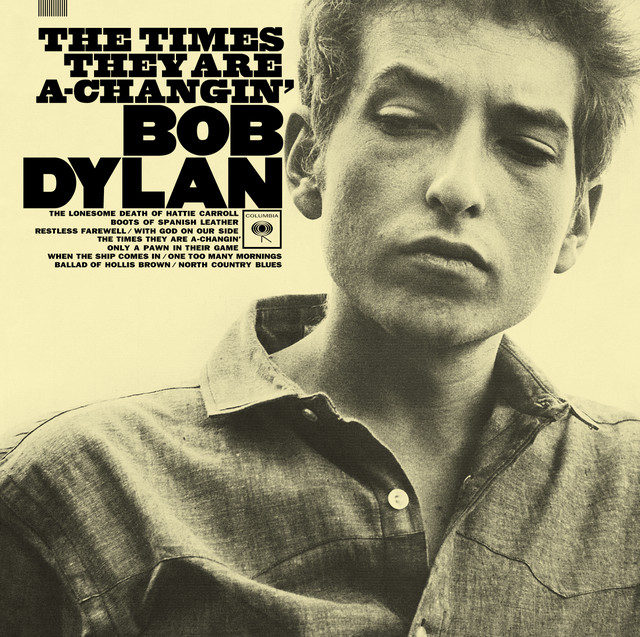
The Times They Are A-Changin'
Bob Dylan
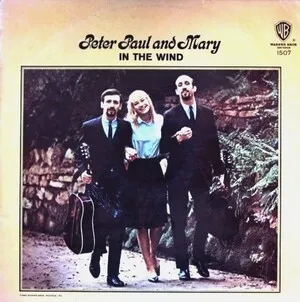
1963
In the Wind
Peter, Paul and Mary
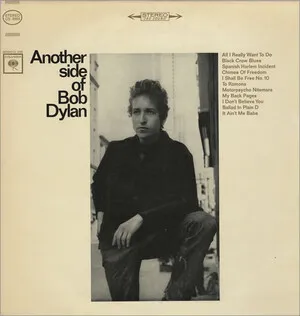
1964
Another Side of Bob Dylan
Bob Dylan
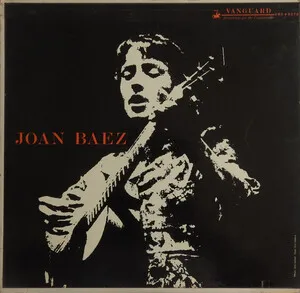
1960
Joan Baez
Joan Baez
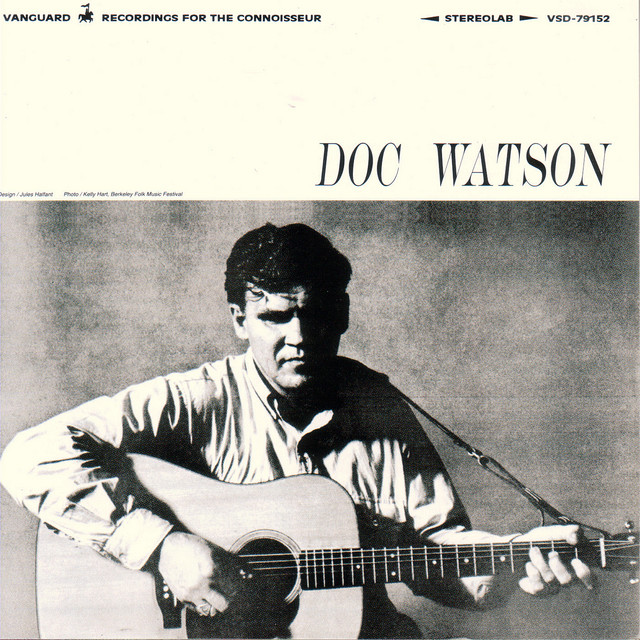
1964
Doc Watson
Doc Watson
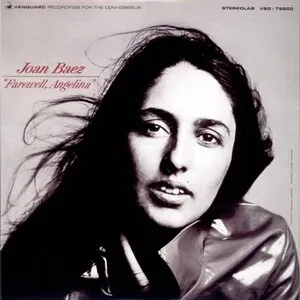
1965
Farewell, Angelina
Joan Baez
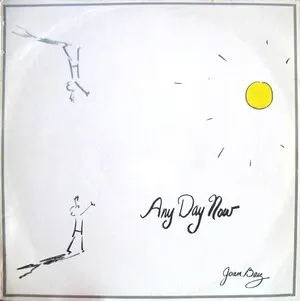
1968
Any Day Now: Songs of Bob Dylan
Joan Baez
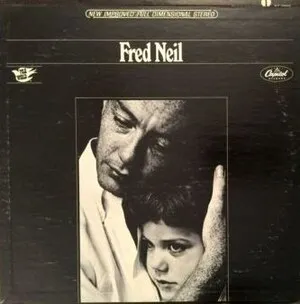
1966
Fred Neil
Fred Neil
Download our mobile app
Get the Melodigging app and start digging for new genres on the go
Download on the App Store
Get it on Google Play
© 2026 Melodigging
Give feedback
Legal
Melodding was created as a tribute to
Every Noise at Once
, which inspired us to help curious minds keep digging into music's ever-evolving genres.