Genres
Artists
Albums
Make Music
Sign in
Sign in
Albums
By Vis-A-Vis
Albums
By Vis-A-Vis
Obi Agye Me Dofo
1977
Listen
Genres
Afrobeat
Afrobeat is a horn-driven, polyrhythmic, and politically charged style that emerged in Nigeria, spearheaded by bandleader Fela Kuti and drummer Tony Allen. It fuses West African highlife and juju with American funk, jazz, and soul to create extended, hypnotic grooves. Typical tracks revolve around interlocking guitar and keyboard ostinatos, elastic bass vamps, dense percussion (shekere, congas, agogô, cowbell), and tightly arranged horn riffs that punctuate the beat. Vocals often use call-and-response and socially conscious lyrics, delivered in English, Nigerian Pidgin, or Yoruba. Harmonically sparse but rhythmically intricate, Afrobeat prioritizes feel: long, evolving arrangements, richly syncopated drum patterns, and sectional dynamics that spotlight solos and collective interplay.
Discover
Listen
Funk
Funk is a rhythm-forward African American popular music style that centers on groove, syncopation, and interlocking parts. Rather than emphasizing complex chord progressions, funk builds tight, repetitive vamps that highlight the rhythm section and create an irresistible dance feel. The genre is marked by syncopated drum patterns, melodic yet percussive bass lines, choppy guitar "chanks," punchy horn stabs, call‑and‑response vocals, and a strong backbeat. Funk’s stripped-down harmony, prominent use of the one (accenting the downbeat), and polyrhythmic layering draw deeply from soul, rhythm and blues, jazz, gospel, and African rhythmic traditions. From James Brown’s late-1960s innovations through the expansive P-Funk universe and the slicker sounds of the 1970s and 1980s, funk has continually evolved while seeding countless other genres, from disco and hip hop to house and modern R&B.
Discover
Listen
Highlife
Highlife is a popular music genre from Ghana that blends indigenous rhythmic cycles and song forms with Western instrumentation and harmonies. It is instantly recognizable by its bright, interlocking guitar lines (often played with a two‑finger plucking technique), buoyant polyrhythms, call‑and‑response vocals, and jazzy horn riffs. Early dance‑band highlife favored brass and woodwinds (trumpet, saxophone, trombone) and big‑band arrangements, while guitar‑band highlife drew from palm‑wine guitar styles with lighter, lilted grooves. Across its variants, the music typically sits in major or mixolydian tonalities and uses dominant 7th/9th chord colors. From its coastal roots in the late 19th and early 20th centuries to post‑independence urban dance halls, highlife has continually evolved, later embracing electric guitars, synthesizers, and drum machines—yielding contemporary uptempo, synth‑driven forms that still retain the genre’s danceable feel.
Discover
Listen
Similar albums
Hide discovered
2017
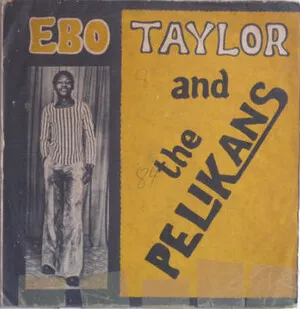
Ebo Taylor & The Pelikans
Ebo Taylor & The Pelikans
2017
Over
R2Bees
1975
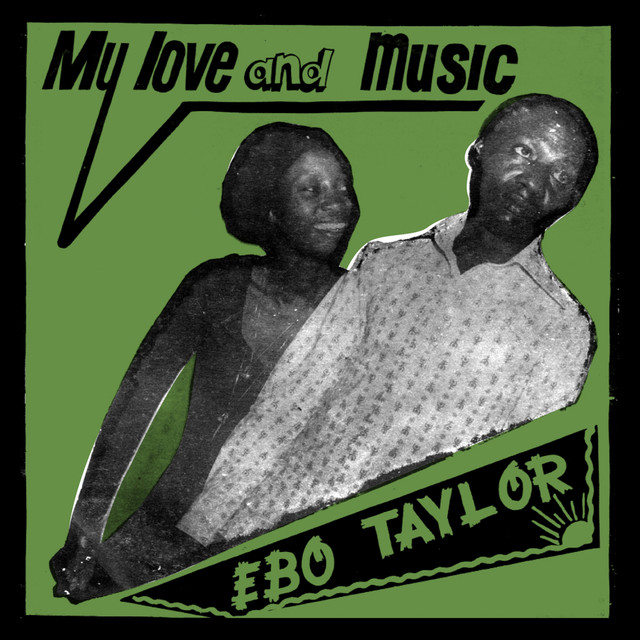
My Love and Music
Ebo Taylor
2018
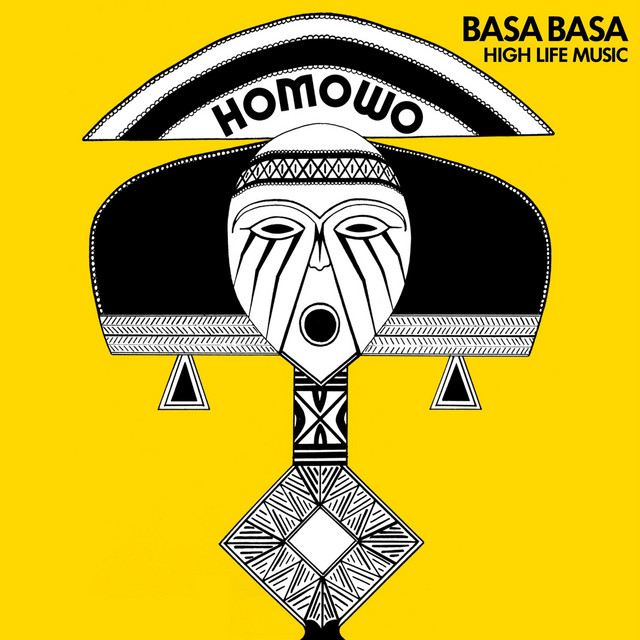
Homowo: High Life Music
Basa Basa
2019
Nigeria 70: No Wahala: Highlife, Afro-Funk & Juju 1973-1987
Odeyemi
2018
African Scream Contest 2 (Analog Africa No. 26)
Les Sympathics de Porto Novo
2011
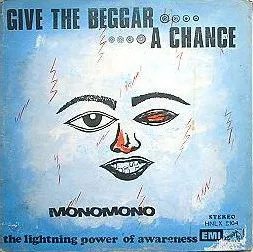
Give the Beggar a Chance: The Lightning Power of Awareness
Monomono
2015
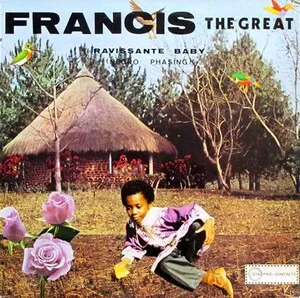
Ravissante Baby (Negro Phasing)
Francis the Great
2013
Introducing Hedzoleh Soundz
Hugh Masekela
2021
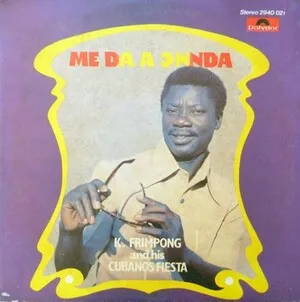
Me Da A Ɔnnda
K. Frimpong & His Cubano Fiestas
Download our mobile app
Get the Melodigging app and start digging for new genres on the go
Download on the App Store
Get it on Google Play
© 2026 Melodigging
Give feedback
Legal
Melodding was created as a tribute to
Every Noise at Once
, which inspired us to help curious minds keep digging into music's ever-evolving genres.