Genres
Make Music
Artists
Albums
Challenges
Sign in
Sign in
Albums
By Johnny Cash
Albums
By Johnny Cash
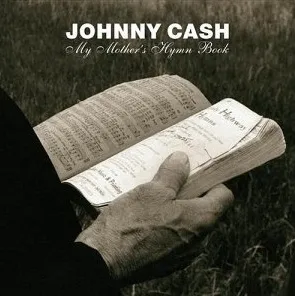
My Mother's Hymn Book
2004
Listen
3
/5
Genres
Folk Rock
Folk rock is a fusion genre that blends the narrative lyricism, modal melodies, and acoustic timbres of traditional folk with the backbeat, amplification, and song structures of rock. It typically pairs acoustic or traditional instruments (acoustic guitar, mandolin, fiddle) with a rock rhythm section (electric guitar, bass, drums), often featuring chiming 12‑string guitar textures, close vocal harmonies, and socially conscious or storytelling lyrics. The result ranges from intimate, reflective ballads with a steady backbeat to more anthemic, roots‑driven rock. Emerging in the mid‑1960s through artists such as Bob Dylan and The Byrds, folk rock became a gateway for traditional and roots materials to enter mainstream popular music, and it seeded later movements from country rock and Americana to jangle pop and modern indie folk.
Discover
Listen
Rock
Rock is a broad family of popular music centered on amplified instruments, a strong backbeat, and song forms that foreground riffs, choruses, and anthemic hooks. Emerging from mid‑20th‑century American styles like rhythm & blues, country, and gospel-inflected rock and roll, rock quickly expanded in scope—absorbing folk, blues, and psychedelic ideas—while shaping global youth culture. Core sonic markers include electric guitar (often overdriven), electric bass, drum kit emphasizing beats 2 and 4, and emotive lead vocals. Rock songs commonly use verse–chorus structures, blues-derived harmony, and memorable melodic motifs, ranging from intimate ballads to high‑energy, stadium‑sized performances.
Discover
Listen
Country Gospel
Country gospel is a devotional branch of country music that weds rural American songcraft to Christian message and testimony. It features acoustic-forward instrumentation (guitars, fiddle, banjo, mandolin, piano, pedal steel), plainspoken storytelling, and close vocal harmony drawn from shape-note singing and church quartets. Songs typically use simple, singable melodies and diatonic progressions in verse–chorus forms, emphasizing themes of salvation, hardship, hope, gratitude, and moral reflection. Popularized on early radio and barn-dance programs, it has remained a staple of country repertoire—from family groups and harmony duos to solo artists who intersperse sacred material within country albums and concerts.
Discover
Listen
Traditional Country
Traditional country is a roots-oriented branch of country music that preserves the acoustic timbres, plainspoken storytelling, and danceable rhythms of early "hillbilly" and honky-tonk styles. It favors fiddles, acoustic and steel guitars, upright bass, and modest percussion, with melodies and harmonies grounded in Anglo-American folk, gospel, and blues. Songs typically revolve around everyday life—love, heartbreak, faith, work, and small-town or rural experience—delivered with an unadorned, emotive vocal style. As a practice and ethos, traditional country resists pop sheen and elaborate production, emphasizing live ensemble interplay, two-step and waltz feels, and concise verse–chorus forms. Its sound is closely associated with the Grand Ole Opry era, barn-dance radio, and mid‑century jukebox honky-tonks.
Discover
Listen
Country
Country is a roots-based popular music from the rural American South that blends Anglo-Celtic ballad traditions with African American blues, gospel, and string-band dance music. It is characterized by narrative songwriting, plainspoken vocals with regional twang, and a palette of acoustic and electric instruments such as acoustic guitar, fiddle, banjo, pedal steel, and telecaster guitar. Rhythmically it favors two-step feels, train beats, shuffles, and waltzes, while harmony is largely diatonic (I–IV–V) with occasional country chromaticism and secondary dominants. Across a century, country has evolved through substyles like honky-tonk, the Nashville and Bakersfield sounds, outlaw country, neotraditionalist revivals, pop-country, and country-rap hybrids, but it consistently prioritizes storytelling about everyday life, love, work, faith, place, and identity.
Discover
Listen
Gospel
Gospel is a vocal-centered Christian genre whose lyrics explicitly express faith, salvation, hope, and communal testimony. Performances emphasize expressive lead vocals, choirs, call-and-response, and congregational participation, often supported by piano/organ, handclaps, and a rhythm section. While the modern form coalesced in the early 20th century through urban church music and the work of composer–leaders such as Thomas A. Dorsey, its roots trace back to earlier Christian hymnody and African American sacred traditions. Across cultures and denominations, gospel functions in worship, evangelism, community celebration, and—by the late 20th century—in commercial recordings and concerts. Stylistically, gospel spans traditional quartet and choir styles, “gospel blues,” and contemporary fusions with R&B, soul, pop, and hip hop. What unites these strands are dominant vocals, testimonial lyrics grounded in Scripture and lived experience, and a performance practice designed to move both spirit and body.
Discover
Listen
Hymns
Hymns are strophic, text-driven songs of praise, devotion, or instruction intended for congregational or communal singing, most closely associated with Christian worship. They typically use clear, memorable melodies, regular poetic meters, and straightforward harmonies so that large groups can sing together with ease. While the concept of a hymn as a sacred song predates Christianity (e.g., in Ancient Greek and Jewish traditions), Christian hymnody coalesced late in the 4th century with Ambrosian practice in Milan and then expanded through Latin and Greek liturgical cultures. Over time, hymn singing moved from monastic and cathedral settings into congregational life, especially after the Protestant Reformation, where metrical psalms and vernacular hymns became a defining feature of worship. Modern hymnody ranges from chant-like, modal melodies without accompaniment to robust, four-part chorale harmonizations with organ, and even contemporary arrangements that adapt classic hymn texts and tunes to newer popular styles.
Discover
Listen
Similar albums
1971
Yesterday's Wine
Willie Nelson
1976
The Troublemaker
Willie Nelson
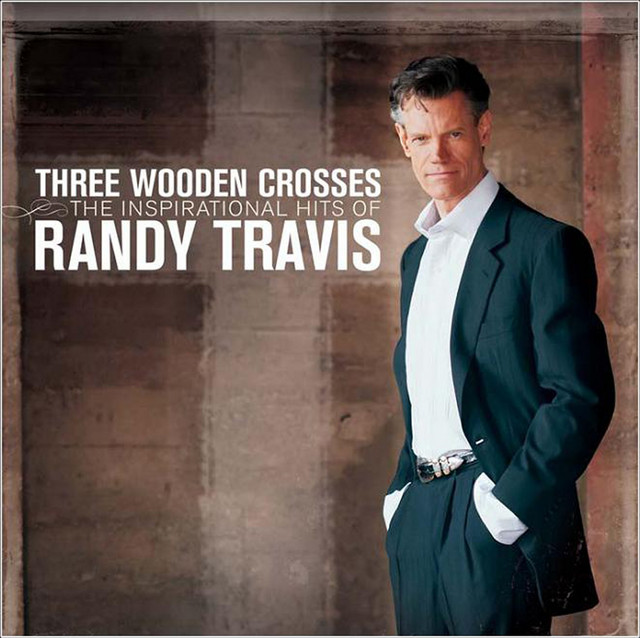
2009
Three Wooden Crosses: The Inspirational Hits of Randy Travis
Randy Travis
1987
Angel Band
Emmylou Harris
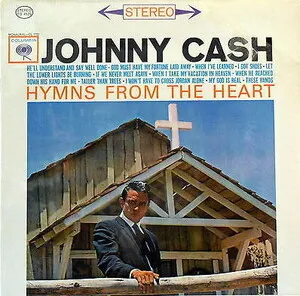
1962
Hymns From the Heart
Johnny Cash
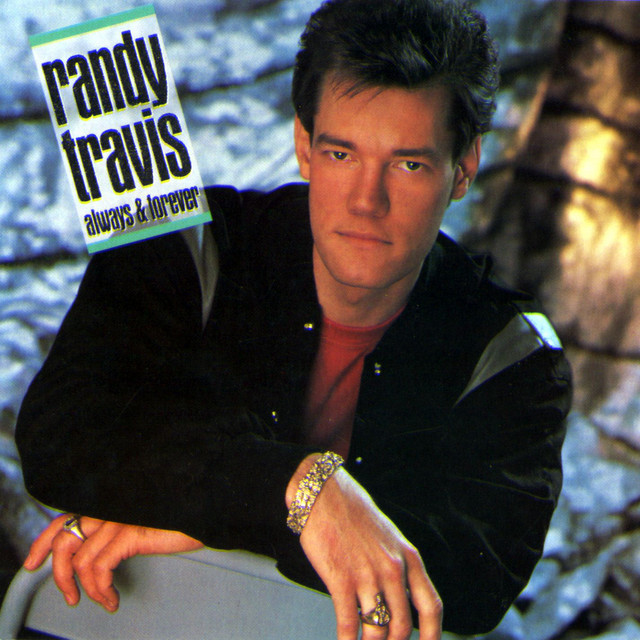
1987
Always & Forever
Randy Travis
1986
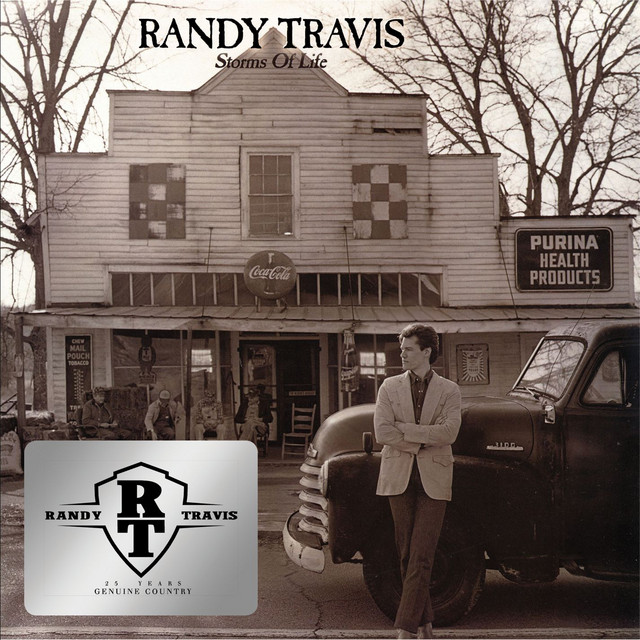
Storms of Life
Randy Travis
1996
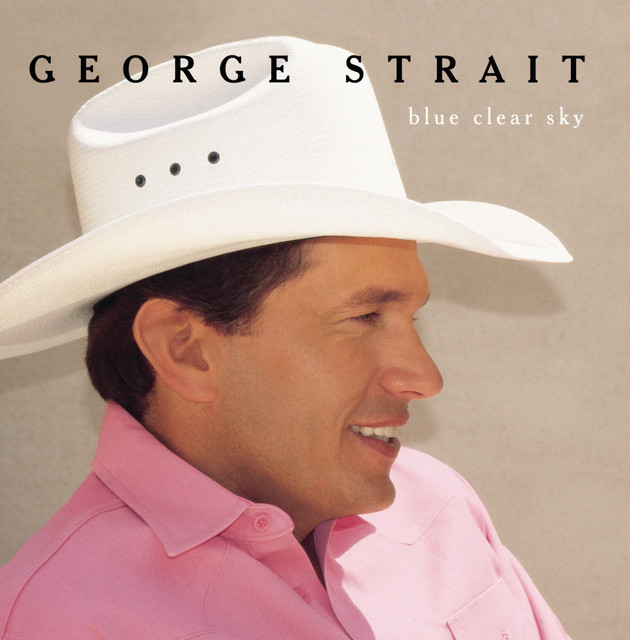
Blue Clear Sky
George Strait
2002
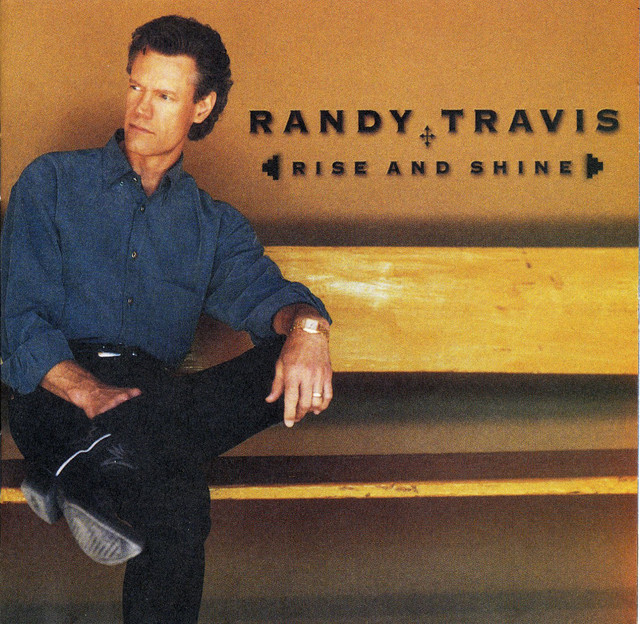
Rise and Shine
Randy Travis
2003
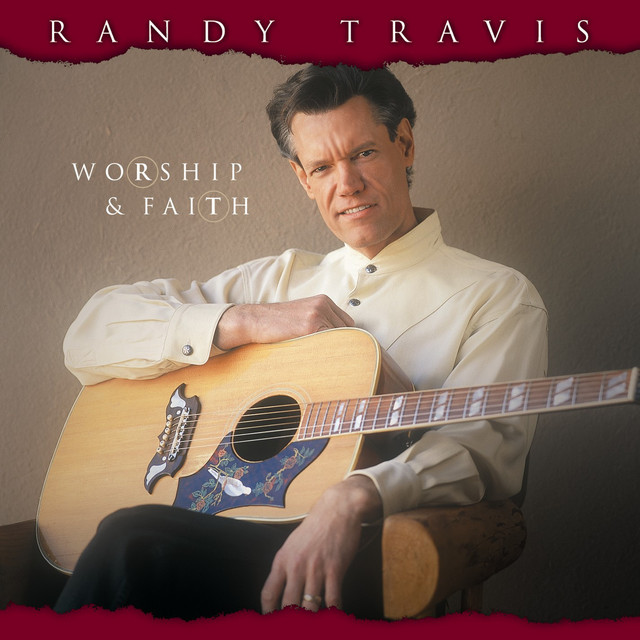
Worship & Faith
Randy Travis
Download our mobile app
Get the Melodigging app and start digging for new genres on the go
Download on the App Store
Get it on Google Play
© 2026 Melodigging
Give feedback
Legal
Melodding was created as a tribute to
Every Noise at Once
, which inspired us to help curious minds keep digging into music's ever-evolving genres.