Genres
Make Music
Artists
Albums
Challenges
Sign in
Sign in
Albums
By Unicorn Ensemble
Albums
By Unicorn Ensemble
Music of the Troubadours
February 19, 1999
Listen
1
/5
Genres
Medieval Lyric Poetry
Medieval lyric poetry refers to the monophonic, poet-composer song traditions that flourished in medieval Europe, especially from the 12th to the 14th centuries. It centers on refined, metrically crafted texts set to memorable modal melodies and performed by court poets, minstrels, or itinerant singer-poets. The genre is best known through the Occitan troubadours and northern French trouvères, but related traditions also thrived among the German Minnesänger and the Galician‑Portuguese cantigueiros. Typical themes include courtly love (fin'amor), longing and absence, moral or political commentary (sirventes), crusade songs, and nature imagery, articulated through strict stanzaic forms, elaborate rhyme schemes, and refrains. Performance was usually solo voice accompanied by medieval instruments (vielle, harp, lute, psaltery, flutes), with a predominantly syllabic text setting, modal pitch organization (e.g., Dorian, Mixolydian), and strophic repetition that highlighted poetic craft.
Discover
Listen
Medieval Classical Music
Medieval classical music refers to the body of sacred and secular art music created in Europe from roughly the 5th to the late 15th centuries. It encompasses the Christian chant traditions of the early Middle Ages, the emergence of notated polyphony in the High Middle Ages, and the rhythmically and formally sophisticated Ars Nova of the 14th century. At its core are modal melodies (church modes), primarily vocal textures, and a gradual evolution from monophony (single melodic line) to increasingly complex polyphony. Notation develops from adiastematic neumes to staff-based pitch notation and, later, mensural systems that codify rhythm. Characteristic sonorities emphasize perfect consonances (octaves, fifths, and fourths), with triadic harmony only beginning to coalesce near the end of the period. Though rooted in the liturgy (Mass, Office, and Latin song), the era also nurtured rich vernacular traditions—troubadours, trouvères, Minnesänger—and instrumental practices on harp, vielle, recorder, lute, and organ. The period laid the foundational techniques, theories, and repertories that define the entire subsequent Western classical tradition.
Discover
Listen
Similar albums
2009
Cantigas de Santa Maria: Strela do dia
Alfonso X "El Sabio"
2010
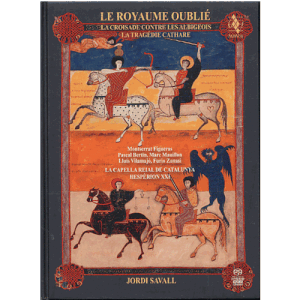
Le royaume oublié : la croisade contre les Albigeois - la tragédie cathare
Beatritz de Diá
2009
Troubadours
[anonymous] / Clemencic Consort / René Clemencic
1995
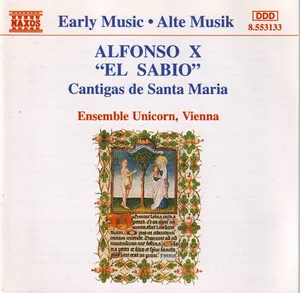
Cantigas de Santa Maria
Alfonso X "El Sabio" / Ensemble Unicorn
2006
Le chant des Templiers
Ensemble Organum / Marcel Pérès
1994
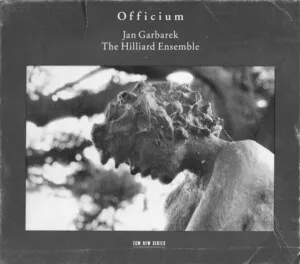
Officium
Cristóbal de Morales, Jan Garbarek & The Hilliard Ensemble
2016
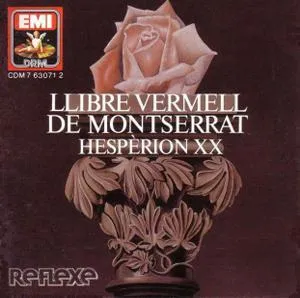
Llibre vermell de Montserrat
[anonymous] / Hespèrion XX
1994
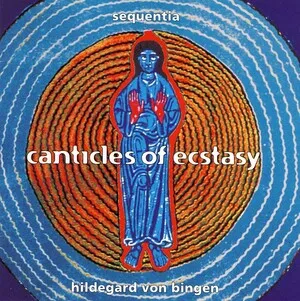
Canticles of Ecstasy
Hildegard von Bingen / Sequentia
1997
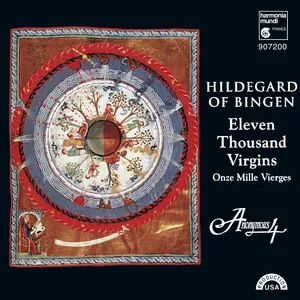
11,000 Virgins: Chants for the Feast of St. Ursula
Hildegard von Bingen / Anonymous 4
1997
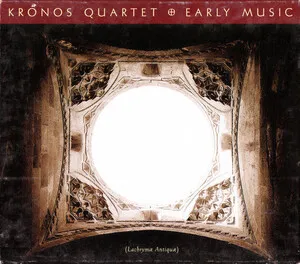
Early Music (Lachrymæ antiquæ)
Christopher Tye / Kronos Quartet
Download our mobile app
Get the Melodigging app and start digging for new genres on the go
Download on the App Store
Get it on Google Play
© 2026 Melodigging
Give feedback
Legal
Melodding was created as a tribute to
Every Noise at Once
, which inspired us to help curious minds keep digging into music's ever-evolving genres.