Genres
Make Music
Artists
Albums
Challenges
Sign in
Sign in
Albums
By The Badakhshan Ensemble
Albums
By The Badakhshan Ensemble
Music of Central Asia Vol. 5: Song and Dance From the Pamir Mountains
September 25, 2007
Listen
1
/5
Genres
Pamiri Music
Pamiri music refers to the traditional and devotional musical practices of the Pamir highlands, especially the Badakhshan region of eastern Tajikistan (and adjacent areas of Afghan Badakhshan). It is rooted in the languages and poetics of Pamiri peoples (e.g., Shughni, Wakhi, Rushani, Bartangi) and often carries strong spiritual and philosophical themes drawn from Ismaili traditions and classical Persianate literature. The sound world blends ringing lutes (rubab, setar/sitor, dutar, tanbur), bowed timbres (ghijak), breathy flutes (nay), and hand percussion (daf/doyra) with highly ornamented, melismatic vocals. Modal thinking is central, drawing on Persian/Tajik maqam/dastgah sensibilities and the broader Central Asian shashmaqam sphere. Devotional genres such as madâh (praise songs) feature call‑and‑response textures, drones, and trance‑like rhythmic cycles, while secular songs invoke mountain life, love, and nature in flexible meters that can include asymmetrical patterns. In contemporary contexts, Pamiri music also intersects with Tajik popular and film music, world-fusion stages, and diasporic reinterpretations, yet it retains its distinct highland vocal style, modal colors, and intimate ensemble ethos.
Discover
Listen
Central Asian Folk
Central Asian folk is a broad family of traditional musics from the steppes and oases of modern Uzbekistan, Kazakhstan, Kyrgyzstan, Tajikistan, Turkmenistan, and the Uyghur region. It blends nomadic bardic traditions with urban courtly repertoires that developed along Silk Road trade routes. Characteristic timbres come from long‑necked lutes (dutar, tanbur, dombra), bowed spike fiddles (ghijak/kamancha), jaw harps (temir komuz), frame drums (doira/dap) and end‑blown flutes (surnai/nay). Melodies are highly ornamented and often modal (maqam/muqam), while steppe styles favor pentatonic and heptatonic pitch collections and drone‑based textures. Rhythms can be fluid and rubato in epic recitation, or dance‑like with asymmetric meters (5/8, 7/8, 10/8) in festive music. Forms range from extended suites (Shashmaqam, Muqam) to instrumental tone‑poems (Kazakh kui), devotional songs (zikr‑related repertoires), and vast oral epics like the Kyrgyz Manas. Performance practice emphasizes heterophony, call‑and‑response, melisma, and storytelling.
Discover
Listen
Similar albums
2023
Yeski Taspa (2 Season)
ARShAT, Various Artists, Mona Songz, Various Artists, Zengir, ACE, ALEM, Doseke…
2022
Nigar Jan Ashiq Zarat
Mehri Maftun
2006
Music of Central Asia Vol. 1: Mountain Music of Kyrgyzstan
Tengir-Too
2022
Gul E Anar
Mir Maftoon
2002
Made In Kazakhstan
Urker
2022
Gul Bahar
Mir Maftoon
2007
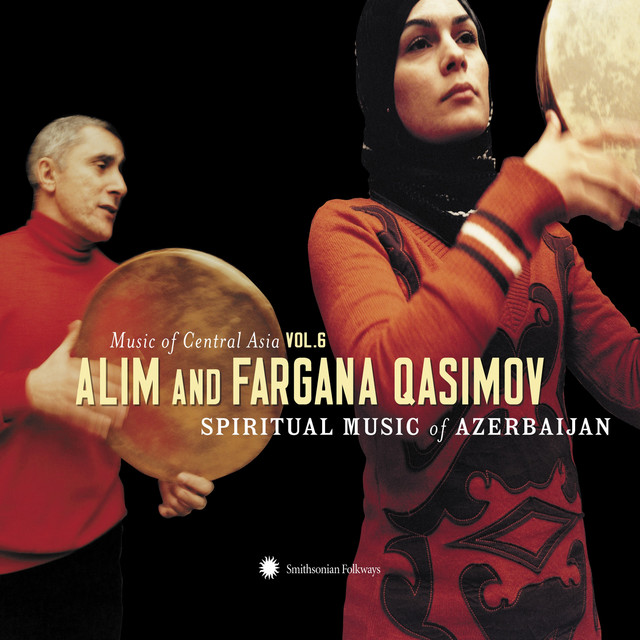
Music of Central Asia Vol. 6: Spiritual Music of Azerbaijan
Alim Qasimov & Fargana Qasimova
2005
Music From Afghan Badakhshan
Mehri Maftun
2006
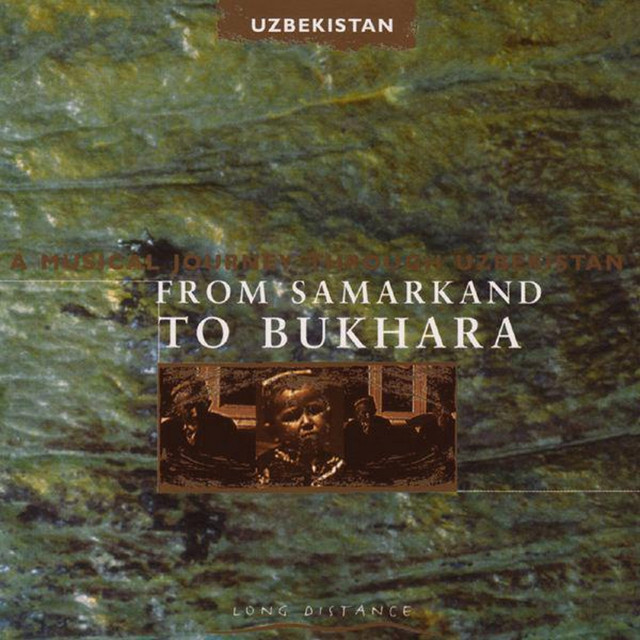
From Samarkand to Bukhara: A Musical Journey Through Uzbekistan
Turgun Alimatov
2013
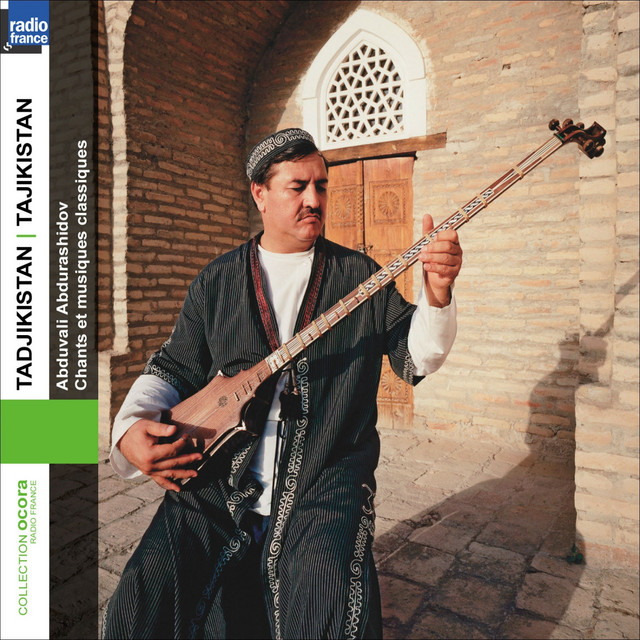
Tadjikistan : Chants et musiques classiques
Abduvali Abdurashidov
Download our mobile app
Get the Melodigging app and start digging for new genres on the go
Download on the App Store
Get it on Google Play
© 2026 Melodigging
Give feedback
Legal
Melodding was created as a tribute to
Every Noise at Once
, which inspired us to help curious minds keep digging into music's ever-evolving genres.